Era By Era Home

Category

Culture

32 articles


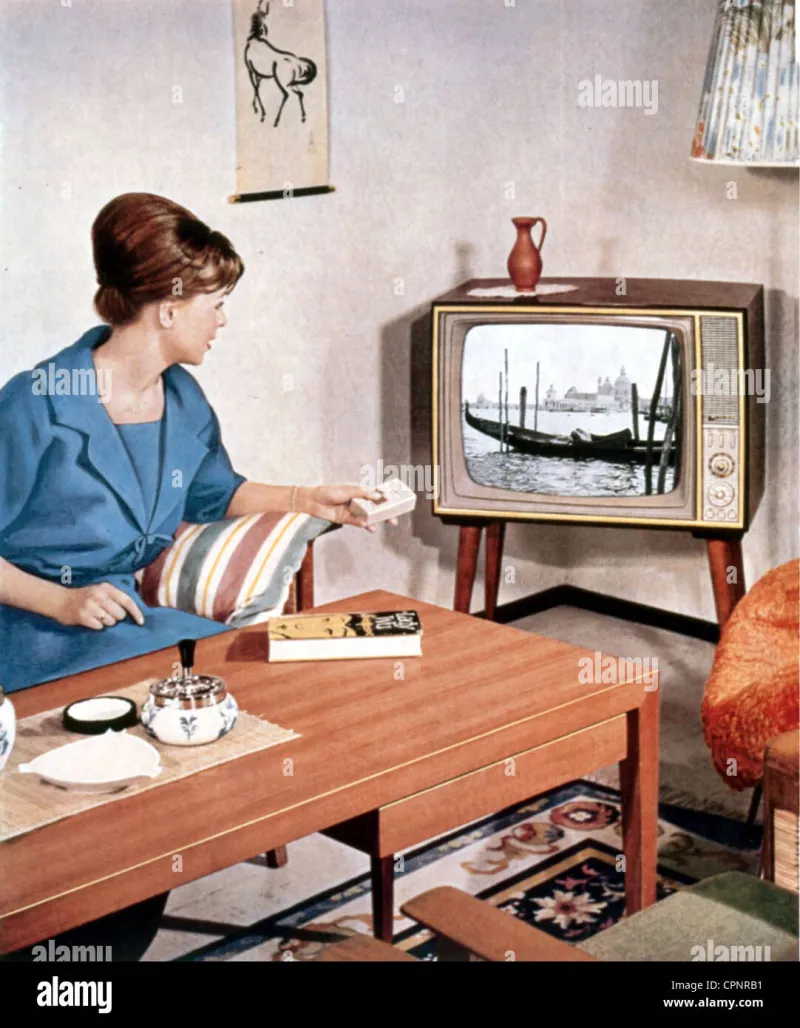
Staring at the Ceiling Was Good for You: The Quiet Gift of Having Nothing to Do

Staring at the Ceiling Was Good for You: The Quiet Gift of Having Nothing to Do

Before smartphones turned every idle moment into a scroll session, waiting rooms were where Americans accidentally did some of their best thinking. The stack of dog-eared magazines on a plastic chair wasn't just filler — it was a built-in pause that modern life has quietly erased. Here's what we gave up when we decided boredom was a problem that needed solving.

The Farmer Had a Name and You Knew It: How America's Food Lost Its Human Face

The Farmer Had a Name and You Knew It: How America's Food Lost Its Human Face

For most of American history, families knew exactly who grew their food — sometimes for generations. Today, the average meal travels 1,500 miles before it reaches your plate, and the person who produced it is entirely invisible. That's a bigger change than most people realize, and it happened faster than anyone expected.

He Rang the Doorbell With a Toolbox: The Repairman Who Kept America Running

He Rang the Doorbell With a Toolbox: The Repairman Who Kept America Running

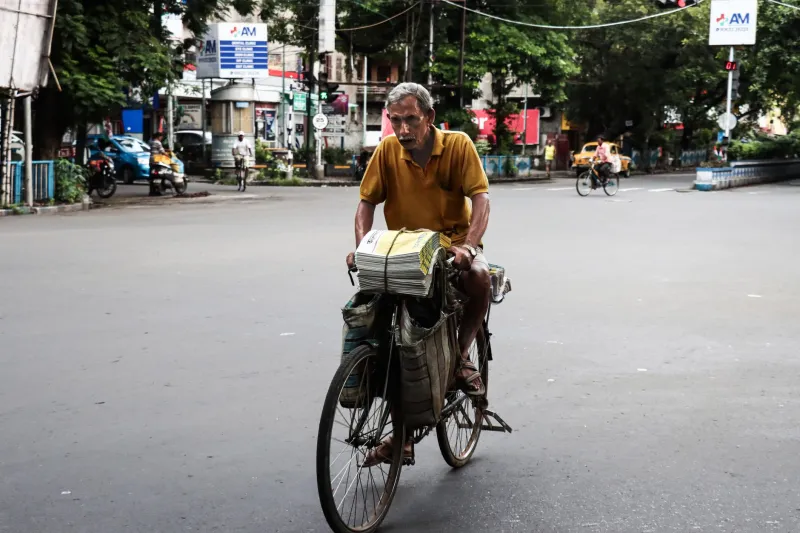
For decades, a knock at the door meant your broken appliance was about to get a second life — not a replacement. America once had an entire economy built around fixing things in your living room, and the skilled tradespeople who ran it knew your neighborhood better than any algorithm ever could. Then cheap manufacturing arrived, and they quietly disappeared.
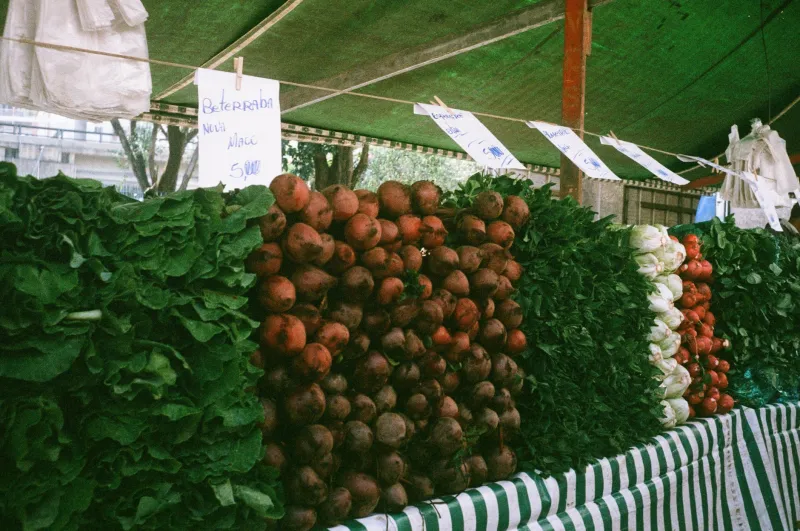
The Thursday Butcher and the 4 a.m. Baker: When Small-Town America Fed Itself

The Thursday Butcher and the 4 a.m. Baker: When Small-Town America Fed Itself

Before refrigerated trucks and regional grocery chains rewired the American food supply, small towns fed themselves through a tight web of local producers — the dairy farm two miles out, the butcher who worked by the calendar, the baker whose bread was gone by 8 a.m. This article traces how that hyper-local food economy vanished and asks what we actually gave up when 'fresh' became a marketing term instead of a fact.

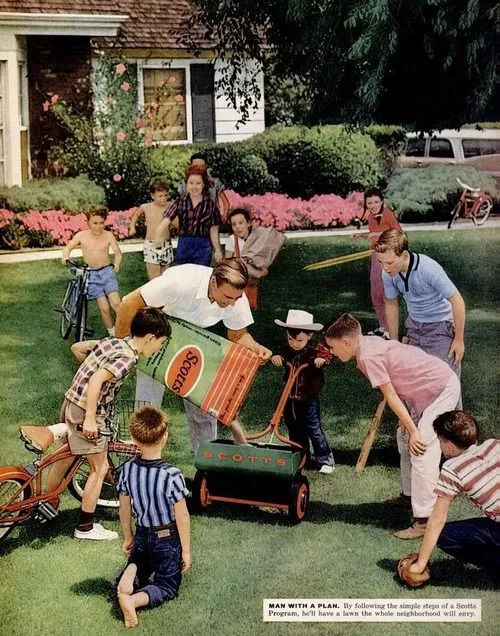
Backyards Used to Buzz With Life. Now They're Just Grass Nobody Sits On.

Backyards Used to Buzz With Life. Now They're Just Grass Nobody Sits On.

Postwar American suburbs were designed around a simple idea: give families outdoor space and they'll use it. For a few decades, they did. Kids built things, neighbors talked over fences, and summer evenings had a sound — the whole block outside at once. Somewhere along the way, we stopped going out there. The backyard became something you look at through a window rather than live in.

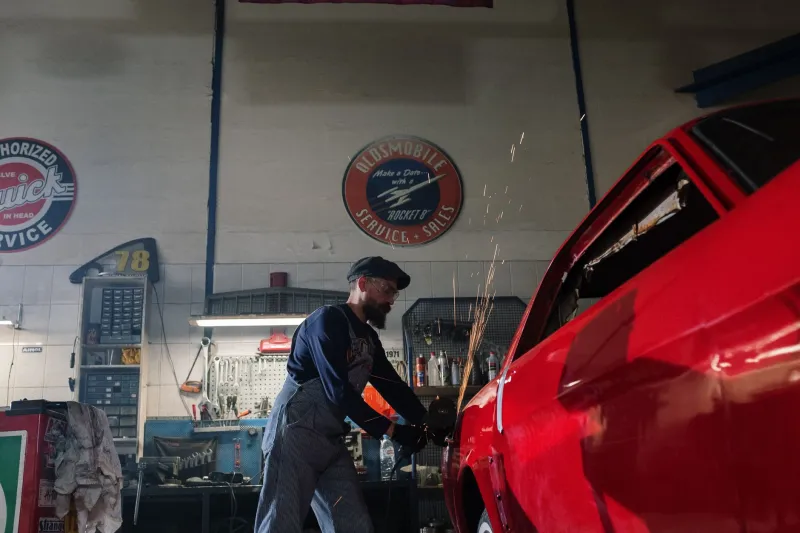
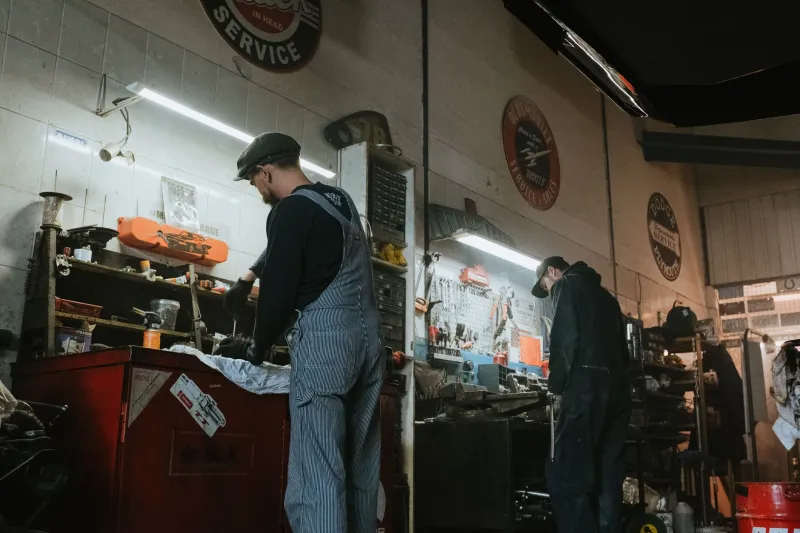
The Garage That Knew Your Car By Name: How Auto Repair Went From Trust to Upsell

The Garage That Knew Your Car By Name: How Auto Repair Went From Trust to Upsell

There was a time when the guy fixing your car was also the guy who coached your son's Little League team and waved at you from his driveway on Sunday mornings. The neighborhood mechanic wasn't just a service provider — he was a relationship. That relationship is almost entirely gone now, replaced by a tablet-wielding service advisor and a waiting room that smells like burnt coffee and quiet dread.

He Showed Up With a Toolbox and Fixed It on Your Kitchen Floor

He Showed Up With a Toolbox and Fixed It on Your Kitchen Floor

Before service centers and online appointment portals, a repairman would simply show up at your door, diagnose the problem, and fix it on the spot. It was a whole economy built around competence, trust, and showing up. Then we decided it was easier to just throw things away.

When School Lunch Actually Smelled Good: The Era Before Heat-and-Serve Took Over

When School Lunch Actually Smelled Good: The Era Before Heat-and-Serve Took Over

Forty years ago, school kitchens employed real cooks who prepared actual meals from scratch. Walking into Lincoln Elementary at lunchtime meant encountering the aroma of roasted chicken and fresh-baked rolls. Today's cafeterias serve federally-compliant nutrition units that prioritize cost and regulation over flavor and satisfaction.

When America Took a Day Off: The Death of Sunday as Sacred Pause

When America Took a Day Off: The Death of Sunday as Sacred Pause

Sunday once brought America to a complete stop—stores shuttered, streets emptied, families forced together by the simple absence of anywhere else to go. The transformation to 24/7 commerce represents more than convenience; it's the elimination of collective rest from American life.

When Every Kid Had a Place to Cool Off: America's Disappearing Public Pools

When Every Kid Had a Place to Cool Off: America's Disappearing Public Pools

Public swimming pools once defined American summers, offering free access to relief from the heat regardless of family income. Today, budget cuts and privatization have transformed swimming from a public right into a private privilege, fundamentally changing how communities gather and kids spend their summers.

When a New Movie Could Stop a Town in Its Tracks

When a New Movie Could Stop a Town in Its Tracks

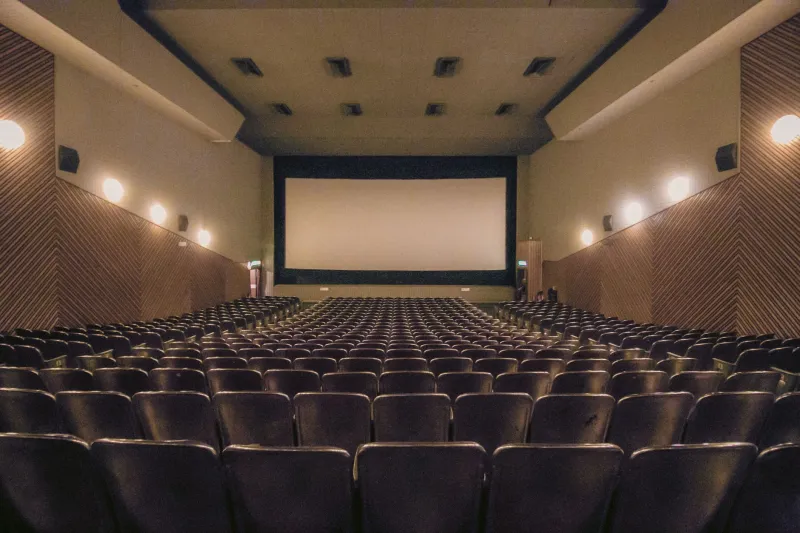
There was a time when a film opening wasn't a content drop — it was a civic event. People dressed up. They lined the block. They talked about what they saw for weeks. Something happened to all of that, and it happened faster than most of us noticed.

The Lunch Break That Lasted All Summer: How America Forgot What Rest Was Supposed to Feel Like

The Lunch Break That Lasted All Summer: How America Forgot What Rest Was Supposed to Feel Like

In 1960, a factory worker in Ohio could reasonably expect two weeks of paid vacation, a 40-hour week, and a Sunday that actually felt like a Sunday. Today, millions of Americans leave paid time off on the table, answer emails on the beach, and quietly brag about how busy they are. Somewhere along the way, rest became a luxury — and overwork became a personality.