Tuesday Night at the Lanes: The Vanishing of America's Weekly Ritual

Every Tuesday at 7 PM sharp, Dave Martinez would lock up his auto shop, drive ten minutes to Riverside Lanes, and spend three hours with the same group of guys he'd been bowling with since Carter was president. There was Tom the high school principal, Jerry who ran the hardware store, Mike from the phone company, and a rotating cast of neighbors who showed up because Tuesday night bowling was just what you did in their corner of Ohio.
 Photo: Riverside Lanes, via www.theriversidelanes.com
Dave wasn't particularly good at bowling—his average hovered around 140—but that wasn't really the point. The point was that every week, without fail, he had a place to go where people expected him, where his absence would be noticed, where he belonged to something bigger than his daily routine.
Today, Riverside Lanes is a storage facility, and Dave spends Tuesday nights scrolling through Netflix, wondering why he feels so isolated in a world more connected than ever.
The Architecture of Belonging
Mid-century America was built around recurring rituals that gave ordinary people extraordinary reasons to leave their houses. Bowling leagues, church socials, Elks lodges, neighborhood card games, volunteer fire departments, and amateur softball teams created a social infrastructure that operated on one simple principle: show up at the same time, same place, every week, and you'll find your people.
These weren't exclusive clubs for the wealthy or highly educated. They were democratic institutions that welcomed anyone willing to pay modest dues and commit to regular participation. The Riverside Bowling League cost twelve dollars a week, which included games, shoes, and enough beer to make Jerry's terrible jokes seem funny.
The beauty of these groups wasn't their exclusivity—it was their predictability. You didn't need to coordinate schedules, send group texts, or navigate complex social hierarchies. Tuesday meant bowling, Thursday meant poker at the firehouse, Sunday meant church potluck. The rhythm was established, the expectations clear, and the barriers to entry refreshingly low.
The Gentle Force of Social Obligation
What made these groups work wasn't just convenience—it was the productive pressure of mild social obligation. When nine other guys were counting on you to show up for bowling, you showed up. When the church ladies were expecting your famous potato salad for the monthly social, you made potato salad. When your volunteer fire department shift was Saturday morning, you set your alarm.
This wasn't the suffocating obligation of family drama or workplace politics. It was the gentle accountability that comes from knowing your presence matters to a group that chose to include you. People complained about having to go to their various weekly commitments, but they also drew deep satisfaction from being expected, needed, and reliably part of something.
Modern Americans have largely liberated themselves from these social obligations, celebrating the freedom to make spontaneous plans or stay home whenever they feel like it. What we didn't anticipate was how much we'd miss the structure, the built-in social contact, and the simple pleasure of being somewhere we belonged.
The Streaming Isolation
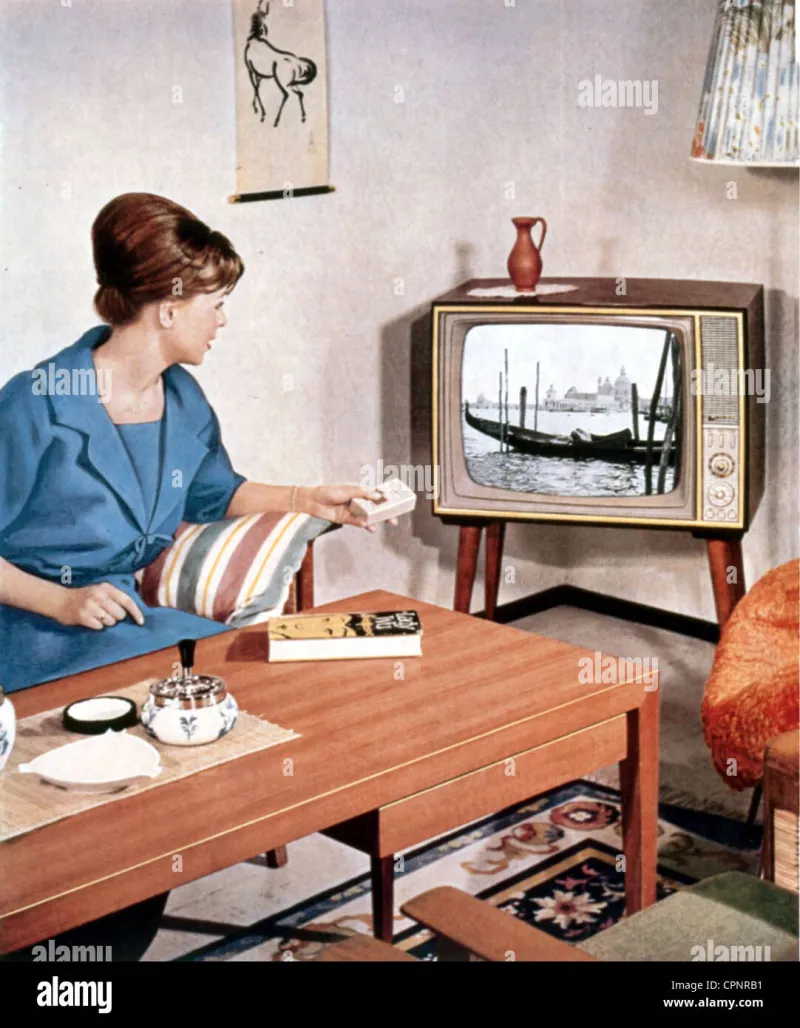
Somewhere between the rise of cable television, the internet, and on-demand entertainment, Americans quietly abandoned the practice of leaving their houses for scheduled social activities. Why drive to the bowling alley when you could watch a movie at home? Why commit to weekly poker when you could play online anytime? Why join a book club when you could read reviews on Amazon?
The math seemed obvious: home entertainment was cheaper, more convenient, and perfectly customized to individual preferences. No more listening to Jerry's bad jokes, no more accommodating Tom's need to be home by 10 PM, no more splitting the cost of pitchers with people who drank too slowly. You could have exactly the entertainment you wanted, exactly when you wanted it, without the friction of other people's schedules and preferences.
What nobody predicted was how much we'd miss the friction. The compromise, the accommodation, the gentle annoyance of dealing with other people's quirks—these weren't bugs in the system of group activities. They were features that taught us how to be social creatures, how to find common ground with people who weren't exactly like us.
The Algorithm vs. The League
Streaming services promise to solve the problem of what to watch by learning your preferences and suggesting content you'll probably like. It's a remarkably sophisticated system that gets better at predicting your tastes over time, serving up an endless buffet of perfectly calibrated entertainment.
But the Riverside Bowling League operated on the opposite principle. It threw together people who had nothing in common except geography and a willingness to show up on Tuesday nights. Dave the mechanic had to figure out how to get along with Tom the principal, not because an algorithm determined they were compatible, but because they were both there, rolling balls down the same lane, sharing the same pitcher of beer.
These random social combinations created something that no algorithm can replicate: the delightful surprise of discovering you actually like someone you never would have chosen to spend time with. The insurance salesman who turned out to be hilarious, the quiet librarian who gave the best life advice, the grumpy electrician who always remembered your birthday.
The Loneliness Epidemic
Americans today report unprecedented levels of loneliness despite being more digitally connected than any generation in history. We have more ways to communicate with more people across more platforms than our grandparents could have imagined, yet somehow we feel more isolated than the generation that gathered in church basements and bowling alleys every week.
The difference isn't just quantity of social contact—it's quality and predictability. Digital connections are convenient but fragile, easy to start and easier to abandon. The bowling league required commitment, created obligation, and built relationships through consistent, repeated, face-to-face contact over months and years.
When Dave's wife was diagnosed with cancer, the bowling league didn't send thoughts and prayers through Facebook. They organized a meal train, covered his shifts at the shop, and made sure someone checked on him every few days until she recovered. They could do this because they'd been showing up for each other every Tuesday for decades, building the kind of social capital that only comes through sustained, in-person community.
The Lost Art of Showing Up
What died with the bowling leagues wasn't just recreational activity—it was the practice of showing up. The simple, revolutionary act of being somewhere at a specific time because other people were counting on you. The discipline of honoring commitments even when you didn't feel like it, the reward of being known and expected in a place outside your home and workplace.
Modern life offers infinite flexibility and zero accountability. You can work from anywhere, socialize digitally, and entertain yourself on demand. But flexibility without structure often becomes isolation without intention. The freedom to do anything, anytime, often becomes the paralysis of doing nothing, nowhere, with no one.
The Tuesday night bowling league represented something we've largely forgotten: that the best parts of community aren't always convenient, that meaningful relationships require showing up even when you'd rather stay home, and that sometimes the most profound human connections happen between strikes and spares, over cheap beer and terrible jokes, with people who became family simply because they kept appearing in the same place, week after week, year after year.