Before the Gig Economy: When Every Teenager Had a Real Job That Actually Paid
The 5 AM Alarm Clock
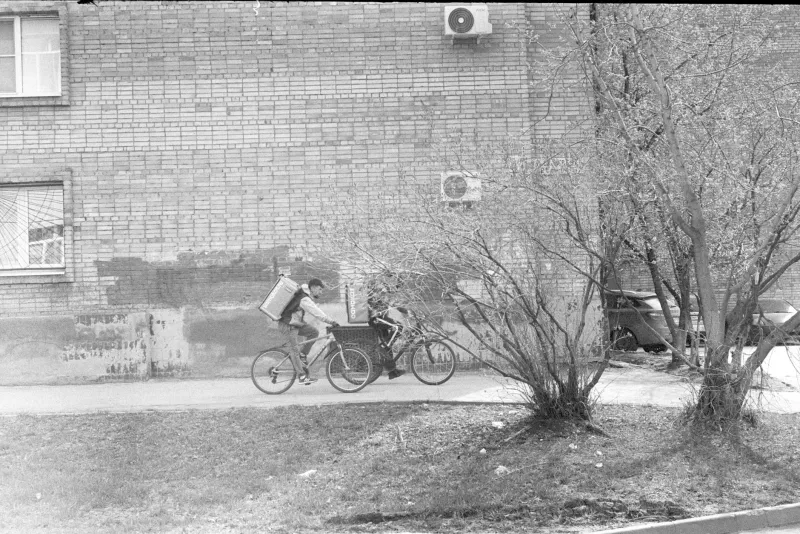
Every morning at dawn, Tommy Rodriguez would load his bike with 47 copies of the Akron Beacon Journal and pedal through the Kenmore neighborhood, tossing papers onto porches with practiced accuracy. It was 1981, he was 13 years old, and he was earning real money — about $40 a week, which felt like a fortune to a kid whose biggest previous income source was birthday cards from relatives.
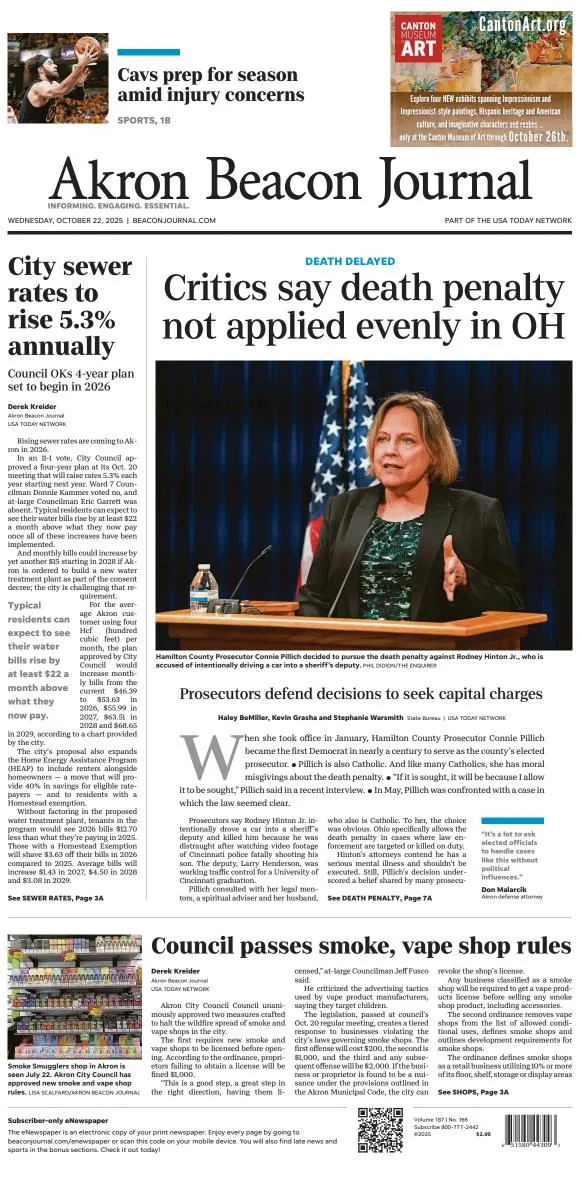 Photo: Akron Beacon Journal, via t.prcdn.co
The paper route taught Tommy things no classroom could: how to manage customers (Mrs. Peterson always wanted her paper placed just so), handle money (collecting payments and making change), and deal with consequences (miss a house, and you'd hear about it). By high school, he'd graduated to weekend shifts at the local hardware store, learning inventory and customer service from Mr. Kowalski, who'd owned the place for thirty years.
Today, Tommy's own teenage son can't find a job anywhere. Not because he's lazy or unqualified, but because those jobs simply don't exist anymore.
The Great Employment Pipeline
For most of the 20th century, America ran on a predictable youth employment pipeline. Kids started with paper routes around 12 or 13, moved up to retail or food service at 16, and often found summer work in factories or warehouses that paid decent wages. These weren't just "jobs" — they were economic education, teaching practical skills that schools couldn't provide.
The numbers were staggering. In 1978, nearly 60% of teenagers aged 16-19 had jobs. By 2018, that figure had plummeted to just 35%. For younger teens — the paper route and lawn mowing demographic — employment opportunities virtually disappeared.
When Businesses Needed Kids
The old economy created natural entry points for young workers. Newspapers needed carriers who could work odd hours for modest pay. Soda fountains and ice cream parlors needed enthusiastic kids who'd work summers and weekends. Five-and-dime stores needed stock clerks who could work after school.
These jobs existed because they made economic sense. A 14-year-old could absolutely handle dropping papers on porches or scooping ice cream. The tasks were real but manageable, the hours flexible, and the pay structure worked for both employer and employee.
More importantly, these businesses were locally owned. Mr. Peterson who ran the corner grocery knew the neighborhood kids and their families. Hiring the teenager down the street wasn't just about labor — it was about community investment.
The Liability Revolution
Everything changed when America became obsessed with liability. Insurance companies started viewing teenage employees as lawsuit risks rather than eager workers. The paperboy on a bicycle became a potential injury claim. The kid operating a cash register became a theft liability. The teenager stocking shelves became a workers' compensation issue.
By the 1990s, many businesses simply stopped hiring minors rather than navigate the legal complexities. Why deal with work permit paperwork, restricted hours, and potential liability when you could hire adults?
Technology Killed the Simple Job
Automation eliminated many tasks that had traditionally gone to young workers. Newspaper delivery became adult routes with cars, not kids with bikes. Grocery stores installed self-checkout systems instead of hiring teenage baggers. Gas stations went self-service, eliminating attendant jobs that had employed countless high schoolers.
Even where jobs remained, they became more complex. Operating a modern cash register requires computer skills and security procedures that make the old "summer job" training period impractical. Employers wanted experienced workers who could contribute immediately, not teenagers learning the ropes.
The Internship Mirage
As traditional teenage jobs disappeared, the professional class created "internships" — unpaid work experiences that supposedly provided valuable training. But these opportunities were only accessible to kids whose families could afford to work for free, creating a new form of economic segregation.
Working-class teenagers who needed actual income found themselves shut out of both entry-level jobs (which no longer existed) and professional development opportunities (which they couldn't afford). The result was a generation of young people entering adulthood with no work experience and no understanding of workplace basics.
The Money Lessons That Vanished
The paper route taught more than responsibility — it provided practical financial education that no textbook could match. Kids learned to budget their earnings, save for purchases, and understand the relationship between work and reward. They experienced the satisfaction of earning their own money and the discipline of showing up regardless of weather or mood.
Tommy Rodriguez used his paper route earnings to buy his first baseball glove, his first bicycle upgrade, and eventually his first car insurance payment. Each purchase felt meaningful because he'd earned every dollar. Today's teenagers often receive allowances or gifts with no connection to effort or achievement.
The Social Capital Gap
Working teenagers also built relationships across age and class lines. The hardware store job connected Tommy with customers from every neighborhood, teaching him to communicate with adults, handle difficult situations, and understand different perspectives. These interactions provided social education that complemented academic learning.
Modern teenagers spend most of their time with peers in highly structured environments. They miss the informal mentorship that came from working alongside adults who weren't teachers or parents — people who could provide different models of success and different approaches to problem-solving.
When Work Was Part of Growing Up
Perhaps most importantly, teenage employment was considered normal, even essential, for healthy development. Parents expected their kids to work, not just for the money, but for the life skills. Having a job was a mark of maturity, independence, and responsibility.
Today, teenage employment is often seen as a sign of family financial distress rather than character building. Middle-class parents focus on academic achievement and extracurricular activities, viewing part-time work as a distraction from college preparation.
The Gig Economy False Promise
Some argue that modern teenagers can find work in the gig economy — delivering food, walking dogs, freelance tutoring. But these opportunities lack the structured mentorship and community connection of traditional teenage jobs. They're also typically available only to kids with cars, smartphones, and other resources.
Gig work doesn't provide the same learning experience as reporting to Mr. Kowalski every Saturday morning, learning inventory systems, and gradually taking on more responsibility. It's transactional rather than developmental.
What We Lost
When America eliminated teenage employment, we lost a crucial piece of the social fabric. We lost the assumption that young people could contribute meaningfully to the economy. We lost the natural progression from childhood dependence to adult responsibility. We lost the shared experience of earning that first paycheck and learning what work actually means.
Most significantly, we lost economic mobility. Those first jobs weren't just about pocket money — they were the bottom rung of the economic ladder. Kids who started with paper routes often moved up to better jobs, building skills and connections that lasted for life.
Today's economy expects young people to emerge from high school or college fully formed as workers, with no apprenticeship period, no gradual introduction to responsibility, no time to learn from mistakes in low-stakes environments.
The Path Forward
Recreating meaningful youth employment won't be simple, but it's not impossible. Some communities are experimenting with modern versions of traditional teenage jobs — bike delivery services, local retail cooperatives, community maintenance programs.
The key is recognizing that teenage employment isn't just about giving kids something to do. It's about providing a bridge between childhood and adulthood, teaching lessons that can't be learned any other way, and ensuring that the next generation understands both the rewards and responsibilities of work.
Without that bridge, we're sending young people into an economic world they've never experienced, expecting them to succeed at something they've never practiced. The paper route may be gone, but the need for what it taught remains as urgent as ever.