When America Took a Day Off: The Death of Sunday as Sacred Pause
The Great Sunday Silence
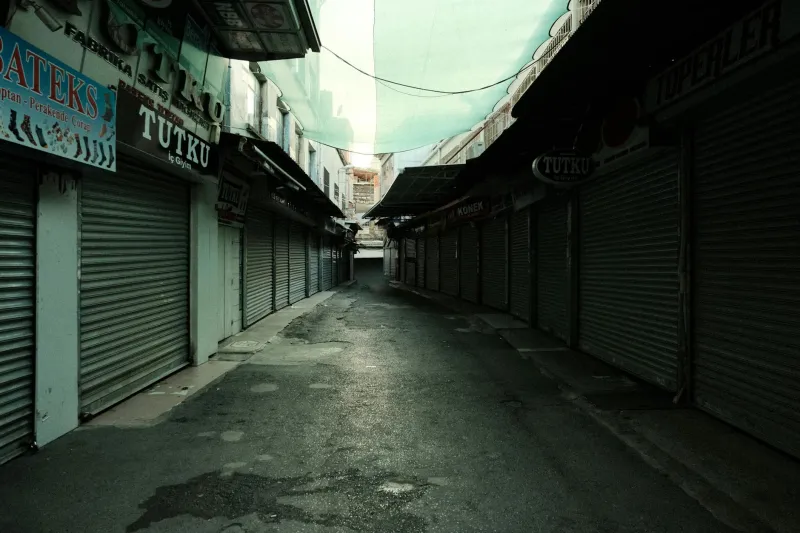
Every Sunday morning in 1965, downtown Minneapolis looked like a movie set after the crew had gone home. Store windows displayed their wares behind locked doors. Parking meters stood unused along empty streets. The only sounds were church bells and the occasional footstep of someone walking to worship.
This wasn't the result of economic depression or natural disaster. This was Sunday in America—a day when the entire machinery of commerce ground to a voluntary halt, creating a weekly rhythm of work and rest that had governed American life for generations.
Betty Larson, who managed a downtown clothing store during that era, remembers the profound quiet: "You could walk down Nicollet Mall on Sunday afternoon and hear your own footsteps echo. Everything was closed. Everyone was home. It was like the whole city took a deep breath and held it for twenty-four hours."
The Blue Law Fortress
Sunday's commercial silence wasn't just cultural tradition—it was legally enforced through blue laws that prohibited most retail activity on the Christian Sabbath. These regulations, dating back to colonial America, created an impermeable wall between Sunday and the rest of the week.
In 1960s America, you couldn't buy groceries on Sunday. You couldn't shop for clothes, purchase gasoline, or even buy a newspaper in many places. Restaurants were closed. Movie theaters were shuttered. The only businesses permitted to operate were those deemed essential: hospitals, pharmacies for emergencies, and gas stations on major highways.
These restrictions weren't merely symbolic. They carried real legal weight. Business owners who violated blue laws faced fines, license suspension, and community disapproval. The law and social custom worked together to create something unprecedented in human history: an entire society that chose to stop buying and selling for one day each week.
The Forced Family Day
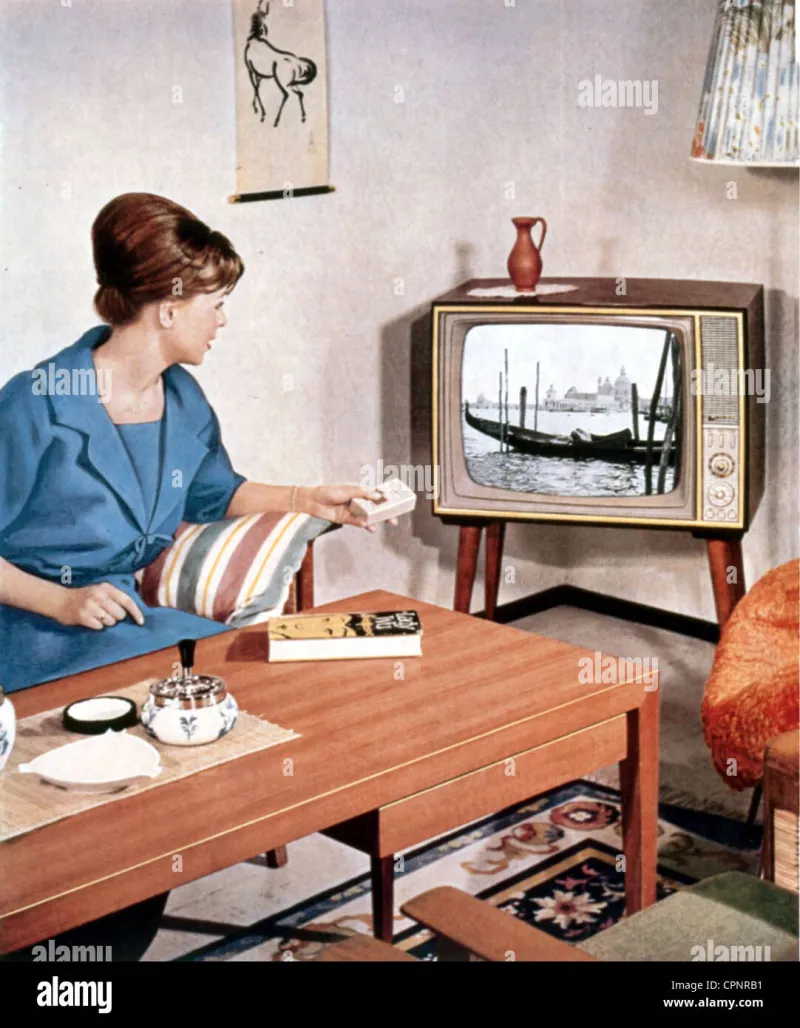
Without stores to visit, errands to run, or places to spend money, American families found themselves thrown together in ways that seem almost unimaginable today. Sunday became a day of forced togetherness—not because families particularly wanted to spend time together, but because there was literally nowhere else to go.
This created its own rhythm of domestic life. Sunday morning meant church for many families, followed by elaborate home-cooked meals that took hours to prepare and consume. Afternoons were spent in living rooms, on front porches, or in backyard conversations that meandered through topics both profound and trivial.
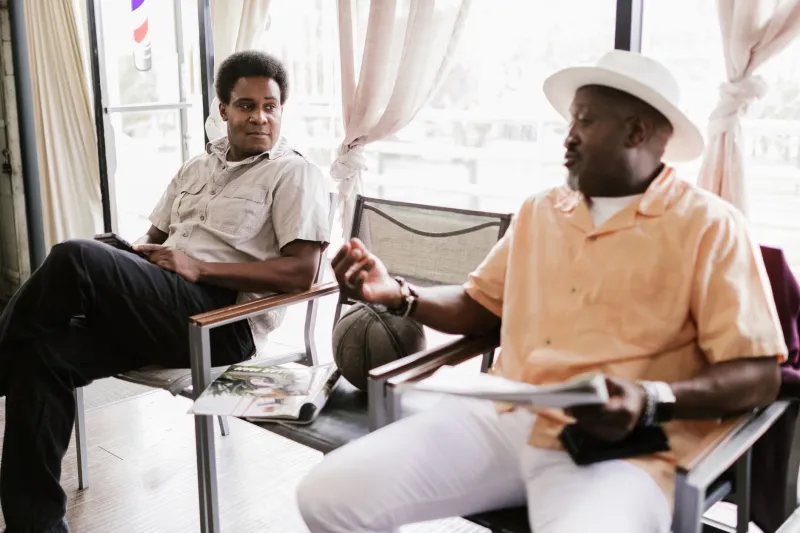
Robert Martinez, who grew up in 1950s Sacramento, recalls these mandatory family gatherings with mixed emotions: "Sunday was the longest day of the week when I was a kid. Boring as hell, honestly. But looking back, those were the conversations where I actually learned what my parents thought about the world. We had nothing else to do but talk to each other."
The Economics of Rest
The Sunday shutdown represented a massive economic sacrifice that modern America would find incomprehensible. Retailers voluntarily forfeited one-seventh of their potential revenue. Workers accepted one-seventh fewer opportunities to earn overtime pay. Consumers delayed purchases and deferred gratification in ways that seem almost primitive by contemporary standards.
Yet this economic sacrifice served a social function that economists are only now beginning to understand. The guaranteed day of rest created what sociologists call "temporal equity"—everyone, regardless of income or social status, experienced the same limitation on commercial activity. The millionaire and the minimum-wage worker were equally unable to shop on Sunday.
This shared constraint created a form of social solidarity that transcended class boundaries. Rich and poor alike were forced to find non-commercial ways to spend their time, creating common experiences that bridged economic divides.
The Crack in the Wall
The dismantling of Sunday's commercial silence began gradually in the 1970s and accelerated through the 1980s. Convenience stores argued they provided essential services. Grocery chains claimed Sunday shopping served working families. Gas stations expanded beyond highway locations to serve suburban customers.
Each exception created pressure for more exceptions. If convenience stores could operate on Sunday, why not pharmacies? If pharmacies could open, why not grocery stores? If grocery stores could serve customers, why not department stores?
The transformation accelerated as American families changed. More women entered the workforce, creating demand for weekend shopping opportunities. Suburban sprawl made Sunday the most convenient shopping day for many families. National retail chains standardized operations across regions, making local blue law compliance increasingly complex.
The 24/7 Revolution
Today's America operates under the opposite assumption: commerce should be available at all times, in all places, through all channels. Sunday has become one of the busiest shopping days of the week. Online retailers never close. Smartphone apps enable purchasing at any hour of any day.
The COVID-19 pandemic accelerated this transformation beyond anything previous generations could have imagined. Curbside pickup, delivery services, and contactless payment systems made shopping possible without human interaction, eliminating even the social friction that once slowed commercial activity.
Modern Americans can buy groceries at 3 AM, order furniture while sitting in church, and receive same-day delivery on Sunday afternoon. The technological infrastructure of commerce now operates independently of human schedules, creating a commercial environment that never sleeps.
The Exhaustion Economy
This transformation has created what researchers call "temporal poverty"—the sense that time has become scarce even as convenience has increased. When shopping can happen anytime, it tends to happen all the time. When stores never close, the pressure to be productive never stops.
Modern families report feeling constantly behind, perpetually busy, and unable to find genuine rest. The solution offered by contemporary culture is more efficiency: faster delivery, simpler checkout, more convenient shopping options. But efficiency doesn't create rest—it just makes busyness more productive.
Sarah Chen, a working mother in Portland, describes the modern Sunday experience: "I spend Sunday running errands I couldn't do during the week. Grocery shopping, Target runs, online ordering while the kids watch TV. It's convenient, but I can't remember the last time Sunday actually felt different from any other day."
What We Traded Away
The death of Sunday as sacred pause represents more than the victory of convenience over tradition. It marks the elimination of collective rest from American life. When commerce never stops, neither do we.
The old Sunday created space for activities that don't generate revenue: conversation, reflection, boredom, family meals that lasted hours rather than minutes. These experiences weren't necessarily pleasant—many people found Sunday restrictive and boring—but they served functions that we're only now recognizing as valuable.
Forced rest created opportunities for relationships that don't exist when everyone can always be somewhere else. Mandatory downtime allowed for mental processing that doesn't happen when entertainment is always available. Shared limitations created social bonds that don't form when everyone follows individual schedules.
The Paradox of Choice
Modern Americans have gained unprecedented freedom to shop, work, and consume according to individual preferences. This represents genuine progress in personal autonomy and economic efficiency. Sunday shopping serves working families, provides employment opportunities, and meets consumer demand in ways that blue laws never could.
But in gaining the freedom to shop anytime, we've lost the freedom from shopping that comes with collective rest. In choosing individual convenience, we've abandoned the social benefits of shared limitation.
The old Sunday wasn't perfect—it was often boring, sometimes oppressive, and occasionally hypocritical. But it created something that 24/7 commerce cannot: a guaranteed pause in the machinery of buying and selling that allowed American life to breathe.
As we optimize for efficiency and convenience, it's worth asking whether we've optimized away something essential: the simple human need for rest that doesn't require productivity, relationships that don't generate revenue, and time that belongs to something other than commerce.