From Pickup Games to Private Coaches: How Youth Sports Became a $20 Billion Anxiety Machine
The Field Where Dreams Were Simple
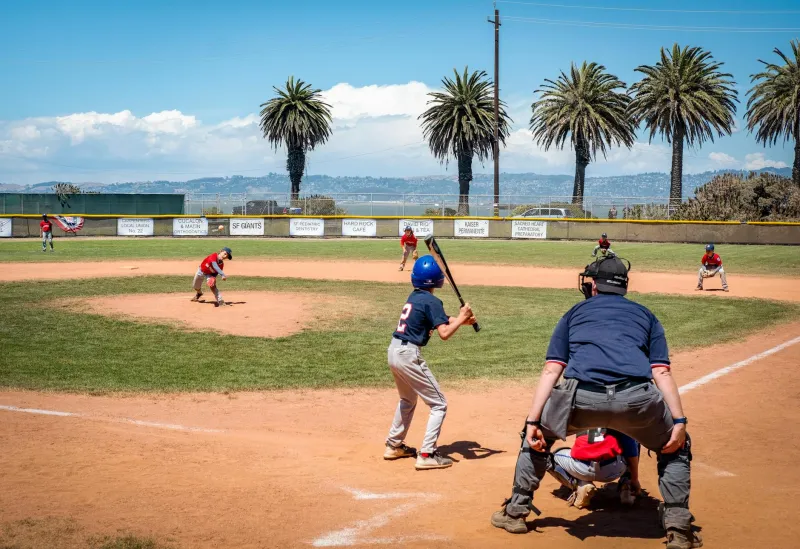
In 1972, Tommy Henderson's Little League team practiced twice a week on a dusty diamond behind the elementary school. Their coach was Jimmy's dad, who worked at the hardware store and knew exactly three things about baseball: swing level, keep your eye on the ball, and have fun. The season lasted twelve weeks, cost fifteen dollars, and ended with orange slices and a trophy for everyone.
 Photo: Tommy Henderson, via expint.org
Today, Tommy's grandson plays for the Elite Prospects Baseball Academy. His training schedule includes four practices per week, private hitting lessons, strength conditioning, mental performance coaching, and tournament travel that requires hotel stays in three different states. The annual cost approaches $8,000, not counting equipment, travel expenses, and the family therapist they hired after he had a panic attack during a showcase game.
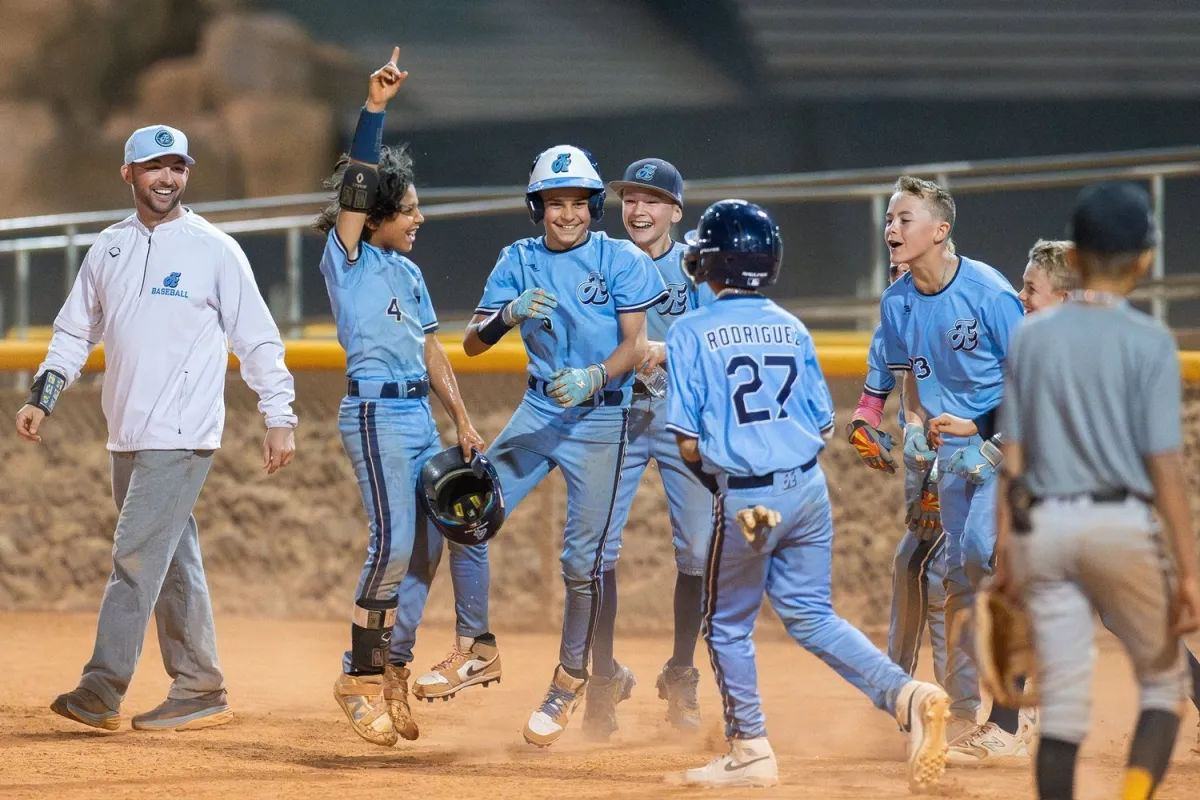 Photo: Elite Prospects Baseball Academy, via images.squarespace-cdn.com
Somewhere between then and now, American youth sports stopped being about kids having fun and became a high-stakes investment in their future.
When Sports Had Seasons
Fifty years ago, American kids played different sports throughout the year. Fall meant football or soccer, winter brought basketball, and spring belonged to baseball and track. The concept of specializing in one sport year-round was almost unheard of. Kids developed different muscle groups, learned various skills, and avoided the repetitive stress injuries that now plague teenage athletes.
The transition happened gradually. College scholarships became more competitive. Parents heard stories about early recruitment. Travel teams promised better coaching and exposure to scouts. What started as an opportunity for advanced players slowly became the expected path for anyone serious about athletics.
By the 2000s, the pressure to specialize early had become conventional wisdom. Today, sports medicine doctors regularly treat thirteen-year-olds for overuse injuries that were once seen only in professional athletes. Tommy John surgery, named after a Major League pitcher, is now performed on high school students whose arms couldn't handle throwing curveballs twelve months a year.
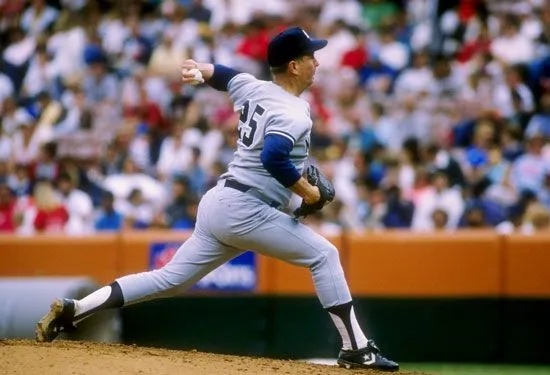 Photo: Tommy John, via cdn.britannica.com
The Professionalization of Childhood
Modern youth sports operates like a minor league system for college recruitment. Parents invest thousands of dollars annually in private coaching, specialized camps, and showcase tournaments where college scouts might notice their child. The return on investment calculations would make Wall Street analysts proud: divide the cost of youth sports by the potential scholarship value, factor in the odds of recruitment, and hope the math works out.
This transformation created an entire industry. Personal trainers who work exclusively with young athletes charge $100 per hour. Sports psychologists help kids handle pressure that previous generations never experienced. Nutritionists design meal plans for twelve-year-olds. Equipment manufacturers sell $400 baseball bats to Little League players.
The financial barrier has fundamentally changed who gets to play. Youth sports has become increasingly segregated by income, with working-class families priced out of the very activities that once provided equal opportunity for all kids. The neighborhood pickup game, where talent mattered more than family income, has largely disappeared.
The Psychology of Always Performing
Perhaps the most significant change is psychological. Kids in earlier eras played sports for enjoyment, exercise, and social connection. Winning mattered, but losing a game didn't feel like failing at life. Today's young athletes often describe feeling constant pressure to perform, fear of disappointing parents who've invested heavily in their development, and anxiety about college prospects that shouldn't concern a fourteen-year-old.
Sports psychologists report treating increasing numbers of young athletes for performance anxiety, depression, and burnout. The joy that once defined youth athletics has been replaced by metrics, rankings, and endless evaluation. Kids learn to see their bodies as investments rather than sources of fun and physical expression.
The Disappearing Art of Play
The most profound loss might be the death of unstructured play. Previous generations of kids organized their own games, resolved their own disputes, and learned leadership through trial and error. They played until dark, made up rules as they went, and experienced the pure joy of movement without adult supervision or evaluation.
Today's organized sports leaves little room for this kind of organic development. Every moment is coached, every mistake corrected, every success measured against predetermined standards. The creativity and problem-solving skills that emerged from pickup games have been replaced by following instructions and executing predetermined plays.
What We Gained and Lost
Modern youth sports undeniably produces better athletes. Today's high school players are stronger, faster, and more skilled than their predecessors. Training methods are more sophisticated, coaching is more knowledgeable, and opportunities for advancement are more structured.
But these improvements came at a cost. We traded widespread participation for elite development, joy for achievement, and childhood for premature professionalization. The neighborhood field where any kid could show up and play has been replaced by exclusive travel teams that require applications, tryouts, and significant financial commitment.
The question isn't whether we can return to the past—we can't. But we might ask whether the pursuit of athletic excellence has inadvertently stolen something essential from the very children it claims to serve. In our rush to create better athletes, we may have forgotten how to create kids who simply love to play.