The Building on the Corner Had Every Answer — and It Was Free
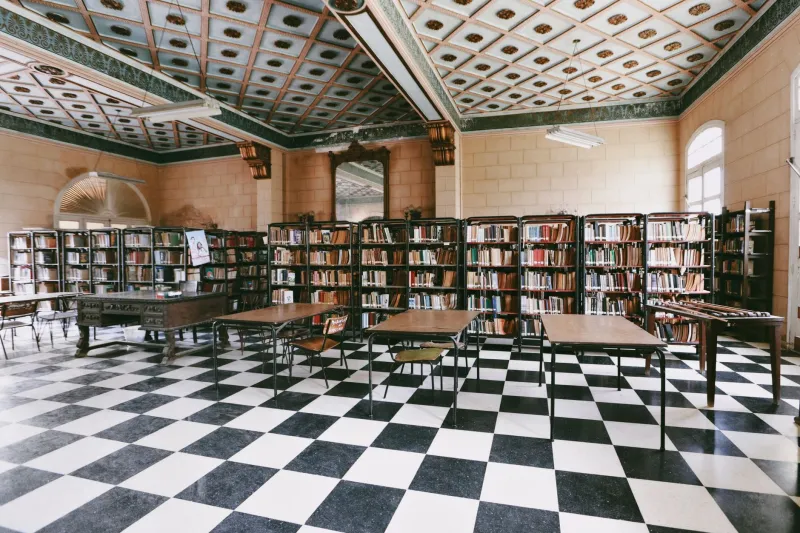
Picture a twelve-year-old in 1974 who wants to know how rockets work. She doesn't have a computer. She doesn't have a smartphone. She has a library card and a Saturday morning, and that turns out to be enough. She walks six blocks to the public library, asks the reference librarian for help, and within twenty minutes she's sitting at a wooden table with three books on aerospace engineering, a bound volume of Scientific American back issues, and a pamphlet from NASA that the library ordered specifically because kids kept asking.
She leaves two hours later knowing exactly how rockets work.
That was the public library at its peak — not just a building full of books, but a living system of organized knowledge, human expertise, and genuine civic commitment to the idea that information should be free.
The Original Search Engine
It's easy to forget how radical the public library concept actually was. When Andrew Carnegie funded the construction of over 2,500 libraries across the United States between the 1880s and 1920s, the idea that any citizen — regardless of income, background, or education level — could walk in off the street and access the same reference materials as a university professor was genuinely revolutionary.
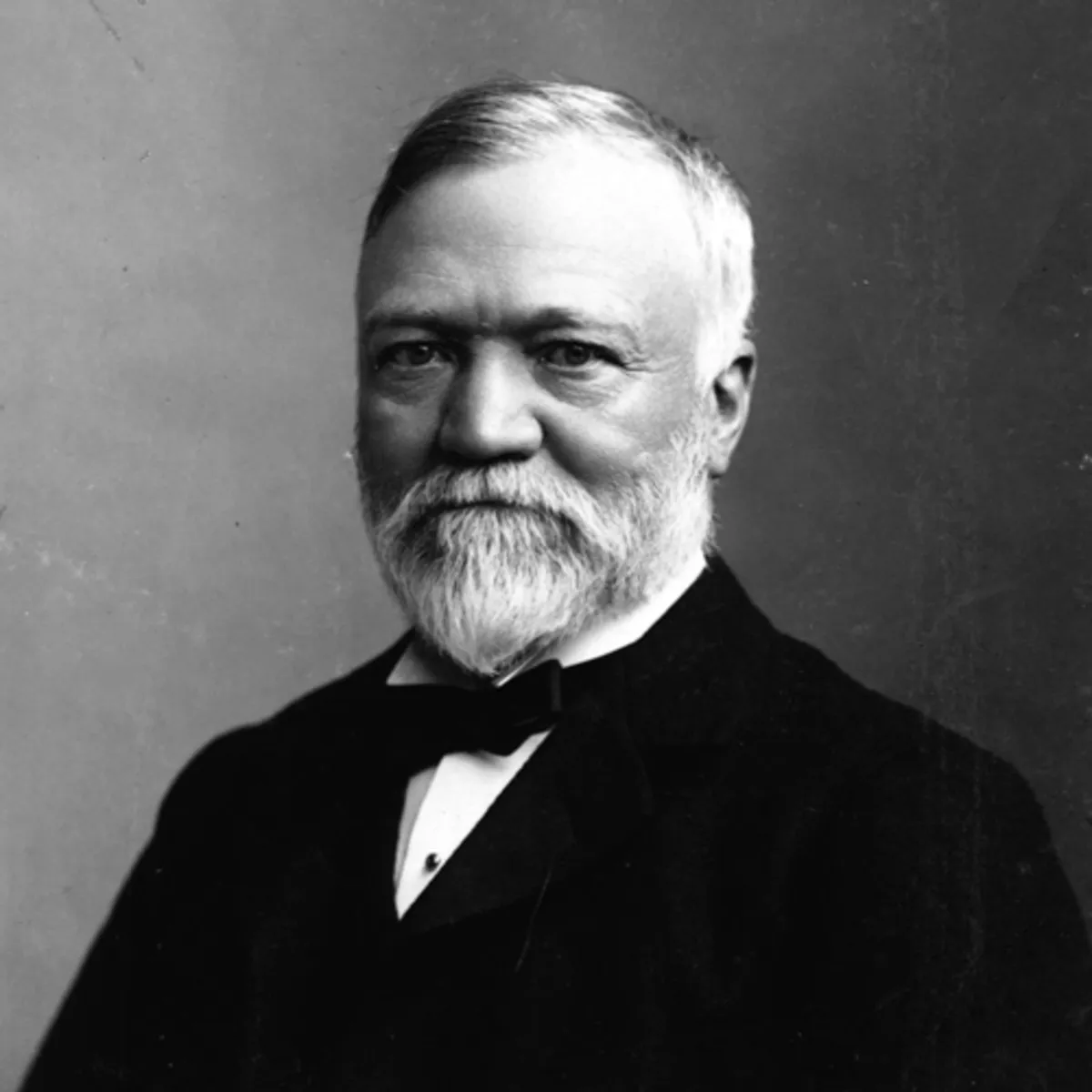 Photo: Andrew Carnegie, via i.pinimg.com
And for most of the twentieth century, libraries delivered on that promise in spectacular fashion.
The reference desk was the original search engine. Staffed by trained librarians who had spent years learning how to navigate complex information systems, it was a resource that could locate a census record, explain a legal term, track down a historical newspaper article, or help a first-generation college student understand what a bibliography was supposed to look like. For free. No subscription required. No algorithm deciding what you were allowed to see.
Libraries also served as community anchors in ways that went well beyond books. They hosted ESL classes, job training workshops, story hours for kids, and quiet spaces for anyone who needed one. In an era before the internet, they were the single most democratic institution most Americans interacted with on a regular basis.
The Promise the Internet Made
When the World Wide Web began reaching American homes in the mid-1990s, the optimism was enormous. Here, finally, was a technology that would do what libraries had always done — but at infinite scale. Every fact, every document, every piece of human knowledge, available to anyone with a connection.
 Photo: World Wide Web, via www.ipvanish.com
For a while, it actually felt that way.
Libraries leaned into it. They installed computer terminals, offered free internet access to patrons who didn't have it at home, and began digitizing their collections. Librarians retrained themselves as digital literacy instructors. The institution adapted, as it always had.
But something else was happening at the same time, mostly out of public view.
The academic journals that researchers, students, and curious citizens had always been able to access through library subscriptions began migrating behind paywalls controlled by a small number of massive publishing conglomerates. JSTOR, Elsevier, Springer — these companies built digital fortresses around the scholarly record and charged institutions staggering amounts to maintain access. A single journal article that might answer a medical question, clarify a legal matter, or settle a historical debate could cost $35 to $50 to read for 24 hours.
Meanwhile, the general web — once a relatively open landscape — began consolidating around a handful of platforms that prioritized engagement over accuracy, and advertising revenue over genuine information access.
What a Google Search Actually Gets You
Here's an experiment worth trying. Pick a genuinely complex question — something about nutrition science, or a specific historical event, or a medical condition — and try to research it using only free online sources.
What you'll find is a landscape of content farms, SEO-optimized articles written to rank rather than inform, brand-sponsored health pages, Wikipedia entries of wildly varying quality, and the occasional reputable source buried on page three of results because it doesn't generate enough clicks to surface higher.
The actual research — the peer-reviewed studies, the archival documents, the expert analysis — is almost entirely behind a paywall. And unless you're currently enrolled at a university with a robust library system, you're locked out.
A kid in 1974 with a library card had access to more reliable, curated, expert-vetted information on most topics than a kid today with a smartphone and a Wi-Fi connection. That's not a knock on technology. It's an indictment of what we chose to do with it.
The Libraries That Remain
To be clear: public libraries haven't disappeared. Most American cities still have them, and many are doing extraordinary work under genuinely difficult conditions. Budgets have been cut in hundreds of municipalities over the past two decades. Branches have closed. Hours have been reduced. Librarians — some of the most undervalued professionals in America — have been laid off.
The libraries that remain are often still remarkable. Many offer free access to digital databases, e-book lending, streaming services, and genealogical research tools that would cost hundreds of dollars per year to access independently. In many communities, the local library is still the best deal in town.
But the civic consensus that once surrounded them — the shared belief that a well-funded public library was as essential as a fire station or a school — has quietly eroded. And in its place has grown an assumption that the internet has made libraries redundant, when in fact the internet has often made them more necessary.
What the Building on the Corner Understood
The public library was built on a premise that sounds almost quaint today: that an informed citizenry requires access to reliable information, and that providing that access is a public responsibility, not a market opportunity.
For most of the twentieth century, that premise held. The library was the place where the playing field leveled — where the child of a factory worker could research the same topics as the child of a doctor, where a recent immigrant could learn about their new country, where anyone with curiosity and a card could find answers.
The digital age promised to extend that access to everyone, everywhere. Instead, it handed the keys to private companies and called it progress.
The building on the corner still has answers. The question is whether we still believe those answers should be free.