The Last Appointment Television: How Saturday Morning Cartoons Created America's Shared Childhood
The Ritual That Ruled Saturday
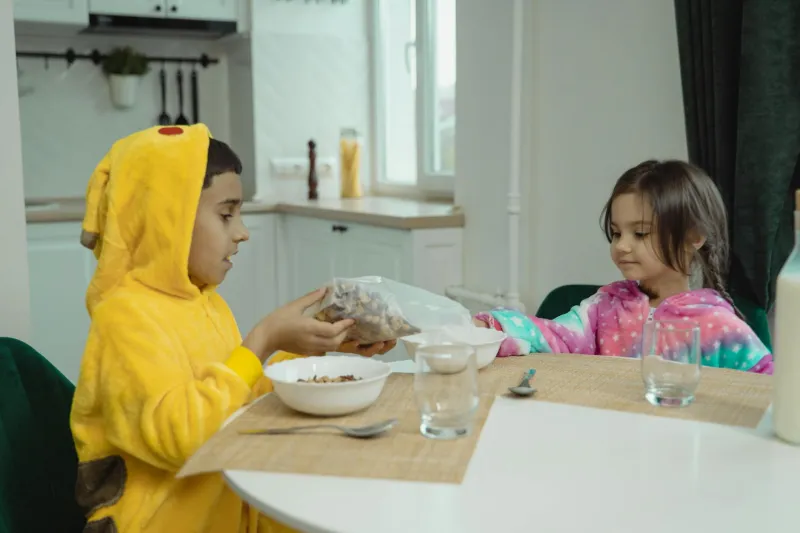
Every Saturday morning at 7 AM sharp, twelve million American children performed the same ritual. They stumbled out of bed, poured bowls of sugar-coated cereal, and planted themselves cross-legged on shag carpet within three feet of the television screen. For the next four hours, they belonged to a shared experience that united kids from Maine to California in front of the same animated adventures.
The lineup never disappointed: Bugs Bunny outsmarted Elmer Fudd, the Super Friends saved the world, and Scooby-Doo solved mysteries that always involved someone in a rubber mask. These weren't just cartoons—they were appointment television that created the closest thing to a national childhood experience America has ever known.
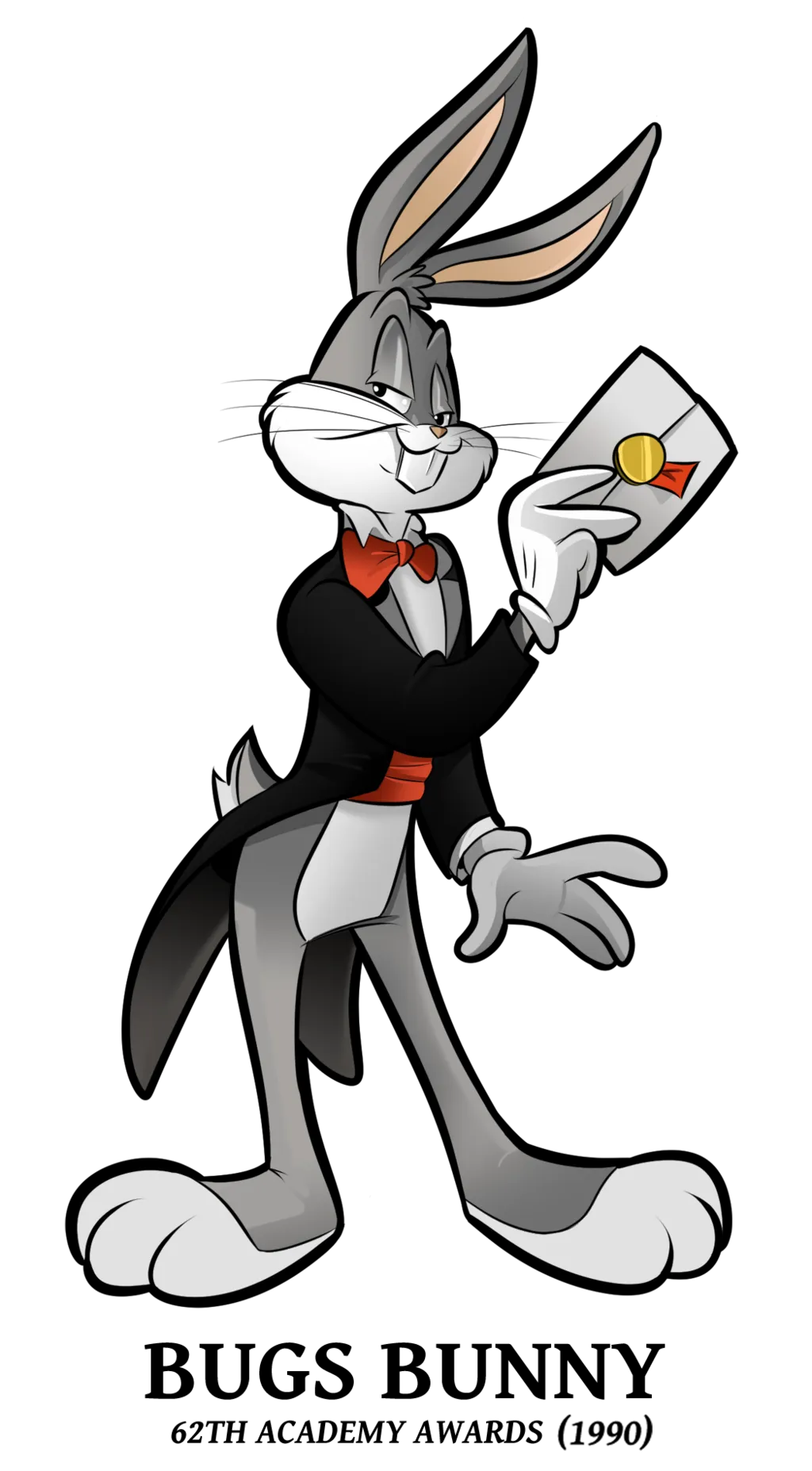 Photo: Bugs Bunny, via i.pinimg.com
Then Netflix arrived, and Saturday morning cartoons vanished almost overnight, taking with them one of the last remaining rituals that defined what it meant to be a kid in America.
When Networks Programmed for Pajamas
The golden age of Saturday morning cartoons began in the 1960s when television networks realized they could capture a massive audience that had nothing else to do and nowhere else to go. Unlike today's fragmented media landscape, kids had exactly three viewing options, creating a captive audience that advertisers loved and programmers could count on.
Networks invested heavily in original animated content designed specifically for Saturday mornings. They commissioned shows like "The Flintstones," "The Jetsons," and "Fat Albert and the Cosby Kids" that combined entertainment with subtle educational content. The Federal Communications Commission required children's programming to serve the public interest, pushing networks to balance fun with learning in ways that modern streaming platforms rarely attempt.
This programming block became so culturally significant that it influenced everything from breakfast cereal marketing to toy manufacturing. Companies timed product launches around Saturday morning advertising slots, knowing they could reach virtually every child in America simultaneously.
The Science of Synchronized Childhood
What made Saturday morning cartoons extraordinary wasn't just the content—it was the timing. Every kid in every time zone experienced the same programming sequence at the same relative time. This synchronization created shared cultural references that crossed regional, economic, and social boundaries.
Children who might never meet could bond over identical experiences: the anticipation of waiting for their favorite show, the disappointment when a rerun appeared instead of a new episode, the collective groaning when parents announced it was time for Saturday chores. These shared moments created a common language of childhood that persisted into adulthood.
The appointment nature of Saturday morning viewing also taught patience and anticipation—concepts that seem almost quaint in today's on-demand culture. Kids learned to wait a full week for the next episode, building excitement and creating appointment viewing habits that would last their entire lives.
The Cereal Commercial Industrial Complex
Saturday morning cartoons created the most powerful advertising platform in television history. Breakfast cereal companies discovered they could sell sugar-laden products directly to children during programming blocks designed exclusively for young audiences. The result was advertising campaigns that became as memorable as the shows themselves.
Tony the Tiger, the Trix Rabbit, and Lucky the Leprechaun became cultural icons whose catchphrases echoed through elementary school cafeterias nationwide. These commercials didn't just sell products—they created shared experiences around brand mascots that felt like additional cartoon characters.
The integration was seamless and effective. Kids begged parents for specific cereals not because they tasted better, but because eating them felt like participating in the Saturday morning ritual. The bowl of Fruity Pebbles became as essential to the experience as the cartoons themselves.
When Cable Changed Everything
The death of Saturday morning cartoons began with cable television expansion in the 1980s and 1990s. Networks like Nickelodeon and Cartoon Network offered animated programming throughout the week, reducing the special status of Saturday morning. Why wait for the weekend when kids could watch cartoons after school every day?
This fragmentation continued with home video, DVD collections, and eventually streaming services that made any cartoon available at any time. The appointment aspect of television viewing—the idea that certain programs aired at specific times and you either watched them or missed them—became obsolete.
By 2014, the last major network abandoned Saturday morning cartoons entirely, ending a tradition that had defined American childhood for nearly five decades. The final episode aired to an audience that had already moved on to tablets, smartphones, and streaming platforms that offered unlimited choice but eliminated shared experience.
The Paradox of Infinite Choice
Today's children have access to more animated content than any previous generation could have imagined. Streaming platforms offer thousands of shows, movies, and educational programs available instantly on demand. Parents can curate content based on educational value, age-appropriateness, and family values in ways that broadcast television never allowed.
But this abundance created an unexpected problem: the elimination of shared cultural experiences. When every child watches different content at different times on different devices, the common references that once united American childhood disappear. Kids can no longer assume their peers have seen the same shows or understand the same cultural jokes.
The personalization that makes modern media so convenient also makes it isolating. Algorithms recommend content based on individual viewing history, creating echo chambers that reinforce existing preferences rather than exposing children to diverse perspectives and shared experiences.
The Social Architecture of Appointment TV
Saturday morning cartoons created more than entertainment—they established social architecture for childhood interaction. Playground conversations on Monday morning invariably included discussions about weekend cartoon viewing: which episodes were funniest, which characters were coolest, which commercials were most annoying.
This shared cultural foundation made it easier for children to connect across social boundaries. A kid from a wealthy suburb and a child from an inner-city neighborhood might have different life experiences, but they both knew that Wile E. Coyote's elaborate plans always backfired and that cereal commercials promised toys that never lived up to their advertised excitement.
The elimination of appointment television removed this common ground, making childhood more customized but potentially less connected. When every family chooses different content at different times, children lose the shared cultural vocabulary that once made playground friendships easier to form.
What We Gained and What We Lost
Modern streaming platforms offer undeniable advantages over Saturday morning cartoons. Parents can choose educational content, avoid advertising, and watch programs that align with family values. Children can rewatch favorite episodes, pause for bathroom breaks, and access content that specifically matches their interests and developmental levels.
The quality of children's programming has arguably improved as well. Modern animated shows often feature more sophisticated storytelling, diverse characters, and educational content that exceeds what broadcast television could offer under advertising constraints.
But something intangible was lost when appointment television died. The anticipation, the shared experience, the common cultural foundation—these elements of childhood can't be replicated through on-demand viewing, no matter how high-quality the content.
Saturday morning cartoons represented the last time American children experienced media as a communal activity. They were the final appointment that united kids across the country in pajamas, cereal bowls, and shared wonder at animated adventures that felt more important because everyone was watching them together.
In gaining infinite choice, we lost finite connection. The question isn't whether streaming is better than broadcast—it clearly offers superior convenience and customization. The question is whether childhood is richer when it's shared or when it's personalized, and whether the efficiency of modern media consumption compensates for the community it replaced.