The Farmer Had a Name and You Knew It: How America's Food Lost Its Human Face
The Farmer Had a Name and You Knew It: How America's Food Lost Its Human Face
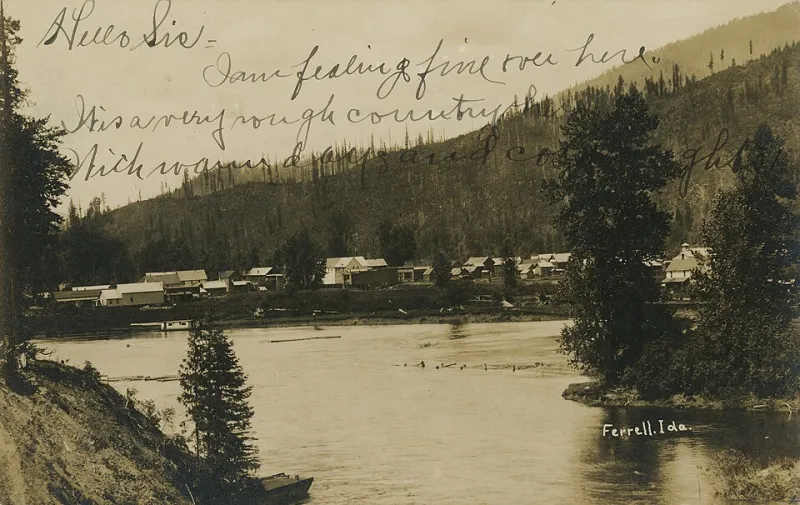
Her name was Mrs. Paulsen, and she had strawberries in June. You didn't need to check a website or read a label. You just knew, the way you knew that the Hendersons had sweet corn in August and that the egg man came on Thursdays. The food had faces. The people who grew it had names. And for most of American history, that was simply how things worked.
It's worth pausing on how completely that world has vanished — and how recently it actually existed.
When Food Had a Return Address
For the better part of two centuries, most American families maintained some form of direct relationship with the people who produced their food. In rural areas, this was obvious and immediate — you either grew food yourself or you bought it from someone nearby who did. But even in cities and towns, the supply chain was short enough that the human being at the start of it remained visible.
The milkman knew which families needed an extra quart on Sundays. The butcher knew which cuts your grandmother preferred and held them for her. The farm stand at the edge of town was run by the same family for decades, and the family's name was on the sign. You might not have known every detail of how the food was grown, but you knew who to ask. You knew who was accountable.
This wasn't a romantic ideal — it was practical infrastructure. A direct relationship with a producer meant you had recourse when something was wrong, information when you needed it, and a degree of trust that didn't require a government certification to underwrite it.
The Scale of What Changed
The consolidation of American agriculture over the second half of the twentieth century is one of the most dramatic structural transformations in the country's history, and it's one that most people outside the farming community have only a vague awareness of.
In 1935, there were approximately 6.8 million farms in the United States. By 2022, that number had fallen to around 2 million — a drop of more than 70 percent — even as the total amount of food produced increased enormously. The farms that remained got dramatically larger. Today, the top 10 percent of American farms by size account for roughly 80 percent of total agricultural output.
The food that results from this system travels accordingly. Studies consistently estimate that the average American meal includes ingredients that have traveled 1,500 miles or more from farm to plate. Some components — out-of-season produce, certain cuts of meat, processed ingredients — travel significantly farther, crossing state lines and national borders multiple times before reaching a grocery shelf.
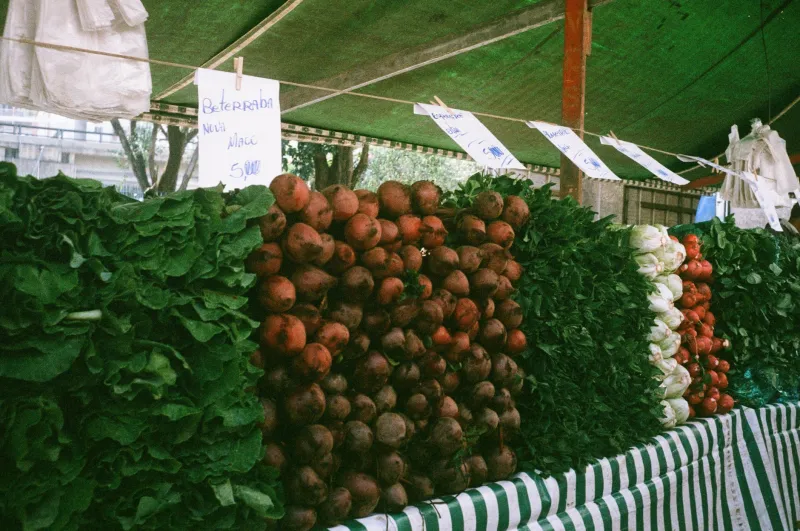
The producer at the start of that journey is, for all practical purposes, invisible. The sticker on your apple tells you it came from Washington State. It does not tell you anything about the orchard, the family or corporation that owns it, how the workers were treated, or what the soil looked like last spring.
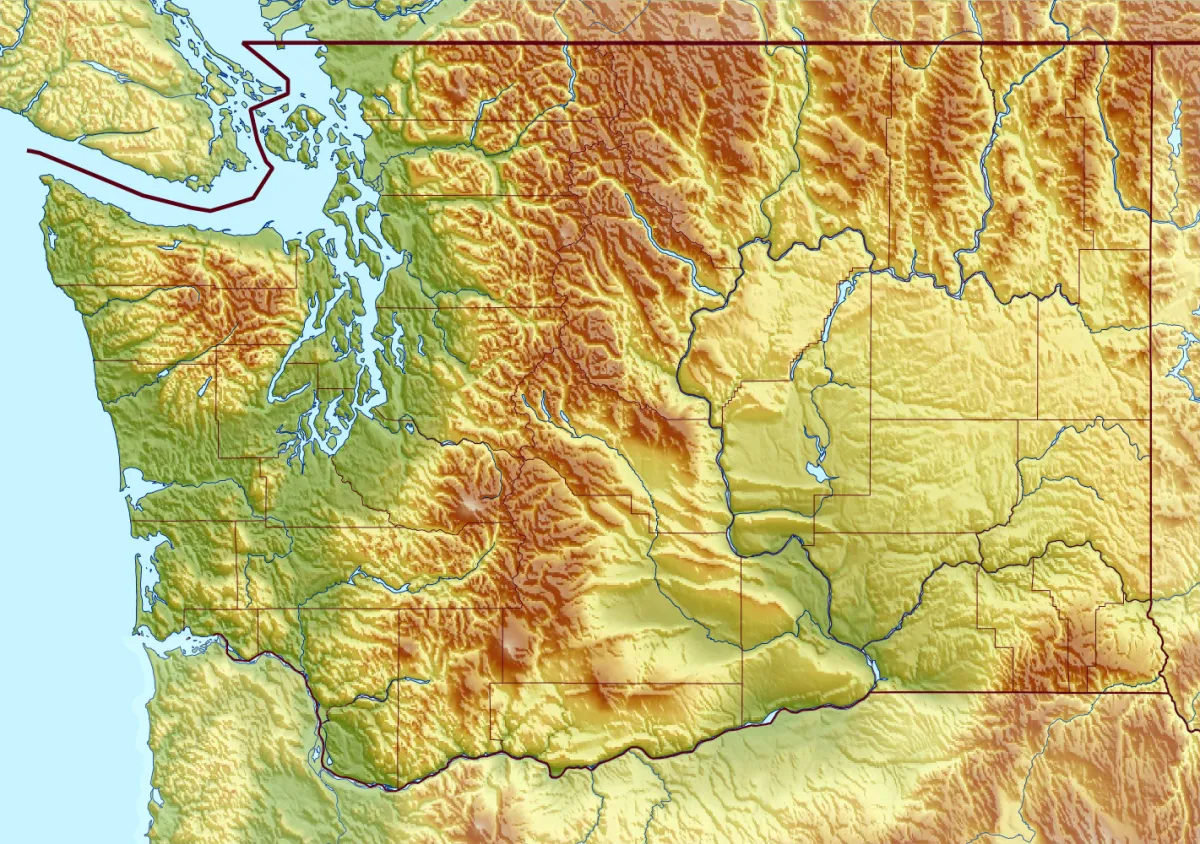 Photo: Washington State, via www.vidiani.com
The Machinery That Made It Happen
The shift wasn't accidental. Federal agricultural policy from the mid-twentieth century onward consistently incentivized scale. Subsidies flowed most generously to large producers of commodity crops — corn, soybeans, wheat. Small and mid-size farms found it increasingly difficult to compete on price, and many sold or simply stopped operating.
The rise of national supermarket chains accelerated the process. A regional grocery chain with fifty stores needed suppliers who could deliver uniform product in consistent quantities year-round. The small farm that grew exceptional tomatoes in July couldn't meet that brief. The large operation that grew acceptable tomatoes every month of the year could. Slowly, the supply chain reorganized itself around what the distribution system required, and the distribution system had no particular use for the human relationship.
Refrigerated trucking, containerized shipping, and global trade agreements completed the picture. By the 1990s, it was genuinely cheaper to grow certain vegetables in Chile, fly them to Los Angeles, and truck them to a store in Ohio than to source them from a farm in the next county. The economics made perfect sense. The human geography made none at all.
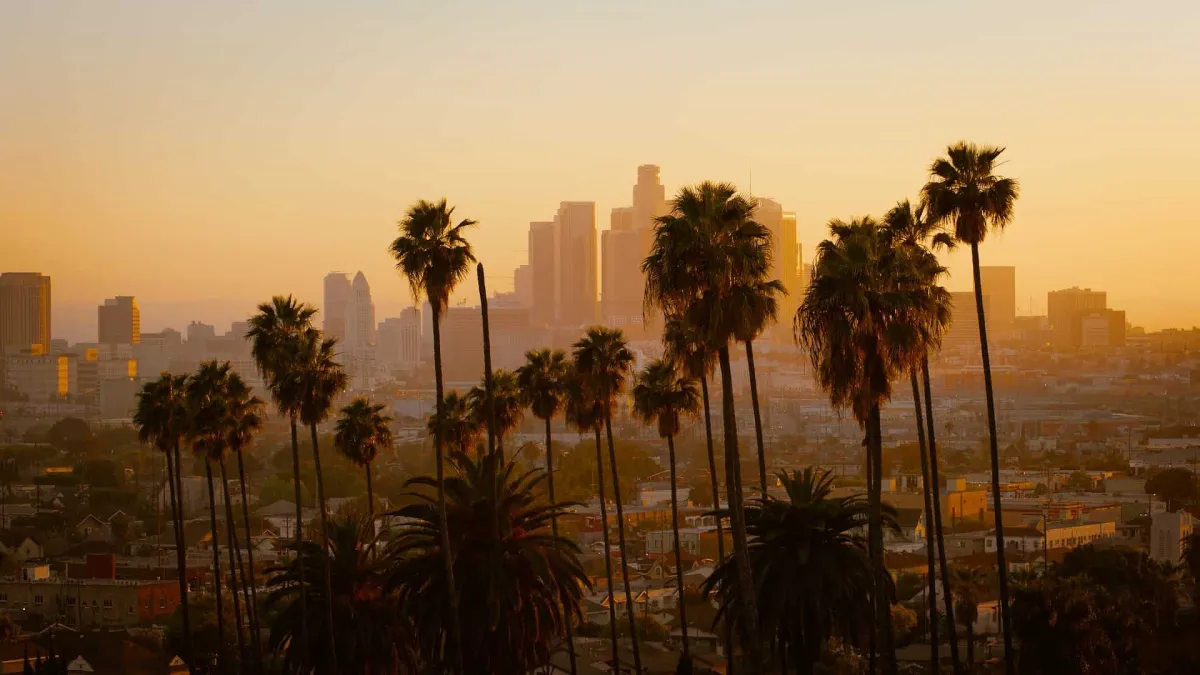 Photo: Los Angeles, via zaiyouji.com
Farm-to-Table: Revival or Boutique Echo?
The farm-to-table movement that emerged in the early 2000s positioned itself as a correction to all of this. Restaurants partnering with named local farms. Farmers markets proliferating in urban neighborhoods. Community-supported agriculture programs letting families buy directly from a specific producer each week. The language of connection — knowing your farmer, understanding your food — became a marketing category.
And some of it is genuine. The number of farmers markets in the US grew from roughly 1,700 in 1994 to more than 8,600 by the early 2020s. That's a real change, and it has created real relationships between real producers and real eaters.
But it's worth being clear about the scale. Farmers markets and CSA programs together account for a fraction of a percent of total US food sales. The farm-to-table movement, for all its cultural visibility, exists largely as a premium option for consumers with the income and proximity to access it. In many lower-income urban neighborhoods, a farmers market is not a practical alternative — it's an occasional event, if it exists at all.
What was once universal — knowing where your food came from because the supply chain was short enough to see — has become a lifestyle choice, available to those who can afford to seek it out. That's not a revival. It's a boutique echo of something that used to be ordinary.
What the Distance Actually Costs
The loss of a personal relationship with food production isn't purely sentimental. There are practical consequences to a system where accountability has been engineered out of the supply chain. Foodborne illness outbreaks affect more people because contamination spreads farther before it's detected. Environmental costs are harder to trace and assign. The working conditions of agricultural labor remain largely invisible to the people who benefit from it.
And there's something harder to measure but real nonetheless: the loss of a kind of knowledge. When you know the person who grows your food, you know things about seasons and soil and weather that no label can convey. You understand, in a concrete and personal way, that food comes from somewhere — that it has a history before it reaches your cart.
Mrs. Paulsen's strawberries were in season for about three weeks. You knew that because she told you, and because every June you waited for them. That waiting was information. It was also, in a quiet way, a relationship with the natural world that the global supply chain has made almost entirely optional.
The food still arrives. The name on the sign is just gone.