The Garage That Knew Your Car By Name: How Auto Repair Went From Trust to Upsell
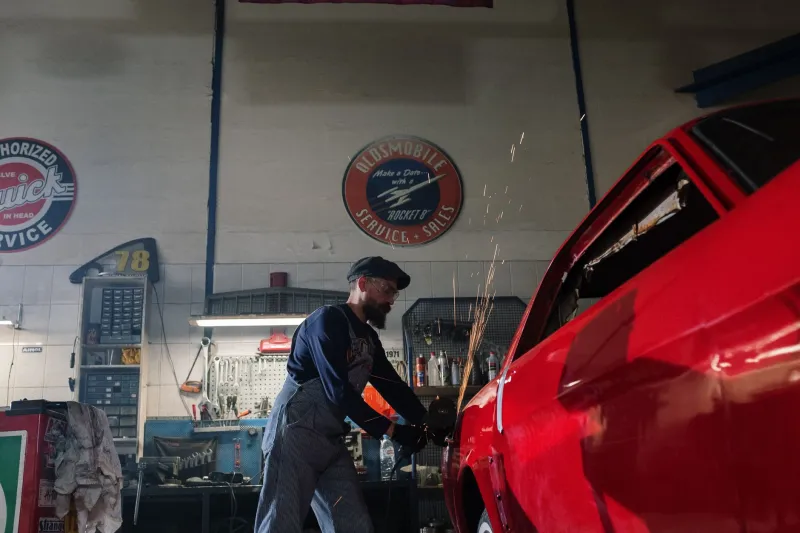
There was a time when the guy fixing your car was also the guy who coached your son's Little League team and waved at you from his driveway on Sunday mornings. The neighborhood mechanic wasn't just a service provider — he was a relationship. That relationship is almost entirely gone now, replaced by a tablet-wielding service advisor and a waiting room that smells like burnt coffee and quiet dread.
The shift happened gradually, the way most cultural losses do. You didn't notice it until you were already standing at a service counter being told your cabin air filter was "critical" and your transmission fluid was "a real concern," and somehow a simple oil change had turned into a $400 conversation you didn't ask for.
The Guy With Grease on His Hands
Through the 1950s, '60s, and well into the '80s, most American towns had at least one independent garage run by someone who knew cars the way a good doctor knows patients — personally, and over time. You'd pull in, describe the noise your engine was making, and he'd lean under the hood, poke around for ten minutes, and tell you what was wrong. No charge for that part. It was just how things worked.
The estimate was written on a piece of paper, sometimes in pencil. The price rarely changed between the estimate and the bill. If it did, he'd call you first. And if you were a regular — someone who'd been bringing your Buick in for years — there was a decent chance he'd throw in the labor on something small just because it was the right thing to do.
This wasn't nostalgia-colored fantasy. It was a functional economy built on repeat business and word-of-mouth reputation. A mechanic who cheated you once didn't get a one-star Yelp review. He got a whole neighborhood that stopped showing up.
When the Chains Moved In
The first major disruption came in the 1970s and '80s with the rise of franchise auto service chains. Jiffy Lube launched in 1979. Midas and Meineke expanded aggressively through the same era. These operations brought standardization and convenience — and with them, a business model built on volume and upselling.
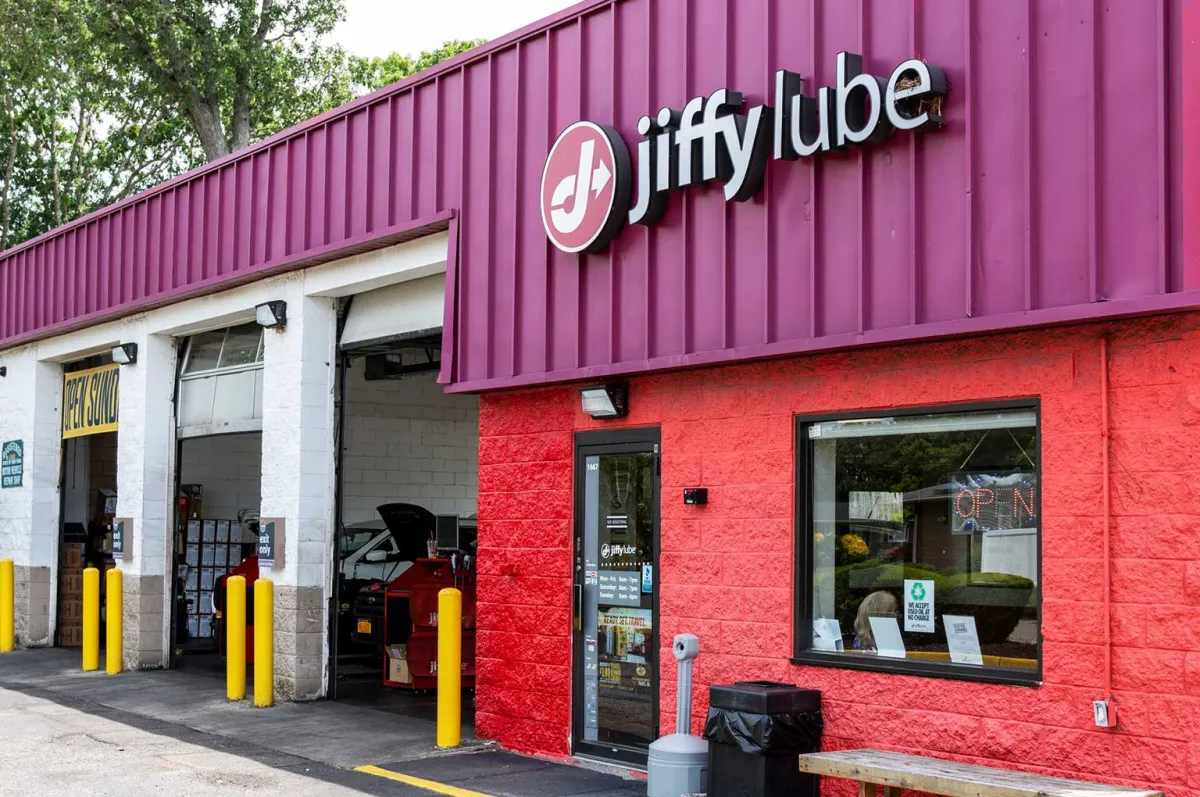 Photo: Jiffy Lube, via tigardlife.com
The mechanic who used to diagnose your car for free was replaced by a service writer whose job description quietly included hitting a sales target. The free look became a paid diagnostic. The plain-English explanation became a laminated chart showing you a "severity scale" for fourteen different services, most of which your car probably didn't need that day.
None of this was illegal. Some of it was even genuinely useful. But something in the transaction changed. The guy behind the counter wasn't trying to keep your car running for another decade. He was trying to close the visit at a certain dollar amount.
The Software Wall
Modern vehicles made things considerably worse. Today's cars are essentially rolling computers, and diagnosing them requires proprietary software that independent mechanics often can't fully access without expensive licensing agreements. Dealerships have capitalized on this aggressively, creating a service ecosystem where only they hold the full picture of what your car's onboard system is flagging.
The result is a two-tier repair world. Dealerships charge premium rates and have diagnostic access. Independent shops offer lower prices but sometimes work with incomplete information. The driver — already confused — ends up either overpaying at the dealer or playing a guessing game elsewhere.
Meanwhile, the average American now spends over $1,200 per year on vehicle maintenance and repairs, up significantly from previous decades even when adjusted for inflation. Some of that reflects genuinely more complex vehicles. But a meaningful portion reflects a service culture that has been architecturally designed to find more to fix.
What Actually Got Lost
The thing that disappeared wasn't just affordability. It was comprehension. The old neighborhood mechanic translated the mechanical world into plain language. He told you what was urgent, what could wait, and what wasn't worth worrying about at all. He gave you a framework for understanding your own car.
Today, most drivers leave a service appointment knowing less than when they arrived. They've been shown a digital inspection report with color-coded warnings, handed a receipt for services they half-agreed to, and sent on their way feeling vaguely managed rather than genuinely helped.
There's a liability dimension to this, too. Independent mechanics of an earlier era operated in a lower-litigation environment. They could make judgment calls, offer opinions, and occasionally say "honestly, don't bother fixing that" without worrying that the advice would come back to hurt them legally. Today's service culture is far more cautious — and caution, in the auto repair business, tends to mean recommending more rather than less.
A Few Still Exist
To be fair, the old-school independent garage hasn't entirely vanished. In smaller towns and older neighborhoods across the country, you can still find a mechanic who's been in the same building for thirty years, who remembers what you drive without looking it up, and who will tell you the honest truth about what your car needs. These shops tend to have loyal customers who treat the relationship like the valuable thing it actually is.
But they're operating against headwinds — rising parts costs, complex vehicle technology, and a younger generation of drivers who've never known anything different and don't realize there's something to miss.
The honest garage wasn't just a place to get your car fixed. It was a node in a community network of trust. When it disappeared, it took something with it that no franchise loyalty program has ever come close to replacing.