Three Questions and a Handshake: When Finding an Apartment Didn't Require a Credit Score

When Landlords Were People, Not Algorithms
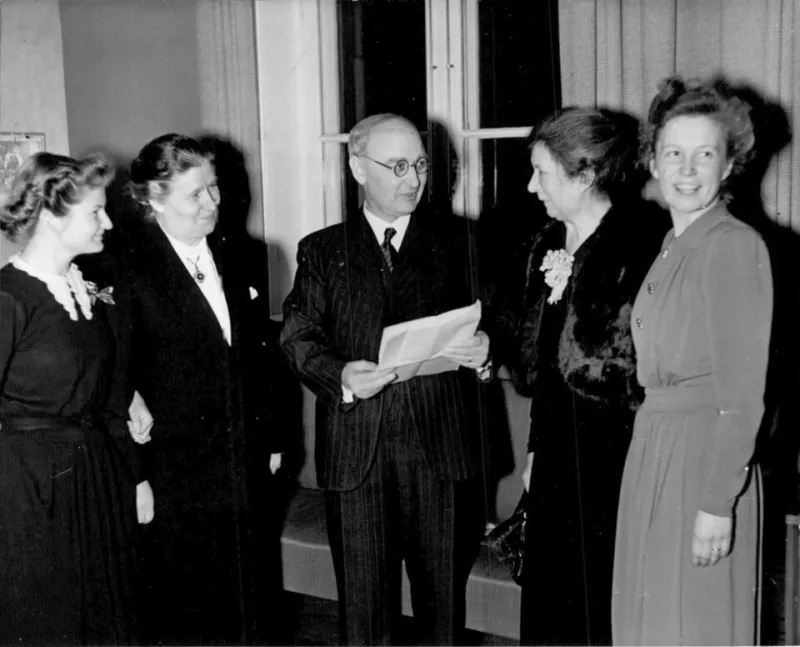
Meet Frank Kowalski, proud owner of a three-unit building on Milwaukee's south side in 1973. When someone responded to his "For Rent" sign, Frank would invite them inside, pour coffee, and spend twenty minutes getting to know them. He'd ask about their job, their family, maybe their hobbies. If they seemed honest and could pay the $125 monthly rent, Frank would shake their hand and hand over the keys that afternoon.
No credit checks. No background investigations. No first month, last month, and security deposit totaling three times the monthly rent. Frank trusted his judgment about people, and his judgment was usually right. His tenants stayed for years, treated the place like their own, and often became genuine friends.
The Art of Reading Character
Frank's approach wasn't unique—it was standard practice across America. Landlords relied on personal interviews, references from previous landlords, and their own ability to assess character. The entire rental process might take a single afternoon: see the apartment, meet the owner, provide a reference or two, and move in by the weekend.
The lease itself was often a single page outlining basic terms: monthly rent, utilities responsibility, and maybe a clause about pets. Frank kept his lease agreements in a manila folder, filed by apartment number. When tenants had problems—a leaky faucet, a broken window, or trouble making rent during a rough month—they knocked on Frank's door and worked things out person to person.
The Rise of Professional Property Management
By the 1980s, real estate investment companies began buying up small apartment buildings like Frank's. The new owners hired property management firms to handle day-to-day operations, introducing "professional standards" and "systematic procedures" designed to minimize risk and maximize returns.
What started as a quest for efficiency gradually transformed into an elaborate screening apparatus. Property managers argued that credit checks and background investigations protected both landlords and tenants by ensuring only qualified renters occupied apartments. Fair Housing laws, while necessary for preventing discrimination, also pushed landlords toward standardized, defensible criteria that could be applied uniformly to all applicants.
The Modern Rental Gauntlet
Today's apartment hunt resembles a financial obstacle course more than Frank's coffee-and-conversation approach. Prospective tenants must navigate a complex system designed to extract maximum information while minimizing human judgment.
The process typically begins online, where listings provide minimal information while demanding extensive personal details. Before scheduling a viewing, many property management companies require pre-qualification: proof of income (usually 2.5 to 3 times the monthly rent), credit score verification, and employment confirmation.
Application fees alone can cost $50 to $150 per apartment—money that's rarely refunded even if you're rejected. Some companies charge separate fees for credit checks, background screenings, and administrative processing. In competitive markets like San Francisco or New York, renters might spend $500 or more just applying to apartments they may never get to rent.
 Photo: San Francisco, via hdwallpaperim.com
The Algorithm Knows Best
Modern rental applications are processed by software that reduces human applicants to data points. Credit scores, debt-to-income ratios, and employment history get fed into algorithms that spit out approval or rejection decisions. The property manager reviewing your application may never see your face or hear your voice—they're simply implementing decisions made by automated systems.
This algorithmic approach creates absurd situations: a teacher with steady employment might get rejected because their credit score dropped during a medical emergency, while someone with inherited wealth but no job history gets approved instantly. The nuanced judgment that landlords like Frank once applied—considering character, circumstances, and potential—has been replaced by rigid numerical criteria.
The Corporate Landlord Experience
Once you're approved and have paid the various fees (first month, last month, security deposit, pet fees, administrative charges), you'll likely never meet the actual property owner. Instead, you'll interact with property management staff who rotate frequently and follow corporate policies that leave little room for flexibility or common sense.
Maintenance requests get submitted through online portals. Rent increases arrive via automated notices. When problems arise—and they will—you'll navigate phone trees and email systems designed to minimize human interaction while maximizing documentation for potential legal disputes.
The Trust Deficit
The transformation from Frank's handshake system to today's bureaucratic maze reflects a broader erosion of trust in American society. We've replaced human judgment with algorithmic assessment, personal relationships with corporate procedures, and community connections with liability management.
This shift has real consequences beyond inconvenience. The current system systematically excludes people who might have been excellent tenants under the old model: young adults with limited credit history, immigrants without established financial records, or anyone who's experienced temporary setbacks that show up on background checks.
What the Numbers Miss
Frank's intuitive approach to tenant selection actually worked remarkably well. His three apartments rarely sat vacant, his tenants maintained the property carefully, and evictions were virtually nonexistent. The personal connection created accountability on both sides: tenants felt responsible to someone they knew and respected, while Frank felt obligated to maintain decent housing for people he considered neighbors.
Modern property management, despite all its sophisticated screening tools, often produces worse outcomes: higher turnover, more property damage, and adversarial relationships between landlords and tenants who never develop any personal connection.
The Price of Progress
The professionalization of rental housing was supposed to make the process fairer and more efficient. Instead, it's created a system that's more expensive, more time-consuming, and more dehumanizing than the handshake deals it replaced.
When we traded Frank's coffee-and-conversation approach for credit scores and corporate algorithms, we gained legal protections and lost human connections. We got standardized procedures and forfeited the flexibility that comes from dealing with actual people. We embraced professional management and abandoned the kind of community relationships that once made renting feel like joining a neighborhood rather than signing a contract.
Somewhere in a filing cabinet, Frank's old manila folder still holds those single-page lease agreements—simple documents that somehow managed to house families successfully for decades without requiring a financial investigation worthy of a mortgage application.