The Summer That Didn't Break the Bank: How Family Getaways Became a Luxury Good
When Dad's Paycheck Covered the Whole Trip
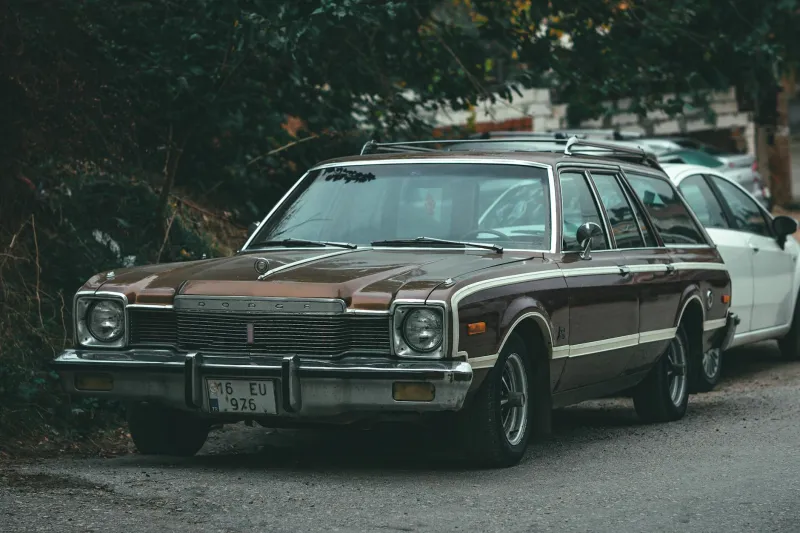
In 1972, Bill Henderson worked the line at a Ford plant in Dearborn, pulling down about $140 a week. Every July, he'd pack his wife and three kids into their Galaxie 500 and drive eight hours to a beachfront motel in Myrtle Beach. The room cost $12 a night. Gas for the round trip ran maybe $8. Meals out, mini golf, a few souvenirs — the whole week came to roughly $120, less than what Bill earned in five days.
 Photo: Ford Galaxie 500, via thevaultms.com
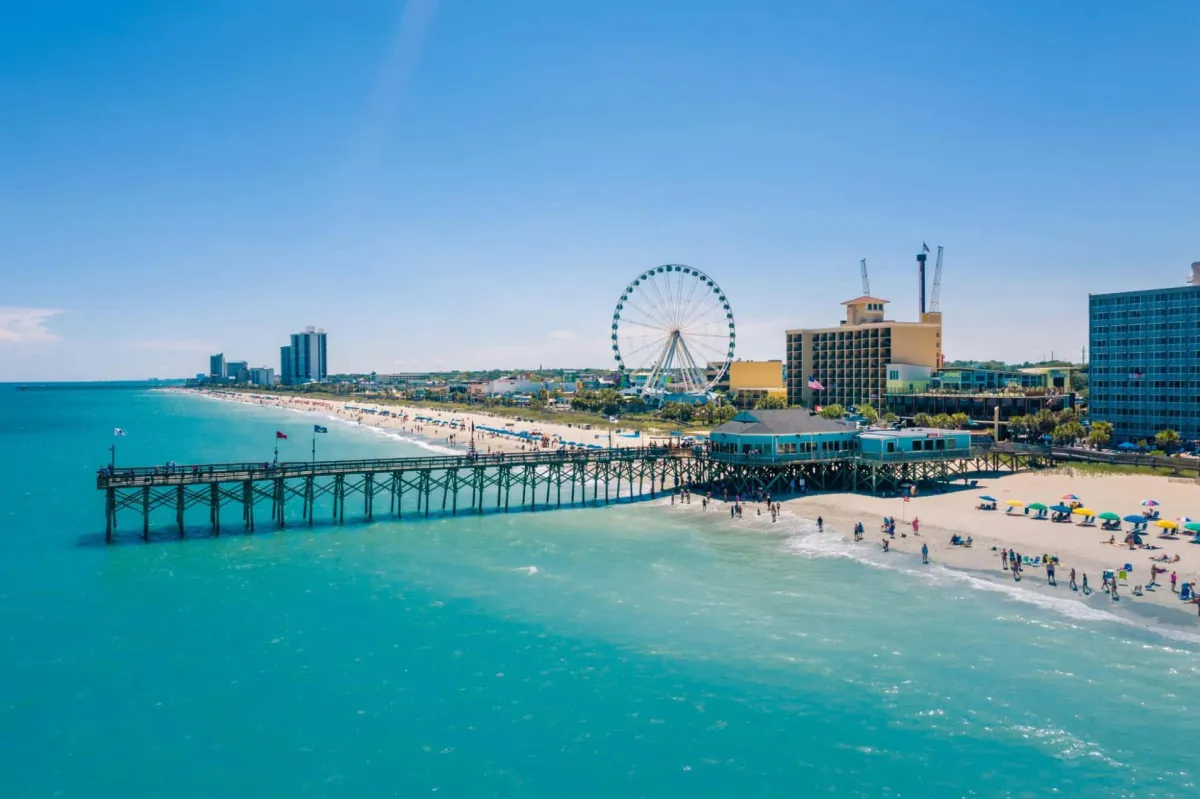 Photo: Myrtle Beach, via wallpapers.com
Today, that same trip would devour a month's take-home pay for the average American worker.
The Math That Stopped Adding Up
The numbers tell a stark story. In 1970, a typical beach vacation for a family of four — including lodging, meals, gas, and activities — cost about 15% of the median household's monthly income. By 2023, that percentage had tripled to nearly 45%.
It wasn't just inflation. Everything that made vacations accessible got systematically more expensive relative to wages. Hotel rooms that once charged $15 now demand $200, but the average worker's daily earnings haven't kept pace. A gallon of gas cost 36 cents in 1972 when the minimum wage was $1.60 — about 23% of an hour's work. Today's gas prices eat up roughly the same percentage, but everything else exploded.
The Motel 6 Era
Remember when "budget" accommodations were actually budget? The roadside motor lodge wasn't a compromise — it was the standard. These weren't luxury destinations trying to squeeze every dollar from guests. They were simple, clean rooms with two beds, a bathroom, and maybe a pool. No resort fees, no parking charges, no mandatory valet service.
Tom Bodett's famous Motel 6 slogan — "We'll leave the light on for you" — captured something real about American travel. These places existed for regular working families, not as bottom-tier options for people who couldn't afford "real" hotels.
The business model was straightforward: high volume, low margins, repeat customers. A motel owner in Ocean City made money by filling 50 rooms at $18 each, not by charging $180 for five rooms loaded with fees.
When Airlines Were Buses With Wings
Air travel tells the same story. In 1978, the year of airline deregulation, a coast-to-coast flight cost about $1,400 in today's money. Expensive, yes, but that included a meal, checked bags, and seat selection. More importantly, there were only two prices: coach and first class.
The promise of deregulation was lower fares through competition. And base fares did drop — but only if you were willing to accept a transportation experience that previous generations would have found insulting. Today's "cheap" flight nickel-and-dimes passengers for everything that was once included, often pushing the real cost above those regulated-era prices.
The Attraction Industrial Complex
Even roadside attractions joined the price spiral. The quirky dinosaur park or mystery house that charged 50 cents admission became the $45-per-person theme park experience. What changed wasn't just the scale — it was the philosophy.
Old-school tourist traps were mom-and-pop operations designed to separate travelers from pocket change. Modern attractions are engineered by MBA teams to maximize revenue per visitor through dynamic pricing, upselling, and creating artificial scarcity.
The Credit Card Vacation
Perhaps the biggest shift was psychological. Dad's generation saved up for vacation and paid cash. If they couldn't afford it outright, they didn't go. The idea of borrowing money for a pleasure trip seemed irresponsible, even reckless.
Today, vacation debt is so normal we have specialized credit cards for it. The average American carries $1,200 in vacation debt, and that's considered modest. We've normalized the idea that leisure requires financing, that a "good" vacation should stress your budget.
The Two-Tier System
Modern travel split into two extremes: ultra-budget options that feel punitive and luxury experiences priced for the wealthy. The comfortable middle ground — decent rooms at fair prices, included amenities, family-friendly pricing — largely disappeared.
This isn't an accident. The hospitality industry discovered that affluent travelers would pay premium prices for premium experiences, while budget travelers had no choice but to accept whatever was offered. The middle market, where most families once vacationed, became unprofitable.
What We Lost
When family vacations moved from routine to luxury, we lost more than affordability. We lost the shared cultural experience of summer road trips, of kids comparing notes about different beaches and attractions, of parents having a common reference point for relaxation.
The Henderson family's week in Myrtle Beach wasn't just about the destination. It was about the possibility — the knowledge that hard work could buy not just necessities, but genuine leisure. That a factory worker's family could experience the same pleasures as anyone else, just in a more modest setting.
Today's vacation inequality mirrors broader economic stratification. Where once most Americans vacationed in roughly similar ways — different destinations, same basic experience — now there's a vast gulf between the cramped budget flight to a bare-bones resort and the first-class trip to an all-inclusive paradise.
The Road Back
The math of affordable family vacations isn't impossible to solve. It requires businesses willing to serve the middle market profitably and workers earning wages that grow with the cost of living. Some signs point toward change: vacation rentals creating competition for hotels, budget airlines forcing legacy carriers to compete on price.
But the deeper question remains: Do we still believe that leisure should be accessible to working families? Or have we accepted that real vacations are rewards for economic success, not simple pleasures that make hard work worthwhile?
The answer shapes not just where Americans spend their summers, but who gets to rest, recharge, and create memories with their children.