Five Bucks and a Warning: How Traffic Tickets Became America's Pay-to-Drive System
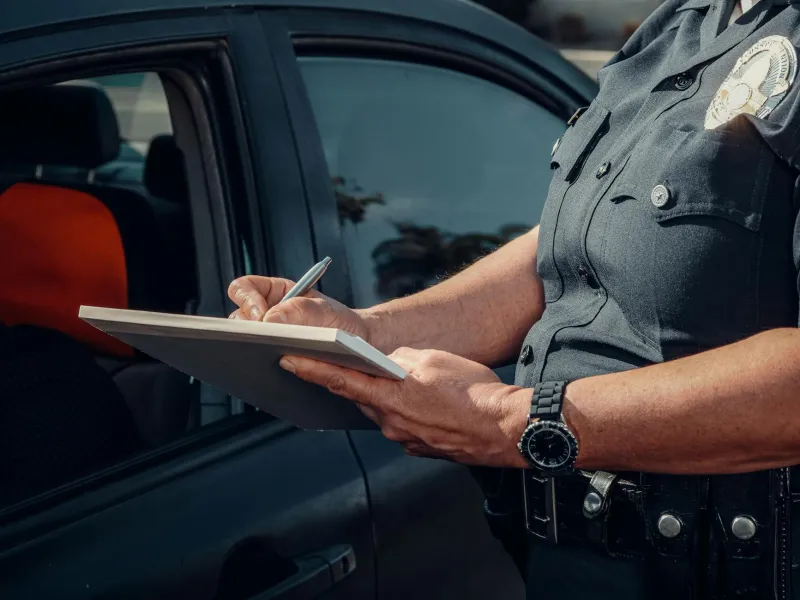
In 1970, getting caught speeding in most American towns meant fishing five dollars out of your wallet and listening to Officer Murphy explain why you shouldn't do 45 in a 25 zone. The fine stung just enough to make you think twice, but not enough to derail your monthly budget. Fast-forward fifty years, and that same violation can easily cost $300, plus court fees, plus surcharges, plus traffic school—assuming you can afford to avoid the license suspension that comes with unpaid tickets.
When Traffic Enforcement Was About Traffic
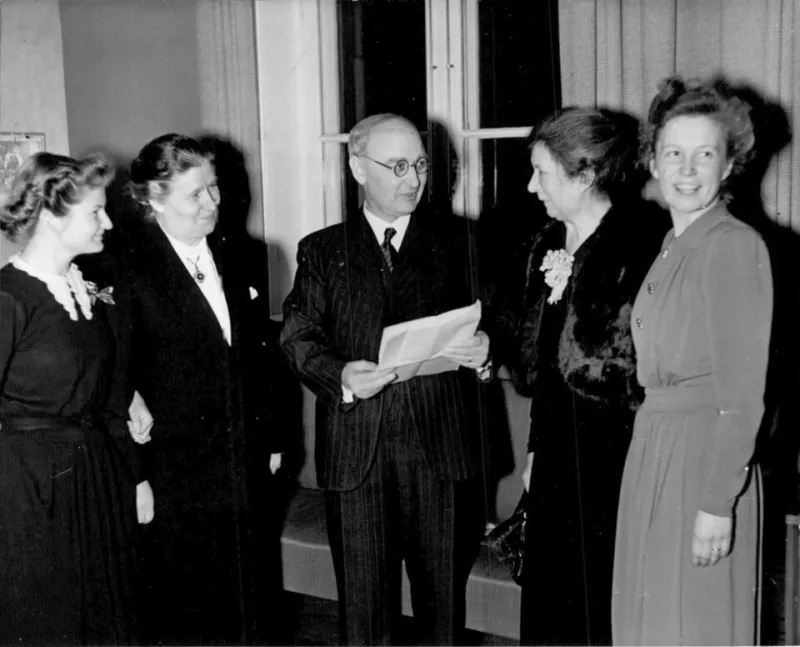
The police officer who pulled you over in 1965 had one job: keep the roads safe. He knew the local troublemakers, recognized repeat offenders, and had the discretion to turn a potential ticket into a teachable moment. If you were respectful, explained you were rushing to the hospital, or simply looked like you'd learned your lesson, there was a decent chance you'd drive away with nothing more than a memorable lecture about responsibility.
Fines were set by local judges who understood what working families could afford. A $5 speeding ticket represented about an hour's wages for the average worker—painful enough to be memorable, reasonable enough to be paid without choosing between the fine and groceries. The system assumed most people would learn from their mistakes and move on.
The Revenue Revolution
Everything changed when cash-strapped municipalities discovered that traffic enforcement could fill budget holes. What started as a public safety measure gradually transformed into a sophisticated revenue operation. Modern traffic fines aren't designed around deterrence or education—they're calibrated to maximize municipal income while staying just below the threshold that would trigger widespread revolt.
Today's $200 speeding ticket isn't an accident of inflation. It's the product of careful calculation: high enough to generate meaningful revenue, low enough that middle-class drivers will grudgingly pay rather than fight. But for the millions of Americans living paycheck to paycheck, these fines represent a fundamentally different reality.
The Automated Trap
The friendly neighborhood cop with discretionary power has been largely replaced by red-light cameras, speed traps, and automated systems that treat every violation as a revenue opportunity. These cameras don't care if you're rushing to pick up a sick child or if you've never had a ticket in twenty years. They don't distinguish between the reckless driver who blows through school zones and the grandmother who rolls through a stop sign at 2 AM on an empty street.
The human element—that crucial ability to assess context and respond with appropriate proportionality—has been systematically removed from traffic enforcement. What we gained in consistency, we lost in common sense.
The Spiral of Escalating Consequences
Perhaps the cruelest evolution has been the transformation of unpaid tickets from minor inconveniences into life-altering catastrophes. Miss a court date because you're working two jobs and can't take time off? Your fine doubles, and a warrant gets issued. Can't afford the doubled fine? Your license gets suspended. Get caught driving on a suspended license because you still need to get to work? Now you're facing jail time.
This escalating penalty structure has created a two-tiered justice system where the wealthy pay their way out of consequences while the poor get trapped in an inescapable cycle. The same violation that costs a suburban professional a few hundred dollars can destroy a working-class family's financial stability for years.
The Hidden Tax on Mobility
Modern traffic enforcement has evolved into something the founders never could have imagined: a tax on the fundamental American right to move freely. In a country built around car ownership, where public transit is sparse and walking to work is often impossible, the threat of license suspension becomes a tool of economic control.
Cities now budget traffic fine revenue years in advance, building these penalties into their financial planning like any other tax stream. Ferguson, Missouri, became infamous for generating 40% of its municipal revenue through fines and court fees, but it wasn't unique—it was simply the most extreme example of a nationwide trend.
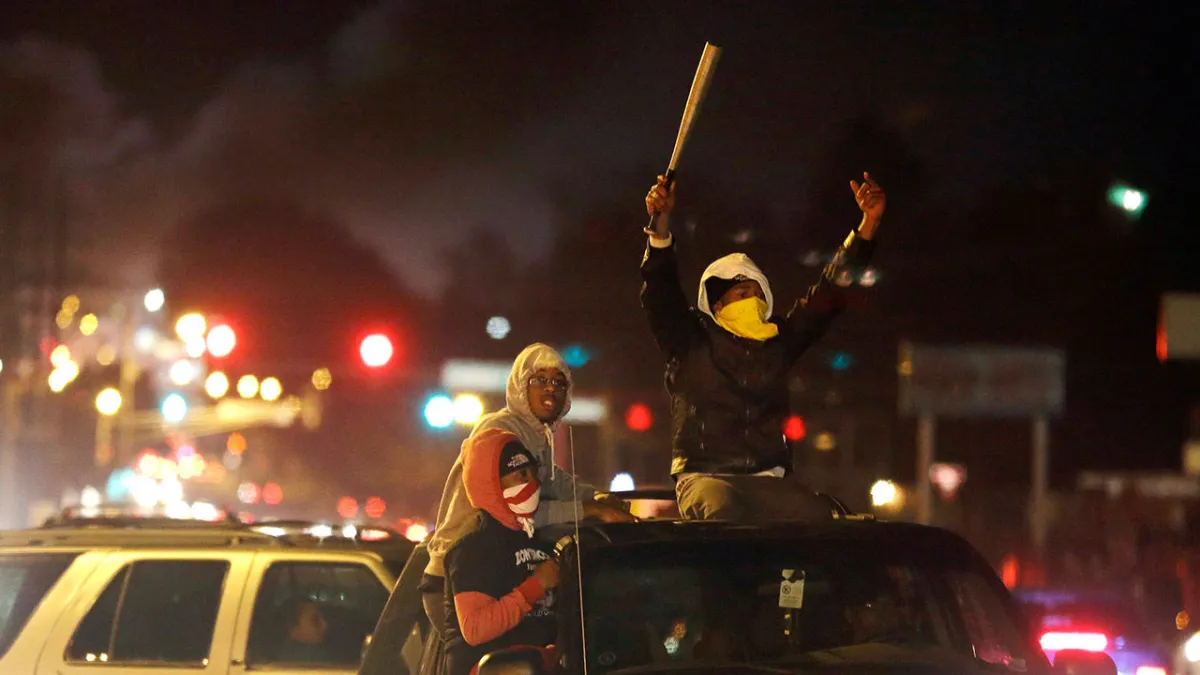 Photo: Ferguson, Missouri, via cdn.abcotvs.com
The Lost Art of Proportional Justice
What we've lost isn't just the five-dollar ticket—it's the principle that punishment should fit both the crime and the person committing it. The old system wasn't perfect, and it certainly had its problems with inconsistency and bias. But it operated on the revolutionary idea that a traffic violation should be handled like a traffic violation, not treated as an opportunity to extract maximum revenue from citizens.
The friendly warning, the second chance, the understanding that good people sometimes make minor mistakes—these weren't bugs in the old system. They were features that recognized the difference between human error and criminal behavior.
The Road Forward
Today's drivers navigate a landscape where every intersection might hide a camera, every speed limit change might conceal a trap, and every violation threatens financial ruin. We've created the most efficient traffic enforcement system in history, but we've lost something essential in the process: the understanding that the goal was never to punish drivers into poverty, but to keep everyone safe while getting where they need to go.
The five-dollar ticket and the lecture from Officer Murphy didn't just represent cheaper enforcement—they represented a fundamentally different relationship between citizens and their government, one where the punishment truly fit the crime.