When School Lunch Actually Smelled Good: The Era Before Heat-and-Serve Took Over

When Lunch Ladies Were Actually Cooks
Every morning at 6:30 AM, Dorothy Martinez would unlock the kitchen doors at Roosevelt Elementary and begin preparing lunch for 400 hungry kids. By 7 AM, the aroma of fresh bread dough and simmering soup stock would drift through the hallways, creating an anticipation that made even the most restless third-graders look forward to 11:45.
 Photo: Dorothy Martinez, via www.uclahealth.org
 Photo: Roosevelt Elementary, via www.dlrgroup.com
Dorothy and her team of four kitchen staff didn't heat up pre-packaged meals or tear open industrial-sized bags of frozen vegetables. They peeled potatoes, seasoned ground beef, and rolled out pizza dough by hand. Their kitchen contained actual cooking equipment: massive mixers for bread dough, stockpots that could feed a small army, and ovens large enough to roast dozens of chickens simultaneously.
The Sensory Experience of Real Food
Walk into any elementary school in 1980 around lunchtime and your senses would be overwhelmed by authentic food preparation. The sound of industrial mixers whipping mashed potatoes. The sight of steam rising from freshly opened ovens. The unmistakable smell of homemade rolls browning to perfection.
Lunch menus featured recognizable meals that kids might eat at home: fried chicken with mashed potatoes and gravy, spaghetti with meat sauce and garlic bread, or beef stew with fresh cornbread. Vegetables came from industrial-sized cans, but they were seasoned, cooked, and served with care. Desserts were often made from scratch—chocolate chip cookies, fruit cobblers, or sheet cakes for special occasions.
The lunch experience itself felt communal and unhurried. Kids had 45 minutes to eat, socialize, and digest their food properly. Cafeteria workers knew students by name and would often slip an extra dinner roll to a kid who seemed particularly hungry or was having a tough day.
The Federal Takeover of School Meals
The National School Lunch Program, established in 1946, originally functioned as both a nutrition program and an agricultural subsidy system. Schools received federal commodity foods—surplus cheese, peanut butter, canned vegetables—along with cash reimbursements to prepare balanced meals for students.
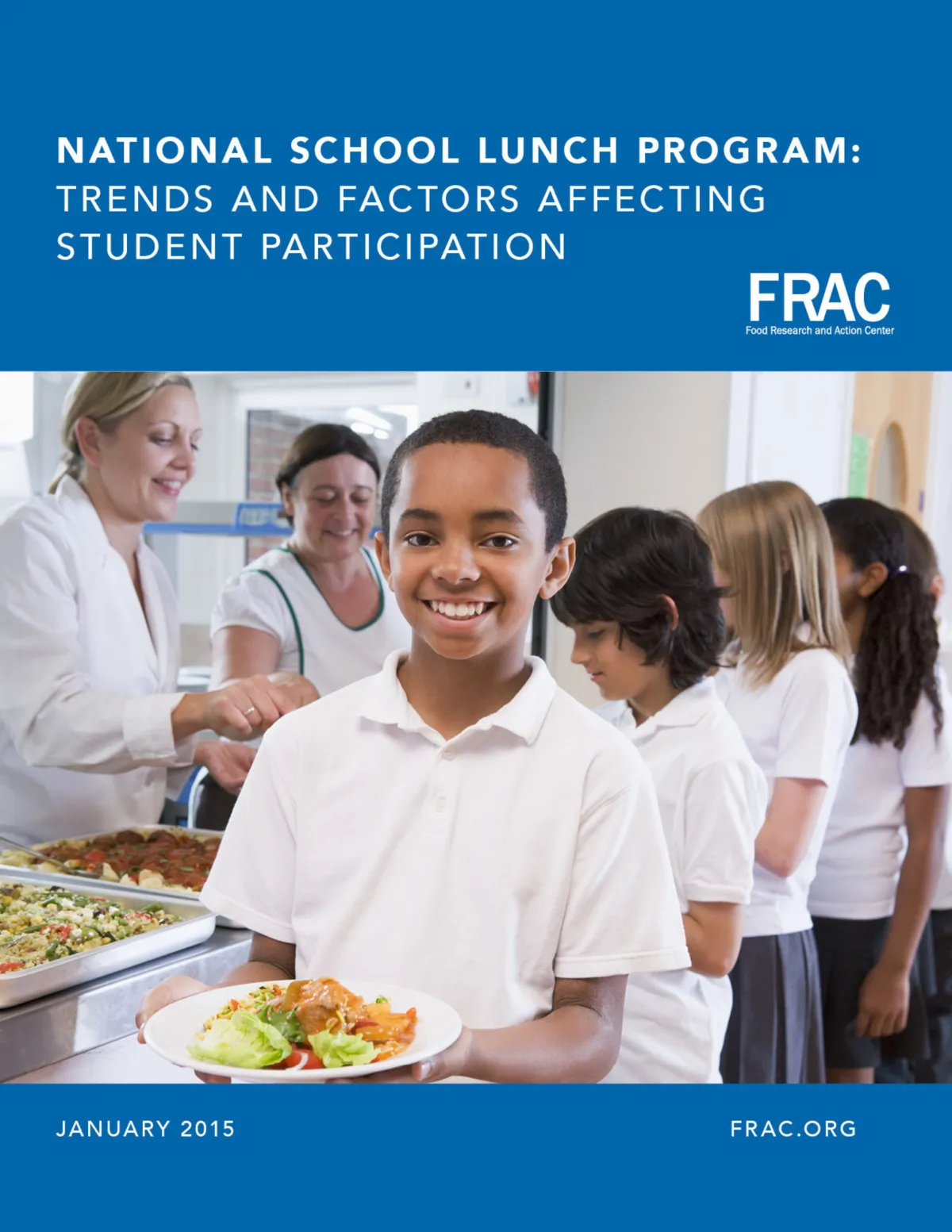 Photo: National School Lunch Program, via photos.prnewswire.com
This system worked reasonably well when schools maintained full kitchen facilities and employed trained food service staff. But as federal regulations became more complex and budgets tightened, many districts began looking for ways to reduce labor costs and simplify operations.
The 1980s brought significant changes to school food service. Corporate food service companies like Aramark and Sodexo began contracting with school districts, promising cost savings and regulatory compliance. These companies specialized in efficiency: centralized food preparation, standardized portion control, and streamlined serving systems.
The Rise of Heat-and-Serve
By the 1990s, many school kitchens had been transformed from cooking facilities into reheating stations. Fresh ingredients were replaced by pre-prepared, individually portioned meals that arrived frozen and required only heating before service. The industrial mixers and stockpots disappeared, replaced by convection ovens and warming trays.
This new system promised numerous advantages: reduced labor costs, consistent portion sizes, improved food safety, and easier compliance with federal nutrition standards. What it actually delivered was a generation of students who learned to associate school lunch with the distinctive taste and texture of mass-produced, reheated food.
The sensory experience of school lunch changed dramatically. Instead of the aroma of fresh cooking, cafeterias now smelled like industrial food service: a vaguely institutional blend of processed cheese, preservatives, and steam from warming trays. The visual appeal suffered as well—pre-portioned meals looked exactly like what they were: factory-produced food units designed for efficiency rather than appetite.
Nutrition by Algorithm
Modern school lunch programs operate under incredibly detailed federal guidelines that specify minimum and maximum amounts of grains, vegetables, fruits, proteins, and dairy products. These regulations, while well-intentioned, have turned meal planning into a mathematical exercise rather than a culinary one.
Food service directors spend their time calculating nutrient profiles and sodium levels rather than considering whether kids will actually eat what's being served. Meals must meet specific caloric ranges, contain prescribed amounts of whole grains, and include vegetables from designated subgroups. The result is often nutritionally compliant food that bears little resemblance to anything a child might recognize as an actual meal.
The Unintended Consequences
The industrialization of school lunch has created several problems that Dorothy Martinez's generation of lunch ladies never faced. Food waste has skyrocketed as students reject meals that look and taste like processed food products. Many kids now bring lunch from home or simply skip eating, undermining the program's basic nutrition goals.
The social aspect of lunchtime has also suffered. Shortened lunch periods (often 20 minutes or less) force students to eat quickly rather than enjoy their food and socialize with friends. Cafeteria workers, now focused on efficiency and compliance, have less time to develop relationships with students or accommodate individual preferences.
What the Data Doesn't Measure
Federal agencies track participation rates, nutritional compliance, and cost per meal, but they don't measure the intangible benefits that Dorothy's kitchen provided: the comfort of familiar smells, the satisfaction of a carefully prepared meal, or the sense of community that came from sharing food prepared by people who cared about the children they served.
Modern school food service excels at delivering consistent, regulated nutrition units to large numbers of students efficiently. But it has largely abandoned the idea that meals should be pleasurable, that food preparation can be an expression of care, or that lunchtime should be a positive part of a child's school experience.
The Lost Art of Institutional Cooking
Dorothy Martinez retired in 1995, just as her school district transitioned to a heat-and-serve system. Her replacement wasn't a cook but a "food service coordinator" whose primary responsibilities involved inventory management, regulatory compliance, and operating reheating equipment.
The institutional knowledge that Dorothy represented—how to prepare large quantities of food that actually tasted good, how to work within tight budgets while maintaining quality, how to create meals that brought joy to children's days—largely disappeared with her generation.
Feeding Bodies vs. Nourishing People
The transformation of school lunch from Dorothy's scratch-cooked meals to today's heat-and-serve systems reflects a broader shift in how we think about institutional food service. We've optimized for efficiency, compliance, and cost control while largely ignoring the sensory, social, and emotional aspects of eating.
When we traded actual cooking for reheating, we gained regulatory compliance and lost the aromas that once made school hallways smell like home. We got consistent portion control and forfeited the human touch that made lunch feel like care rather than fuel delivery. We embraced scientific nutrition and abandoned the simple pleasure of food that actually tasted good.
Somewhere in a storage room, Dorothy's old recipe cards still exist—handwritten instructions for feeding hundreds of children meals they actually wanted to eat. They represent a different approach to institutional food service, one that understood feeding people involves more than just delivering required nutrients in acceptable packages.