Behind the Counter: When Your Neighborhood Pharmacist Actually Had Time to Care
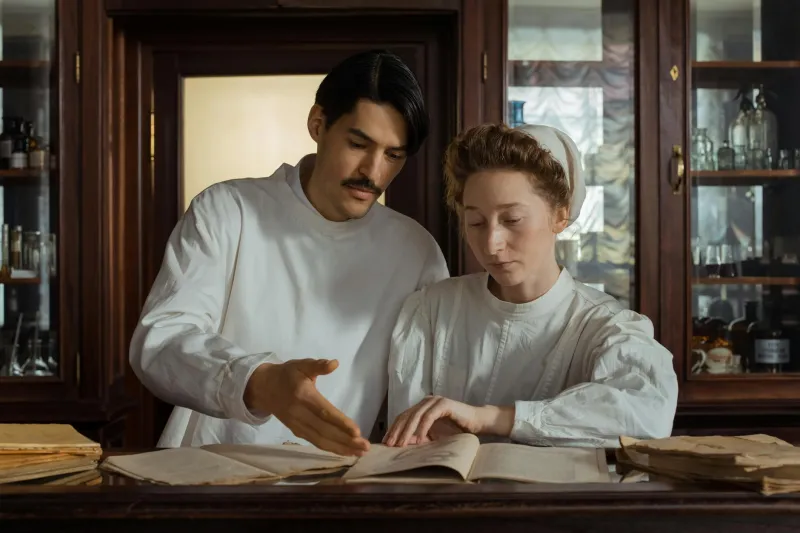
The Druggist Who Knew Your Story
Walk into Rexall Pharmacy in downtown Springfield, Illinois, circa 1965, and you'd find Harold Morrison behind a mahogany counter that had seen three decades of service. Harold knew that Mrs. Patterson's arthritis flared up before rainstorms, that young Tommy Chen was allergic to penicillin, and that the Kowalski family always needed their diabetes medication refilled on the fifteenth of each month.
 Photo: Springfield, Illinois, via files.idss.com
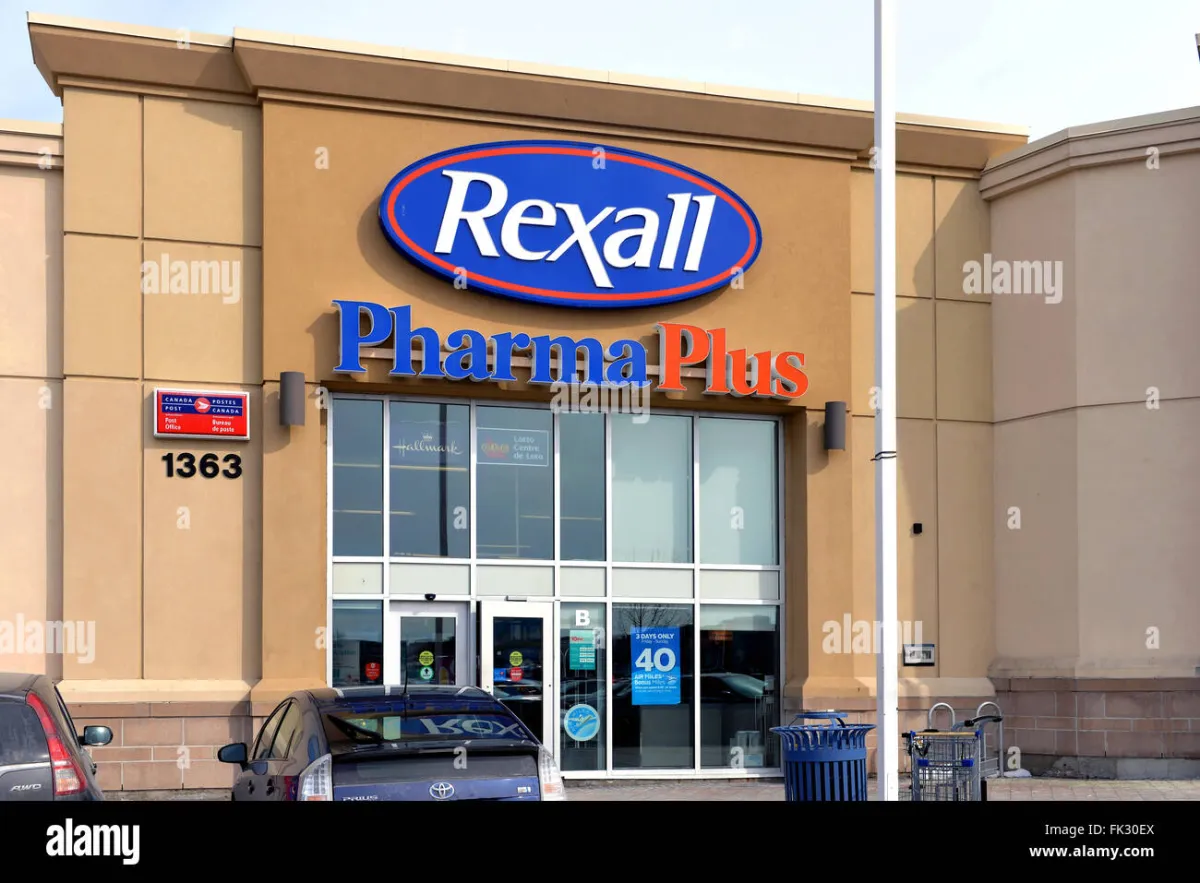 Photo: Rexall Pharmacy, via c8.alamy.com
The prescription process was refreshingly straightforward: you handed Harold a slip of paper from Dr. Williams, he disappeared into the back room for ten minutes, and returned with a small amber bottle and a brief consultation about side effects. No computer terminals. No insurance networks. No automated phone trees asking you to "press one for refills."
When Medicine Was Still Personal
Harold's pharmacy occupied a corner storefront with wooden floors that creaked pleasantly underfoot. Glass-fronted cabinets displayed an array of remedies, from aspirin to zinc oxide, while a soda fountain in the corner served cherry Cokes to kids whose mothers were picking up prescriptions. The entire operation employed Harold, his wife Margaret, and one part-time high school student who restocked shelves after school.
The pace allowed for genuine interaction. Harold could explain why you shouldn't take your new blood pressure medication with grapefruit juice, or suggest an over-the-counter alternative that might work just as well for your headaches. He'd call Dr. Williams directly if something seemed off about a prescription, and he maintained handwritten records of every customer's medication history in a filing cabinet that Margaret organized with military precision.
The Corporate Takeover of Corner Stores
By 1985, chains like Walgreens and CVS had begun their methodical acquisition of independent pharmacies. The promise was efficiency: computerized inventory, insurance processing, and standardized procedures that would eliminate human error. What actually happened was the transformation of neighborhood healthcare into retail transactions.
The new model prioritized volume over relationships. Pharmacists found themselves processing hundreds of prescriptions daily instead of dozens, leaving little time for the consultations that had once defined their profession. Insurance companies inserted themselves as middlemen, creating layers of bureaucracy that slowed everything down while supposedly making it more efficient.
Drive-Through Medicine and Digital Delays
Today's pharmacy experience begins before you even enter the building. Automated systems send you text messages about refills, mobile apps promise "one-click ordering," and drive-through windows let you collect medications without human contact. Yet somehow, these technological advances have made everything slower and more complicated.
Step into a modern CVS on any Tuesday afternoon and you'll encounter a scene that would baffle Harold Morrison: twenty people clutching numbered tickets, waiting in a serpentine line that snakes past the greeting cards and seasonal candy displays. Behind the counter, two overwhelmed pharmacists juggle phone calls, insurance disputes, and a computer system that seems to crash whenever someone needs anything urgently.
The "consultation" that pharmacists are legally required to offer has become a hurried recitation of side effects read from a computer screen. "This may cause drowsiness, don't drink alcohol, call your doctor if you experience unusual symptoms." The entire interaction takes thirty seconds, assuming the system doesn't freeze while processing your insurance information.
The Hidden Cost of Efficiency
Modern pharmacy chains promise convenience, but they've actually made getting medication more stressful than ever. Insurance networks restrict which pharmacies you can use, forcing customers to drive across town to fill prescriptions. Prior authorizations can delay critical medications for days while bureaucrats review paperwork. And the pharmacists themselves, buried under impossible workloads, have become glorified pill-counting machines instead of healthcare advisors.
The human element that once defined pharmacy practice has been systematically eliminated. Your pharmacist today doesn't know that you're caring for an aging parent, or that you lost your job and are worried about medication costs, or that you've been having trouble sleeping since starting that new prescription. They're too busy managing a computer system designed to maximize throughput rather than patient care.
What We Lost in the Translation
The transformation of American pharmacy represents a broader shift in how we think about healthcare: from relationships to transactions, from personal service to algorithmic efficiency, from neighborhood institutions to corporate profit centers. Harold Morrison's pharmacy may have been slower and less technologically sophisticated, but it served a community in ways that modern chains simply cannot.
When we traded the corner druggist for the mega-chain, we gained convenience and lost connection. We got faster processing and forfeited the wisdom that comes from a pharmacist who actually knows your medical history. We embraced efficiency and abandoned the kind of personalized care that once made filling a prescription feel like visiting a trusted neighbor rather than navigating a retail maze.
The prescription bottle you pick up today contains the same medicine Harold would have dispensed fifty years ago. But the experience of getting it—and the relationship that once came with it—has been lost in translation.