When Your Banker Knew Your Father: How Small Business Loans Went From Handshakes to Algorithms

The Corner Office Where Dreams Got Funded
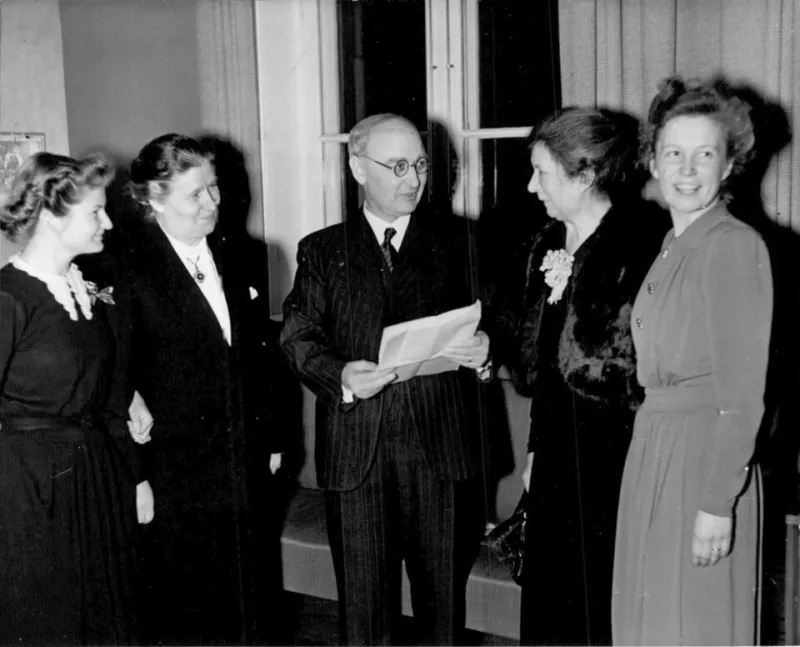
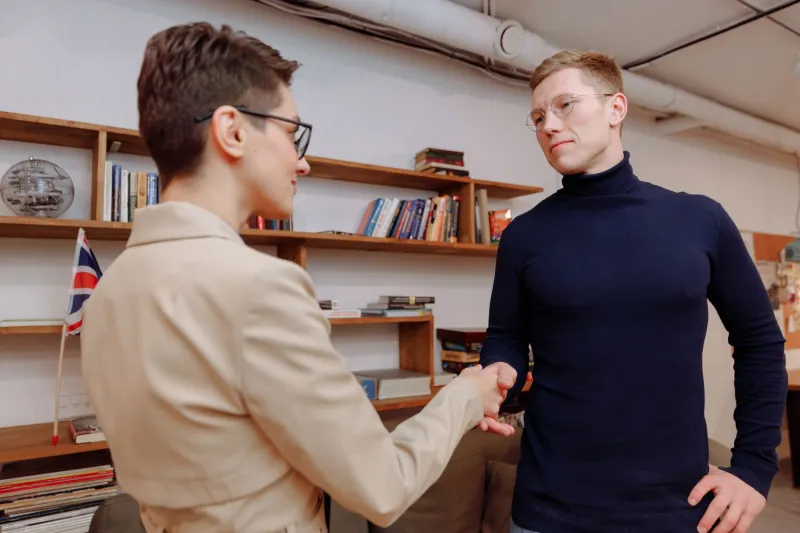
In 1963, Frank Castellano walked into First National Bank of Youngstown with nothing but a business plan sketched on notebook paper and a handshake firm enough to crack walnuts. He wanted to open an Italian restaurant in a neighborhood where everyone knew his grandmother made the best marinara sauce in three counties.
 Photo: First National Bank of Youngstown, via www.bankbranchlocator.com
The bank president, Jim Morrison, had watched Frank grow up, knew his work ethic from his job at the steel mill, and remembered how he'd paid back a car loan six months early. Twenty minutes later, Frank walked out with a $5,000 loan that would become Castellano's Restaurant—a local institution that fed three generations of families.
Try that today. Frank's grandson Tony recently spent eight months navigating automated lending platforms, credit scoring algorithms, and SBA paperwork requirements that would make a tax attorney weep. His loan application included financial projections, market analysis, personal guarantees, and documentation that filled a manila folder thick enough to stop a bullet.
When Banking Was a Neighborhood Business
Mid-century American banking operated on relationships that spanned generations. Your banker lived in the same community, shopped at the same stores, and sent their kids to the same schools. They understood local economic conditions not from data reports but from walking down Main Street and seeing which businesses thrived.
This intimacy created a lending environment where character mattered as much as collateral. Bank presidents knew which families paid their bills on time, which young men had good work ethic, and which business ideas made sense for the local market. A farmer seeking an equipment loan didn't need to explain agricultural cycles to someone who'd grown up watching the seasonal rhythm of planting and harvest.
The loan approval process was refreshingly direct. Small business owners presented their cases to human beings who could ask questions, gauge sincerity, and make judgment calls based on decades of community knowledge. Risk assessment happened through conversation, not calculation.
The Rise of the Credit Score Empire
Everything changed when banking became a numbers game. The Fair Isaac Corporation introduced FICO scores in 1989, promising to reduce lending bias and standardize risk assessment. What followed was the gradual replacement of human judgment with mathematical models that could process thousands of applications without ever meeting a single applicant.
 Photo: Fair Isaac Corporation, via logosandbrands.directory
Credit scores transformed lending from an art into a science. A person's entire financial history compressed into a three-digit number that determined their worthiness for loans, mortgages, and business funding. The system promised fairness through objectivity, but it also eliminated the nuanced understanding that came from knowing someone's character and circumstances.
Small business lending became particularly algorithmic. Banks developed automated underwriting systems that could approve or reject loan applications without human intervention. The process became faster and more efficient, but it lost the ability to recognize potential in unconventional circumstances or understand the intangible qualities that make some entrepreneurs succeed despite challenging financial histories.
The Paperwork Explosion
Modern small business lending requires documentation that would have baffled earlier generations. Entrepreneurs must provide three years of tax returns, detailed financial statements, business plans with market research, personal financial statements, and projections that attempt to predict the unpredictable nature of running a small business.
The Small Business Administration, created in 1953 to help entrepreneurs access capital, now requires loan applications that can exceed 100 pages. The process that once took a single conversation now involves multiple meetings, financial advisors, accountants, and lawyers who specialize in navigating bureaucratic requirements.
This complexity has created an entire industry of consultants who help small business owners complete loan applications. The irony is stark: getting money to start a simple business now requires hiring professionals to explain why you deserve that money.
The Fintech Revolution's Promise and Problems
The rise of financial technology companies promised to democratize small business lending by using alternative data sources and streamlined application processes. Companies like Kabbage, OnDeck, and Square Capital offered quick approvals and minimal paperwork, seemingly returning to the simplicity of earlier eras.
But these platforms replaced human judgment with even more sophisticated algorithms. They analyzed bank account activity, social media presence, and online reviews to assess creditworthiness. While faster than traditional banks, they often charged higher interest rates and shorter repayment terms that could trap struggling businesses in cycles of debt.
The human element disappeared entirely. Entrepreneurs received loan approvals or rejections from automated systems that couldn't explain their reasoning or consider special circumstances. The efficiency was impressive, but the understanding was absent.
What Character Used to Mean
The old system's emphasis on character wasn't just sentiment—it was practical risk management. Bankers who knew their borrowers could identify red flags that numbers might miss and recognize potential that data couldn't capture. They understood that a person's willingness to repay often mattered more than their current ability to repay.
This relationship-based lending created accountability that extended beyond legal contracts. Borrowers felt personal responsibility to bankers who'd taken risks on their behalf. The social pressure of disappointing someone who believed in your dream was often more powerful than the threat of legal consequences.
Community banks that maintained these practices often had lower default rates than their algorithm-driven competitors, suggesting that human judgment retained value even in an increasingly digital world.
The Trust Deficit
Modern lending's emphasis on documentation and verification reflects a fundamental loss of trust in American business relationships. The assumption shifted from "prove you're untrustworthy" to "prove you're trustworthy," requiring extensive evidence for what previous generations established through reputation and relationships.
This skepticism isn't entirely unjustified—the 2008 financial crisis demonstrated the dangers of loose lending standards. But the pendulum swing toward algorithmic assessment may have overcorrected, creating barriers that prevent qualified entrepreneurs from accessing capital while failing to prevent sophisticated financial fraud.
The Innovation We Lost
Perhaps the greatest casualty of algorithmic lending is its inability to recognize truly innovative business ideas. Breakthrough concepts often look risky on paper because they lack comparable precedents or established market data. The relationship banker who understood an entrepreneur's vision and character could fund ideas that seemed impossible to outsiders.
Today's data-driven lending favors established business models with predictable cash flows. The restaurant, retail store, or service business with clear comparables gets approved while the genuinely innovative concept gets rejected for being too unusual to fit algorithmic risk models.
We've gained efficiency and reduced some forms of lending bias, but we may have lost the very mechanism that funded America's most creative entrepreneurial ventures. In our rush to eliminate human error, we might have also eliminated human insight.