The Boss Used to Say 'Feel Better Soon.' Now They Ask for a Doctor's Note.
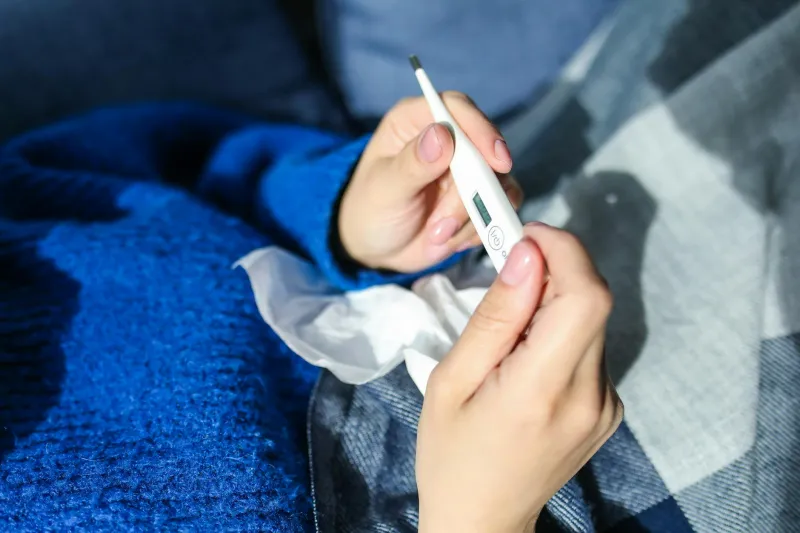
The Phone Call That Used to End the Conversation
Picture this: It's 1987, and you wake up with a pounding headache and a fever that makes getting dressed feel like climbing Mount Everest. You pick up the phone, dial your supervisor, and say, "Hi, it's Sarah. I'm not feeling well today and won't be coming in." The response? "Okay, feel better. See you tomorrow."
That was it. No follow-up questions. No demands for specifics about your symptoms. No requirement to find coverage or attend meetings from your sickbed. The conversation lasted maybe thirty seconds, and both parties understood the basic social contract: sometimes people get sick, and when they do, they stay home until they're better.
Contrast that with today's elaborate theater of illness verification. Modern workers craft carefully worded emails explaining their symptoms in clinical detail, as if diagnosing themselves for a medical board. They apologize profusely for the inconvenience of being human. They promise to "monitor email" and "jump on any urgent calls" — essentially volunteering to work while sick, just from a different location.
When Sick Days Were Actually for Being Sick
In the pre-digital era, the concept of a sick day was refreshingly straightforward. You were either well enough to come to work, or you weren't. There was no middle ground where you dragged yourself to the office while contagious, spreading germs to prove dedication. The idea of logging into a computer while running a 102-degree fever would have seemed absurd.
Employers understood that sick workers were unproductive workers. A feverish employee made mistakes, worked slowly, and often made their colleagues sick too — creating a domino effect of reduced productivity. It made economic sense to have people recover fully before returning to work.
Companies offered a set number of sick days as part of standard benefits packages, and using them wasn't considered a character flaw. In fact, coming to work while visibly ill was often seen as inconsiderate to coworkers, not as admirable dedication.
The Rise of Presenteeism Culture
Somewhere along the way, America developed a twisted relationship with workplace attendance. The shift happened gradually, influenced by several factors that converged to create today's "work at all costs" mentality.
Technology played a major role. Email, laptops, and smartphones made it possible to work from anywhere, including your deathbed. What started as a convenience became an expectation. If you could technically check email, why weren't you?
The gig economy accelerated this trend. When your income depends on showing up — whether as an Uber driver, freelancer, or hourly worker — taking a sick day means immediate financial consequences. No work equals no pay, creating pressure to power through illness.
Corporate downsizing added another layer of guilt. With fewer employees handling the same workload, calling in sick meant burdening already-stretched colleagues. Workers began viewing their illness as a personal failure that inconvenienced the team.
The Documentation Demands
Today's sick day process resembles a legal proceeding more than a simple human courtesy. Workers provide detailed symptom reports, doctor's notes for brief illnesses, and photographic evidence of medical appointments. Some companies require advance notice for being sick, as if employees can schedule their fever for next Tuesday.
The rise of "wellness programs" added another twist. Companies that claim to prioritize employee health simultaneously create cultures where actually being unhealthy feels like breaking an unspoken rule. Workers worry that taking sick days might mark them as "high-maintenance" or uncommitted to the company mission.
Managers, caught between corporate pressure and human decency, often find themselves in the uncomfortable position of questioning whether someone is "really" sick enough to miss work. The simple trust that once existed between employers and employees has eroded into a system of verification and suspicion.
The Zoom Call from the Emergency Room
Perhaps nothing illustrates the modern sickness culture better than the phenomenon of workers joining video calls from hospital beds or participating in "important" meetings while clearly unwell. Social media is full of stories about employees who attended virtual meetings during medical procedures or answered emails while their children were in surgery.
This behavior gets praised as "dedication" when it should be recognized as a symptom of a deeply unhealthy work culture. The fact that workers feel compelled to prove their worth while receiving medical treatment reveals how far we've strayed from basic human dignity in the workplace.
The pandemic briefly changed this dynamic, as suddenly everyone understood that staying home when sick protected the entire community. For a moment, it became not just acceptable but responsible to rest when unwell. But as offices reopened, many companies quickly reverted to pre-pandemic attitudes about attendance.
What We Lost in the Translation
The shift from simple sick days to complex illness management systems reflects a broader change in how Americans view work and human worth. We've moved from understanding that people occasionally get sick to treating illness as a personal failing that needs extensive justification.
This cultural change has real consequences. Workers who can't afford to take sick days spread illness throughout offices, schools, and public spaces. People delay medical care because they fear workplace repercussions. Stress about taking necessary time off can actually prolong illness and delay recovery.
The old system wasn't perfect — some workers certainly abused sick days, and some employers were unreasonably demanding. But the basic assumption that humans occasionally need to rest and recover created a more sustainable approach to both work and health.
In transforming sick days from a simple necessity into a complex negotiation, we've revealed something troubling about modern American work culture: we've forgotten that productivity depends on treating workers like human beings, not machines that should run regardless of their condition.
The next time you find yourself crafting an elaborate apology for having the flu, remember that there was once a time when "I'm sick" was a complete sentence — and maybe it should be again.