The Vanishing Lunch Counter: How the Place Where America Used to Eat Together Disappeared Without Anyone Noticing
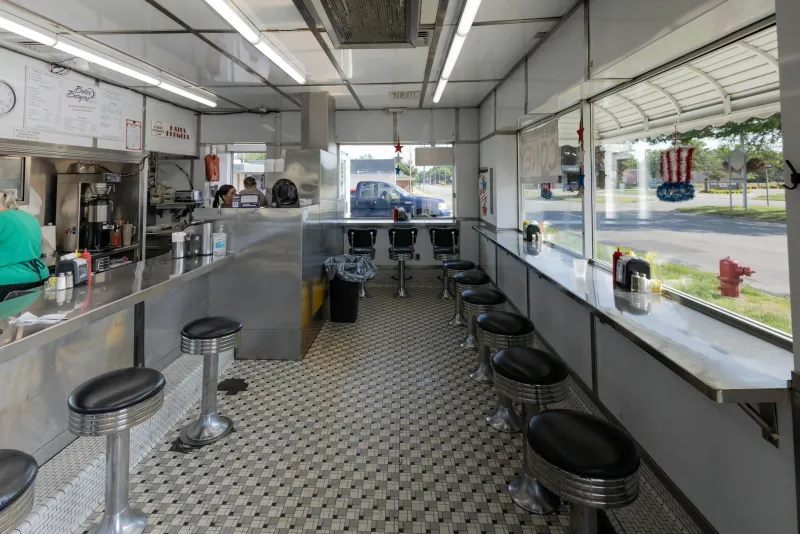
The Daily Ritual That Fed a Nation
Every weekday at 11:47 AM, Harold would slide onto the same red vinyl stool at Murphy's Lunch Counter on Fifth Street. To his left sat Betty from the phone company, to his right was usually Frank from the auto shop. They'd exchange pleasantries about the weather, complain about their bosses, and debate the local baseball team's chances while wolfing down a hot lunch for 85 cents.
This scene played out in thousands of lunch counters across America from the 1920s through the 1970s. These narrow establishments, squeezed between storefronts in downtown business districts, weren't just places to eat — they were the unexpected social centers of working-class life.
Where Strangers Became Neighbors
The lunch counter was democracy in action. Office workers sat elbow-to-elbow with factory hands, shop girls shared space with traveling salesmen, and everyone paid roughly the same modest price for a hot meal. The physical design enforced equality: a long row of stools facing a grill, where conversation flowed as naturally as the coffee.
"You couldn't help but talk to the person next to you," recalls 78-year-old Margaret Sullivan, who worked at a Detroit lunch counter in the 1960s. "People would strike up conversations about anything — their kids, their jobs, the headlines. By the end of lunch, strangers were friends."
The menu was simple but substantial: meatloaf, mashed potatoes, green beans, and pie for under a dollar. Everything was made fresh on the premises by cooks who knew their regular customers' orders by heart. Speed was essential — most patrons had exactly 30 minutes to eat and get back to work.
The Business Model That Actually Worked
Lunch counters thrived because they solved a real problem: feeding America's growing army of office and factory workers who lived too far from home to go back for lunch. These weren't fancy establishments — most had fewer than 20 seats and operated on razor-thin margins. But they made money through sheer volume, serving hundreds of customers during the lunch rush.
The economics were straightforward. Rent was cheap in downtown locations, overhead was minimal, and the limited menu kept food costs low. A successful lunch counter could serve 300 people between 11 AM and 2 PM, generating enough revenue to support a family business.
The Slow Fade of Downtown America
The decline of the lunch counter wasn't sudden — it was a gradual erosion that began in the 1960s and accelerated through the following decades. Several forces combined to doom these community gathering places.
Suburban sprawl pulled both workers and businesses away from downtown cores. As companies relocated to office parks and shopping centers moved to malls, the dense concentration of workers that lunch counters depended on simply disappeared.
Fast food chains offered a seemingly attractive alternative. McDonald's and Burger King promised the same quick service but with the added convenience of drive-through windows and suburban locations. The food might not have been as good, but it was consistent and didn't require sitting next to strangers.
The Rise of Eating Alone
Perhaps most importantly, American attitudes toward mealtime began to shift. The communal lunch break gave way to eating at one's desk, grabbing something on the go, or skipping lunch altogether. The idea of taking 30 minutes to sit and chat with neighbors started to feel inefficient, even indulgent.
By the 1980s, most lunch counters had closed or transformed into something else entirely. The few that survived often became nostalgic curiosities rather than vital community institutions.
What DoorDash Can't Deliver
Today, Americans spend more on food delivery than previous generations spent on groceries. We can have virtually any cuisine delivered to our door within 30 minutes, yet we've lost something essential that those old lunch counters provided: the accidental community that forms when people share a meal.
Modern food culture prioritizes choice, convenience, and customization over connection. We eat alone while scrolling through phones, consume meals as fuel rather than social experiences, and rarely interact with the people who prepare our food.
The Social Cost of Efficiency
The disappearance of lunch counters represents more than just a shift in dining habits — it reflects the broader atomization of American social life. These establishments served as informal community centers where people from different backgrounds encountered each other daily. They were places where news traveled, relationships formed, and social bonds strengthened over shared meals.
In our rush toward convenience and efficiency, we've eliminated many of the small spaces where community naturally developed. The lunch counter's demise wasn't planned or deliberate — it simply became obsolete as American life reorganized around cars, suburbs, and individual choice.
The Echo of Empty Stools
The next time you eat lunch alone at your desk while checking emails, consider what Harold, Betty, and Frank had that we've lost: a daily ritual that turned the simple act of eating into an opportunity for human connection. The lunch counter didn't just feed America's body — it nourished something deeper that we're still figuring out how to replace.
In optimizing for convenience, we accidentally optimized away community. The empty storefronts where lunch counters once hummed with conversation stand as quiet monuments to a time when eating out meant more than just getting food — it meant being part of something larger than yourself.