You Used to Wait Three Weeks for a Pair of Boots. Now You're Annoyed if They Don't Arrive by Noon.
You Used to Wait Three Weeks for a Pair of Boots. Now You're Annoyed if They Don't Arrive by Noon.
Somewhere in an attic in rural Ohio, there's probably a 130-year-old Sears & Roebuck catalog sitting in a trunk next to some old photographs and a tin of buttons. It's massive — over a thousand pages in its prime — and it was, for millions of American families in the late 1800s, the closest thing to a shopping mall they would ever see.
Think about that for a second. No browsing. No same-day shipping. No "your order is two stops away" notification. You sat at the kitchen table, circled what you needed, wrote out a paper order form, mailed it off with a money order, and then you waited. Sometimes three weeks. Sometimes longer if the rail lines were slow or the warehouse was backed up. And here's the thing — nobody thought that was unreasonable. That was just how it worked.
The Catalog That Built a Nation
Richard Sears launched his mail-order business in 1888 with a simple idea: rural Americans were getting gouged by local general stores because they had no alternatives. The catalog changed that overnight. Suddenly, a farmer in Nebraska could order a sewing machine, a set of dishes, a rifle, and a winter coat — all at prices that undercut the local merchant by miles.
At its peak, the Sears catalog was so embedded in American life that it earned the nickname "the Wish Book." Families would gather around it the way later generations gathered around the television. Kids dog-eared the toy pages. Mothers compared fabric patterns. Fathers priced out tools. It was an event, not a transaction.
The waiting was part of the experience. You ordered, you forgot a little, and then one day a crate showed up at the post office and it felt like Christmas morning. Delayed gratification wasn't a self-help concept — it was just Tuesday.
The Slow Build Toward Instant
The shift didn't happen overnight. For most of the 20th century, shopping was still a deliberate, physical act. Department stores like Macy's and Sears' own brick-and-mortar locations became community anchors. The mall era of the 1970s and '80s gave Americans a new ritual — the Saturday afternoon browse, the food court pretzel, the three bags you carried back to the car.
Catalog shopping persisted well into the 1990s. Companies like L.L. Bean, J. Crew, and Land's End still mailed thick books to millions of households. Standard shipping was five to seven business days, and nobody filed a complaint. Two-day shipping, when it arrived, felt like sorcery.
Then Amazon happened.
Two-Day Shipping Was Just the Opening Move
Amazon Prime launched in 2005 with a simple promise: pay an annual fee and get free two-day shipping on most orders. Analysts at the time thought it was a money-losing gimmick. What it actually was, in hindsight, was a complete psychological rewiring of the American consumer.
Once two days became the baseline, the pressure to go faster never let up. Amazon rolled out same-day delivery in select cities in 2015. Then one-hour delivery through Prime Now. Then the "order by noon, get it by 9 PM" window. Grocery delivery. Prescription delivery. The endpoint of this particular race isn't entirely clear, but it increasingly looks like the moment between wanting something and having it shrinks to almost nothing.
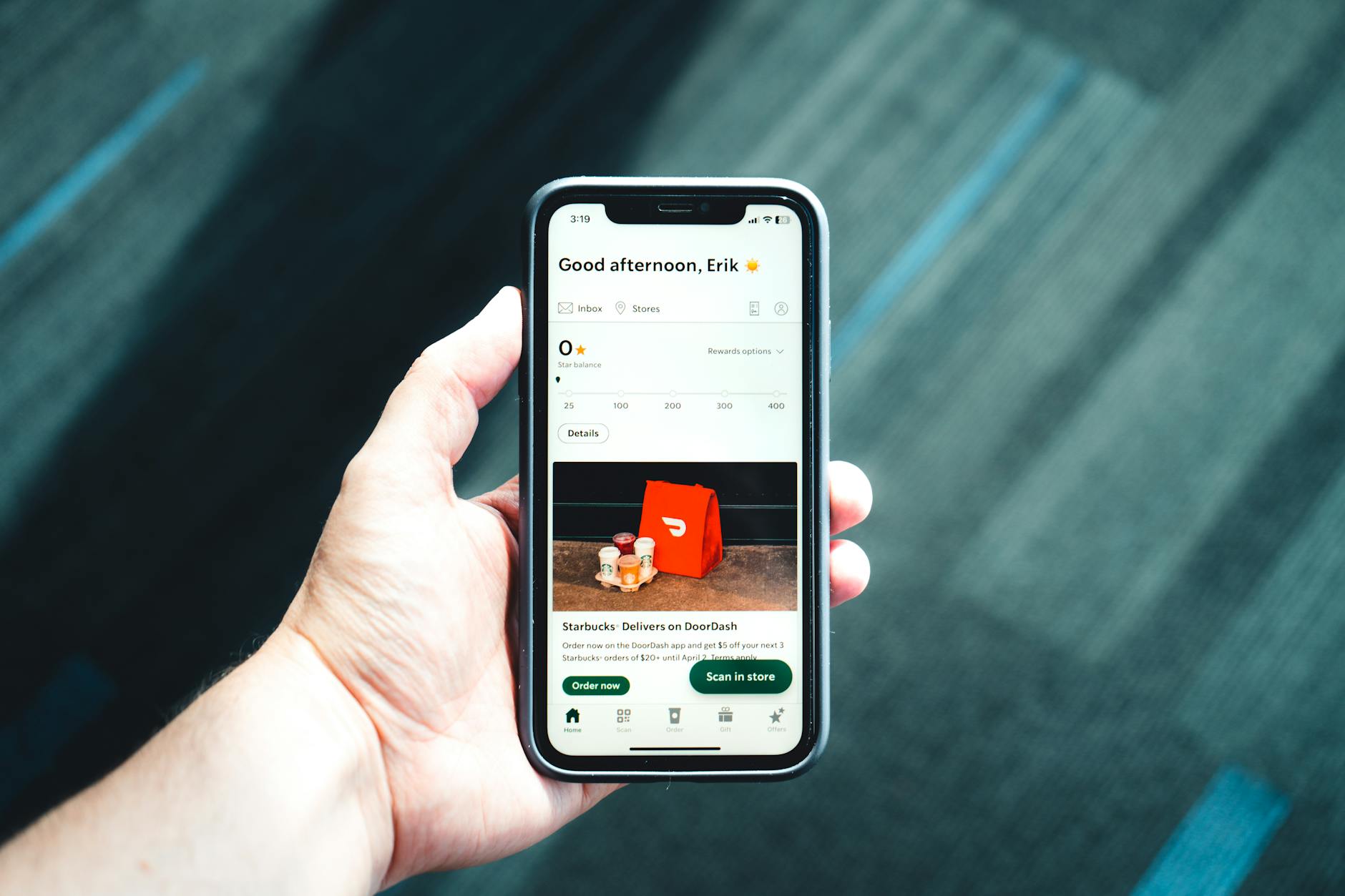
Today, same-day delivery is available in most major American metros. Walmart, Target, Instacart, DoorDash — they're all in the game. Digital products, of course, arrive in milliseconds. Music, movies, books, software — the concept of "waiting to get" something has been essentially eliminated from entire categories of goods.
What We Actually Lost
It's worth pausing on what that shift cost us, not just what it gave us.
The Sears catalog era forced a kind of intentionality. You didn't order something on a whim at 11 PM because you were bored and your thumb slipped. You thought about what you needed, planned for it, and committed. The friction wasn't a bug — it was a filter. Impulse buying was architecturally difficult.
Today, American household debt tied to consumer spending sits at historic highs. Return rates for online retail are staggering — some categories see 30 to 40 percent of purchases sent back. Warehouses are clogged with the physical residue of frictionless buying. The environmental footprint of last-mile delivery — all those vans making individual stops for individual orders — is enormous and growing.
And then there's the psychological dimension. Research consistently shows that anticipation is a genuine source of pleasure. The waiting, the wondering, the slow build toward getting something — that was real enjoyment, not just inconvenience. We traded it in, and it's not obvious we noticed the loss.
The Era That Vanished Faster Than a Tracking Update
Here's what's genuinely startling when you look at the timeline: the era when waiting weeks for a purchase was completely normal lasted over a century. The era when five-to-seven business days felt perfectly reasonable lasted until roughly 2010. The era when same-day delivery seemed like a premium luxury lasted maybe five years.
We are now, measurably, in a period where a two-hour delivery window generates customer complaints.
The Sears Wish Book took a family's desires and stretched them across weeks of patient anticipation. Amazon's algorithm knows what you want before you do and can have it at your door before you've fully decided you need it. Both systems were revolutionary for their time. Only one of them required you to wait long enough to wonder if you actually wanted the thing at all.
Somewhere between the catalog and the drone delivery, America stopped waiting — and started wondering why anything takes as long as it does.