Seven Nights a Week, Then Two: The Real Cost of Losing the Family Dinner
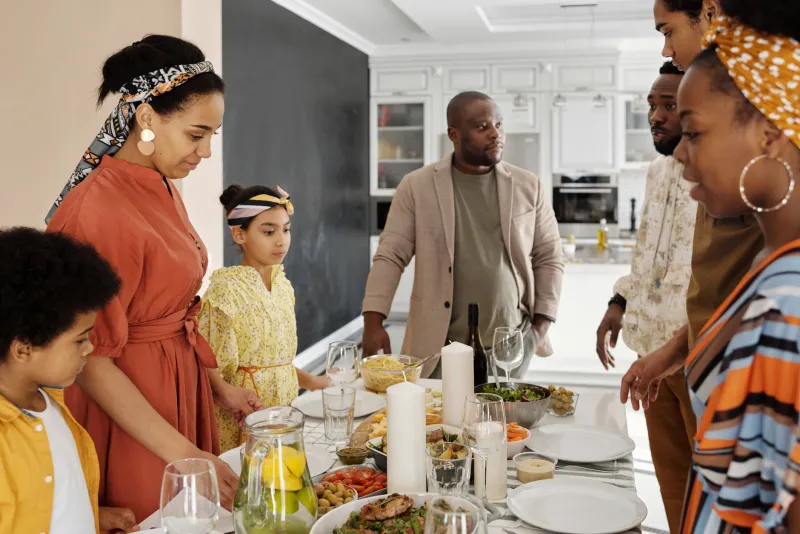
Here's a number worth sitting with. In surveys from the 1950s through the early 1970s, the majority of American families reported eating dinner together nearly every night of the week. Recent research puts the modern figure at roughly a third of families managing a shared meal even five nights a week, with many households landing closer to two.
That's not just a scheduling change. It's the quiet liquidation of an institution — and like most things that disappear slowly, nobody ever voted on it.
What the Table Was Actually For
Strip away the nostalgia and the family dinner was doing something economically irrational: it consumed the scarcest resource a household has — everyone's time, simultaneously, on a recurring basis — and produced no product.
But look closer at what it manufactured instead.
A shared meal is a negotiation. Who got the last roll. What time the car needed to be back. Whether the ninth-grade boyfriend could come over. Kids learned to make a case and lose one. Parents learned what their children were actually worried about, which was almost never what they said at breakfast.
A shared meal is also boredom tolerance training. Before phones, dinner was thirty minutes with no entertainment except each other. You learned to listen to a story that wasn't about you. You learned to wait your turn. Researchers who study family dynamics have long linked regular shared meals to lower rates of adolescent depression, better vocabulary development in young children, and even better grades — effects that hold up even after controlling for income and family structure.
The dinner table was, in effect, the cheapest social development program ever devised. It cost one hour and a casserole.
How the Hour Got Spent
So where did it go? Follow the money and the calendar.
First, work changed. The postwar model — one breadwinner home by 5:30 — gave way to dual-income households, shift work, and commutes that swallowed the 6 o'clock hour. By the time both adults are home, the window is gone.
Second, the kids' schedule became a second job. Youth sports, travel teams, lessons, and part-time jobs scattered the evening across three locations. A family of four in 2025 doesn't skip dinner because nobody values it; they skip it because Tuesday has a 5:30 practice in the next town over.
Third, the meal itself got outsourced. Drive-thru, delivery apps, and single-serve everything made it possible — even easy — for every member of the household to eat separately, at separate times, looking at separate screens. The logistics of eating together used to be the default. Now they're a project.
The Invoice Nobody Itemizes
Economists have a term for the value of things that don't show up on a receipt: they're called externalities, and we're usually terrible at pricing them. The lost family dinner is a negative externality of a more productive, more scheduled, more convenient economy. Every individual decision — the extra shift, the travel team, the DoorDash order — was reasonable. The aggregate is a household where four people live together and share maybe two hours of unstructured conversation a week.
And the costs surface downstream: in higher spending on therapists and tutors doing work the table used to do for free, in the loneliness epidemic that keeps showing up in the data, in young adults who genuinely never learned to sit through a conversation that didn't interest them.
Was It Ever About the Food?
Here's the part that should give everyone some hope. Researchers who study family meals keep finding that the nutritional content of the dinner matters far less than the sharedness of it. Frozen pizza at the same table, at the same time, with phones off, delivers most of the benefit of a from-scratch Sunday roast. The meal was never the mechanism. The mechanism was everyone in one room, undistracted, with nowhere else to be.
Which means the ritual is recoverable, even in a world of shift work and travel soccer. It won't be seven nights a week. It might be three. But the evidence suggests those three hours do more per hour than almost anything else a family can buy.
The 1950s dinner table wasn't magic, and a lot about that era deserved to be left behind. But we should be honest about what we traded away when we dismantled it: the only daily appointment where a family was, briefly, a single economy — sharing its time, its stories, and its last roll.
Some things don't survive being made optional. The family dinner was one of them, and we're still tallying the bill.