The $8,000 Summer: When Camp Stopped Being for Regular Kids
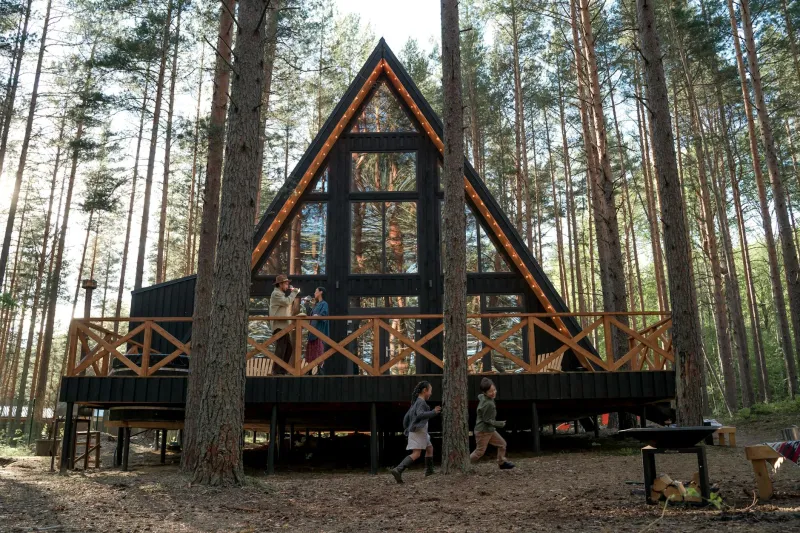
When Every Kid Could Go to the Woods
In 1975, sending your kid to summer camp for two weeks cost about $180 — roughly what an average American family spent on groceries in a month. Camp wasn't a luxury or a status symbol. It was just what happened when school ended and parents still had to work.
The camps themselves were wonderfully simple affairs. Kids slept in canvas tents or rustic cabins with screens that let in every mosquito within a five-mile radius. They wrote letters home on lined paper, folded them into envelopes, and waited three days for mom to write back. The camp store sold candy bars, postcards, and maybe some cheap sunglasses. That was it.
Activities were whatever the counselors could dream up with rope, a lake, and maybe some craft supplies from the local five-and-dime. Capture the flag. Campfires. Swimming lessons in a murky lake where you couldn't see your feet. Arts and crafts meant making ashtrays out of clay, even if your parents didn't smoke.
Most importantly, camp was where kids learned to be away from home. Really away. No phone calls unless someone was bleeding. No care packages unless it was a birthday. No helicopter parents hovering at the edge of the property. You were dropped off with a duffel bag and picked up two weeks later, hopefully with all your limbs intact and a few new friends.
The Transformation Nobody Noticed
Somewhere between the 1980s and today, summer camp morphed into something entirely different. What used to be a simple childhood rite of passage became a $20 billion industry focused on "enrichment," "skill development," and building the perfect college application.
Today's camps don't just offer swimming and hiking. They offer "aquatic leadership development" and "wilderness sustainability programs." Kids don't just play capture the flag — they participate in "strategic team-building exercises." The craft room became a "maker space." The campfire became a "cultural sharing circle."
And the prices? A typical sleepaway camp now costs between $3,000 and $8,000 for two weeks. Elite camps — the ones that promise to teach your 12-year-old coding, Mandarin, and sustainable agriculture — can run $15,000 for a single summer. That's more than many families spend on rent for half a year.
When Wi-Fi Came to the Woods
The most telling change isn't the price — it's the philosophy. Modern camps market themselves as "unplugged experiences" while simultaneously offering "limited Wi-Fi access for emergencies." They promise to teach independence while sending daily photo updates to parents through camp apps.
Many camps now require detailed medical forms that would make a hospital proud, extensive background checks for all staff, and liability waivers that run longer than most mortgage documents. The casual college kid who used to run the canoe program has been replaced by certified specialists with degrees in recreation management.
The cabins have been upgraded too. Climate control. Private bathrooms. Wooden floors instead of dirt. Some camps offer "glamping" options that cost extra and defeat the entire point of sleeping outdoors. The camp store now accepts credit cards and sells branded merchandise that costs more than the entire camp experience used to.
The Economics of Childhood
The transformation of summer camp reflects a broader shift in American childhood. Experiences that used to be accessible to working-class families — camp, music lessons, sports teams — have been professionalized and priced out of reach for most.
In 1975, a factory worker making $12,000 a year could send their kid to camp for about 1.5% of their annual income. Today, that same camp experience would cost 15-20% of a median household income. The math simply doesn't work for most families.
Meanwhile, the camps that do remain affordable often can't compete with the amenities and programs that affluent families expect. The result is a two-tiered system where rich kids go to camps that look like luxury resorts, while everyone else stays home and plays video games.
What We Lost in Translation
The old camps weren't perfect. The food was terrible. The counselors were barely older than the campers. Safety protocols were whatever seemed reasonable at the time. But they accomplished something that today's high-end camps, for all their professional programming and gourmet meals, often miss entirely.
They taught kids that they could survive away from home. That they could make friends with strangers. That being bored was okay, and that entertainment didn't need to be provided every minute of every day. That letters from home were treasures worth saving, and that stories around a campfire were better than any movie.
Most importantly, they were democratic. The banker's kid and the mechanic's kid ended up in the same canoe, learning the same songs, getting equally dirty, and writing equally misspelled letters home.
The New Definition of Summer
Today, summer camp has joined the long list of American institutions that have been transformed from public goods into luxury services. Like college, healthcare, and homeownership, it's become something that defines class rather than childhood.
The irony is that in trying to improve summer camp — making it safer, more educational, more enriching — we've made it inaccessible to the very kids who might benefit most from two weeks in the woods with nothing but a flashlight and a homesick letter to write.
Summer camp used to be where America's kids learned to be independent. Now it's where America's rich kids learn to be even more privileged.