The Man Behind the Counter Who Knew Everything
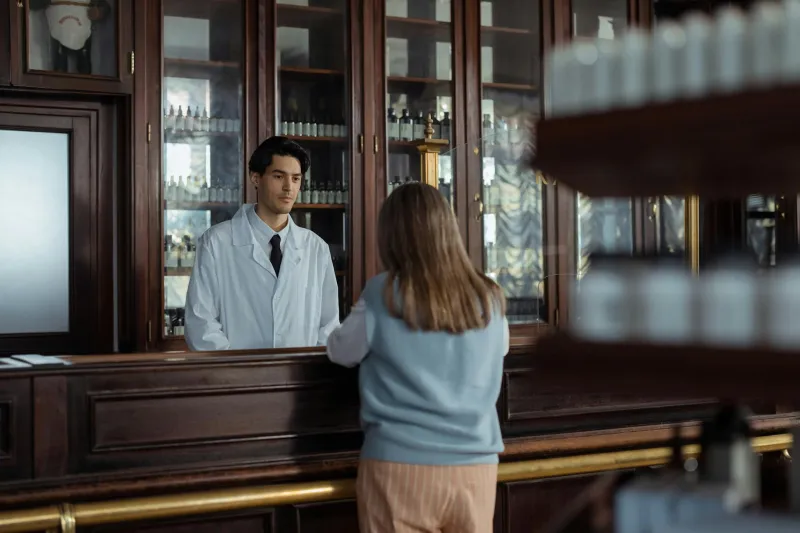
Walter Kowalski ran Kowalski's Pharmacy on Milwaukee's south side for forty-three years. He knew that Mrs. Henderson's arthritis flared up before storms, that teenage Jimmy Patterson was too embarrassed to ask about acne treatments, and that old Mr. Chen needed his blood pressure medication split into weekly pill organizers because his hands shook too much to manage the bottles.
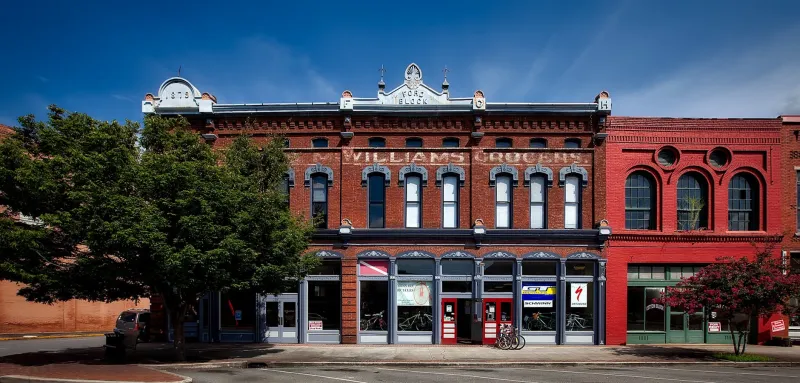
 Photo: Kowalski's Pharmacy, via assets.simon.com
Walter mixed custom compounds in the back room, recommended remedies for everything from diaper rash to insomnia, and often spotted dangerous drug interactions before doctors did. When the Kowalski family closed the pharmacy in 1997, three generations of customers showed up to the going-out-of-business sale — not to buy anything, but to say goodbye to the man who'd been their unofficial family doctor for decades.
This was the era of the neighborhood druggist, and it's completely vanished from American life.
When Pharmacies Were Medical Practices
From the 1920s through the 1980s, the local pharmacist was often the most accessible healthcare provider in town. Unlike doctors, who required appointments and charged substantial fees, druggists were available during regular business hours and offered advice for free. They diagnosed common ailments, recommended treatments, and provided the kind of ongoing health monitoring that today requires expensive specialist visits.
These weren't just pill counters. Pharmacists graduated from rigorous programs in chemistry and pharmacology. They understood drug interactions, contraindications, and dosing better than many physicians. Most importantly, they knew their customers personally — their medical histories, family situations, and individual needs.
The typical neighborhood pharmacy carried everything from prescription medications to ice cream sodas. The pharmacy counter sat alongside a soda fountain, magazine rack, and gift section. Children came for penny candy and stayed to watch the pharmacist work his mysterious magic with mortar and pestle, measuring precise amounts of powders and liquids to create custom medications.
The Art of Knowing Your Customers
Pharmacists maintained detailed handwritten records on index cards — not just prescription histories, but personal notes. "Allergic to sulfa." "Mother has diabetes." "Works night shift." "Can't swallow large pills." These weren't just medical facts; they were relationships documented in careful script.
When Mrs. Anderson came in looking tired, her pharmacist might ask about her new baby and suggest a different antihistamine that wouldn't make her drowsy. When Mr. Thompson's wife passed away, the pharmacist would check on him regularly and watch for signs of depression or medication non-compliance.
This personal knowledge translated into better health outcomes. Pharmacists caught medication errors, spotted signs of abuse or addiction, and provided the kind of continuity of care that prevented small problems from becoming medical emergencies. They were the safety net in America's healthcare system — the professional who saw you regularly and noticed when something was wrong.
The Economics of Trust
Neighborhood pharmacies operated on completely different financial principles than today's chains. Prescription margins were higher, but volume was lower. Pharmacists made their living through relationships, not transactions. Customer loyalty was earned through service, not convenience.
Most prescriptions were filled while you waited — not because it was faster, but because it gave the pharmacist time to explain the medication, discuss side effects, and answer questions. This consultation was included in the price. There were no separate fees for medication reviews or clinical services because these were simply part of being a pharmacist.
Credit was common. Families running short on money could pick up prescriptions and pay when they got their next paycheck. Pharmacists knew their customers' financial situations and worked out payment plans without corporate approval or credit checks. During the Great Depression and its aftermath, many pharmacists carried entire neighborhoods on informal credit systems.
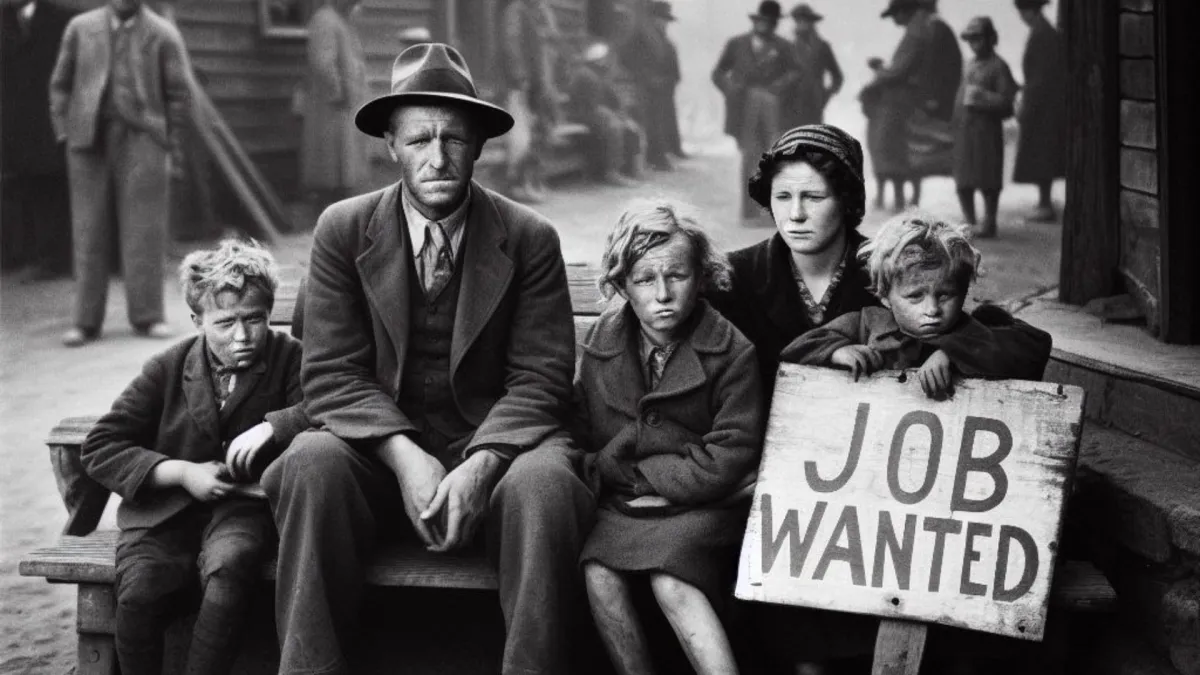 Photo: Great Depression, via www.shortform.com
When Everything Became Efficient
The transformation began in the 1980s with the rise of pharmacy chains like Walgreens and CVS. These companies promised lower prices and greater convenience through economies of scale. They could negotiate better deals with drug manufacturers, stay open longer hours, and offer one-stop shopping for prescriptions and household goods.
But efficiency came at a cost. Chain pharmacies operated on completely different metrics than neighborhood drugstores. Success was measured in prescriptions filled per hour, not relationships maintained over years. Pharmacists became interchangeable employees rather than community fixtures. Customer service was standardized into scripts and protocols.
Computer systems replaced index cards. While these systems could track drug interactions more systematically, they couldn't capture the nuanced understanding that came from knowing someone personally. A computer might flag a potential interaction, but it couldn't tell that Mrs. Johnson always took her medication with dinner because she worked late shifts.
The Rise of the Prescription Mill
Today's pharmacy experience is optimized for speed and volume. Prescriptions are often filled by technicians using automated dispensing systems. Pharmacists spend most of their time reviewing computer alerts and managing insurance problems rather than talking with customers. The average interaction lasts less than two minutes.
Drive-through windows, introduced in the 1990s, epitomize the transformation. What was once a personal consultation became a transaction completed without leaving your car. The convenience is undeniable, but something essential was lost when healthcare became something you could pick up like fast food.
Modern pharmacies fill hundreds of prescriptions daily compared to the dozens handled by neighborhood drugstores. But this efficiency comes with hidden costs: medication errors are more common, drug interactions are missed more frequently, and patients report feeling less confident about their medications.
The Human Cost of Automation
The disappearance of the neighborhood pharmacist represents more than just industry consolidation — it's the loss of a crucial healthcare relationship. Studies show that patients who know their pharmacist personally are more likely to take medications correctly, report side effects promptly, and maintain better health outcomes.
Older Americans, who remember when pharmacists knew their names and medical histories, report feeling lost in today's system. They describe standing in line behind strangers, answering the same questions repeatedly, and receiving medications from different people each visit. The trust that once characterized pharmacy relationships has been replaced by corporate efficiency.
Younger Americans, who've never experienced personalized pharmacy care, don't realize what they're missing. They accept long waits, insurance hassles, and impersonal service as normal parts of healthcare. They've never experienced having a healthcare provider who knew their family, remembered their preferences, and took personal responsibility for their wellbeing.
What We Lost When We Gained Convenience
The neighborhood pharmacy was more than just a place to fill prescriptions — it was a community health resource. Pharmacists served as informal medical advisors, helping people navigate the healthcare system and make informed decisions about their health. They provided the kind of accessible, ongoing care that today requires expensive specialists or urgent care visits.
When Walter Kowalski closed his pharmacy, the neighborhood lost more than a business. They lost a healthcare provider who had guided three generations through illnesses, injuries, and medical decisions. They lost someone who cared about their health not because it was his job, but because they were his neighbors.
Today's pharmacy chains offer undeniable benefits: lower prices, longer hours, and sophisticated computer systems that can track complex medication regimens. But they can't replicate the most important element of the old neighborhood pharmacy — the human being who knew your name, remembered your story, and took personal responsibility for your health.
In our rush toward efficiency, we automated away one of healthcare's most valuable relationships. The question isn't whether we can go back — we can't. But we might ask whether the convenience was worth what we gave up, and whether there's a way to rebuild the trust and personal care that once made picking up a prescription feel like visiting a friend.