When Yellowstone Cost $50 and a Tank of Gas: The Pricing Out of America's Family Road Trip
The $200 Vacation That Built American Memories
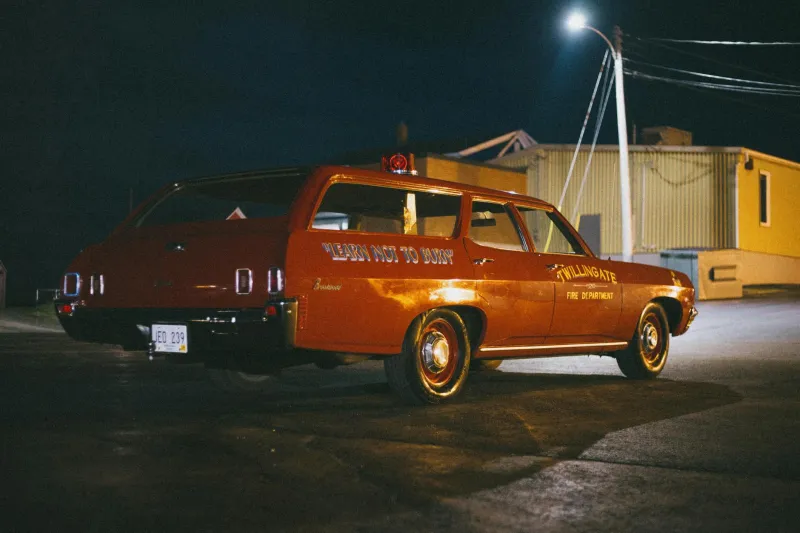
In 1978, the Johnson family from Toledo packed their wood-paneled station wagon with sandwiches, sleeping bags, and $200 in cash for their annual pilgrimage to Yellowstone. Gas cost 65 cents a gallon, the campground charged $3 a night, and park entry was $2 per car — good for a week. They drove straight through, stopped at roadside diners for $8 family meals, and returned home with stories that would last decades and about $40 still in Dad's wallet.
Fast-forward to 2024, and the Miller family from the same Toledo neighborhood is planning the identical trip. Their minivan needs $400 just in gas for the round trip. Yellowstone's entrance fee is $35 for seven days — not terrible, but seventeen times higher than 1978. The real shock comes with lodging: those $3 campsites now cost $35-50 per night, assuming you can even get a reservation. Hotels that once charged $25 for a family room now demand $200-400 nightly during peak season.
When America's Parks Belonged to Everyone
The transformation goes deeper than simple inflation. In 1978, a week-long family vacation to a national park represented roughly 2.5% of the median American household income. The same trip today consumes nearly 8% of median income — more than triple the financial burden.
But raw percentages don't tell the whole story. The 1970s family vacation operated on a completely different economic model. Parents expected to pay cash for everything. Credit cards existed but weren't considered normal for vacation spending. Families saved throughout the year, often in Christmas Club accounts at local banks, specifically for their summer trip.
The infrastructure supported this approach. Roadside motels charged the same rate whether you booked six months ahead or pulled in at sunset. Restaurants had kids-eat-free nights. Gas stations competed fiercely on price and threw in free road maps. The entire American travel ecosystem was built around the idea that working families should be able to afford an annual escape.
The Hidden Costs That Didn't Exist
Today's family vacation comes loaded with expenses that simply didn't exist forty years ago. Booking fees. Resort fees. Parking charges at hotels. Wi-Fi fees. Early check-in fees. Pet fees. Processing fees for paying with a credit card. The list multiplies endlessly.
Consider dining: roadside diners once offered massive portions at prices designed for traveling families. A typical family of four could eat dinner for $12-15. Today's equivalent meal at a chain restaurant near a national park runs $60-80, and that's before drinks, appetizers, or dessert.
Even the free activities cost money now. Many state parks that never charged admission now require day-use fees. Scenic overlooks have parking meters. Some national parks charge separately for different areas within the same park.
The Planning Industrial Complex
The spontaneous road trip has become nearly impossible. In 1978, families could decide on Thursday to leave Saturday morning, confident they'd find somewhere to stay. Today, Yellowstone's lodges book solid a year in advance. Campground reservations open exactly five months ahead and disappear within hours.
This planning requirement fundamentally changed the vacation experience. What once felt like adventure — "Let's see where the road takes us" — now requires the organizational skills of a military campaign. Families spend months researching, booking, and rebooking, often paying cancellation fees and change fees along the way.
The psychological impact is profound. Parents who once looked forward to vacation as a break from routine now approach it as another job. The spontaneity that made road trips magical for children has been regulated and reservation-systemized out of existence.
When Middle Class Meant Mobile
Perhaps most tellingly, the families who could afford these trips have changed. In 1978, a factory worker, teacher, or office clerk could realistically plan an annual national park vacation. These weren't wealthy families — they were the broad American middle class.
Today, the same vacation requires either significant advance savings, credit card debt, or a household income well above the national median. The classic American road trip has quietly migrated from a middle-class expectation to an upper-middle-class luxury.
Social media amplifies this shift. Instagram feeds full of family vacation photos create pressure to spend even more. The simple joy of seeing Old Faithful has been replaced by the need to document every moment in ways that require better hotels, better restaurants, and better everything.
The Road Back to Accessible Adventure
Some families are finding workarounds. Camping has resurged, though even campsites now require reservations and cost more than budget motels once did. State parks offer alternatives to overwhelmed national parks. Road food has been rediscovered as both economical and authentic.
But these solutions work around the edges of a larger transformation. The American family vacation — once a democratic institution available to anyone with a car and a week off work — has become another arena where economic inequality plays out.
The road to Yellowstone still exists. The question is whether working families can still afford to take it, and whether the destination will feel like the America they hoped to show their children — or just another place where everything costs more than it should.