Shop Class Built America's Middle Class. Then We Decided It Wasn't Smart Enough.
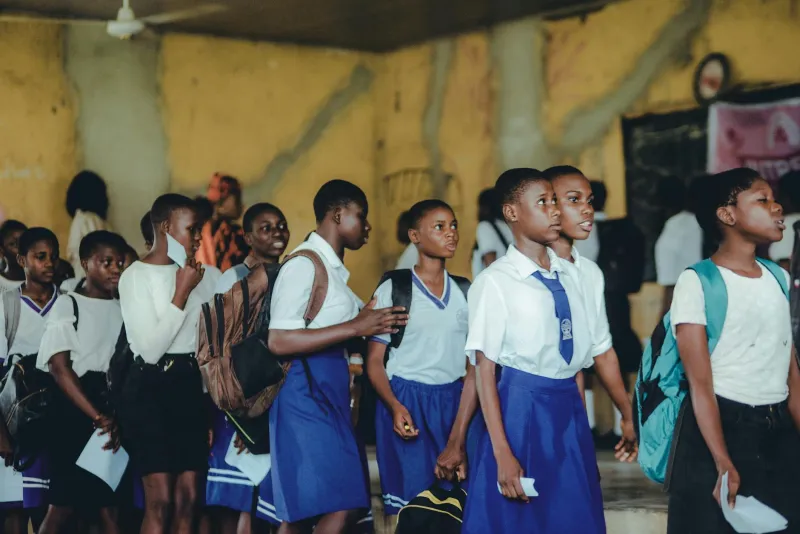
Walk through any American high school today, and you'll find computer labs, AP preparation courses, and college counseling centers. What you probably won't find is a wood shop filled with the smell of sawdust and the sound of teenagers learning to use their hands to create something lasting. The disappearance of vocational education from American high schools represents one of the most consequential — and least examined — changes in how we prepare young people for adult life.
When High School Meant Real-World Skills
In 1970, nearly every American high school offered robust vocational programs. Students could choose from auto mechanics, carpentry, electrical work, metalworking, and dozens of other skilled trades. These weren't remedial programs for struggling students — they were respected pathways that attracted kids with mechanical aptitude, entrepreneurial instincts, and a preference for tangible results over theoretical knowledge.
Take Jefferson High School in Gary, Indiana, circa 1965. The school's machine shop hummed with activity as students learned to operate lathes, mills, and precision tools. The auto shop was equipped like a professional garage, where teenagers diagnosed engine problems and performed complex repairs. The carpentry program built actual houses that were sold to fund the next year's materials. Students graduated with both a diploma and immediately marketable skills that led directly to well-paying careers.
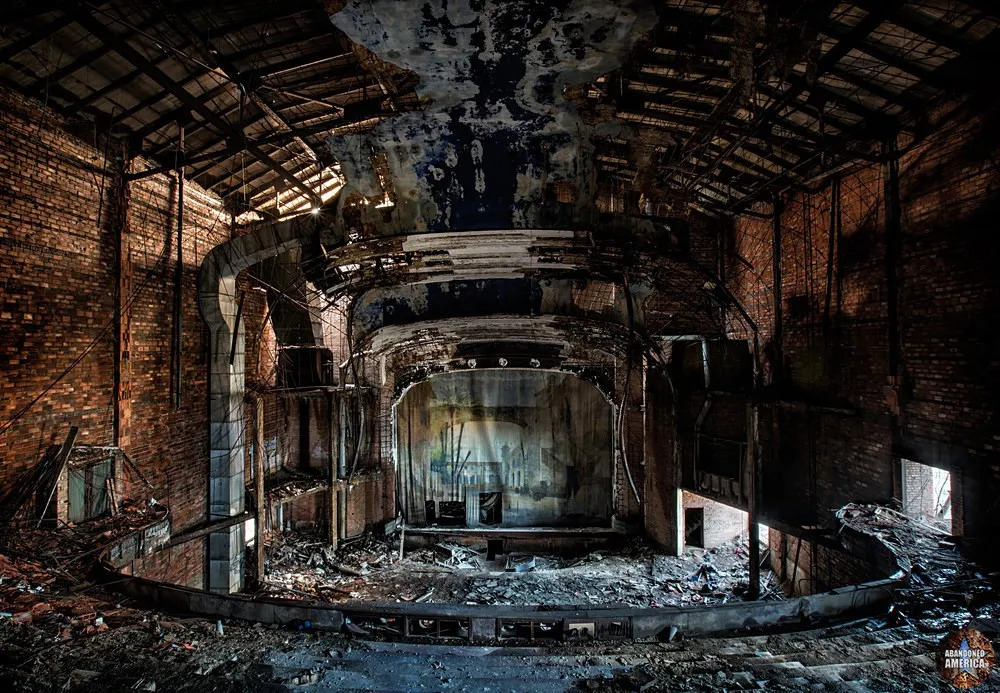 Photo: Gary, Indiana, via photos.on-this.website
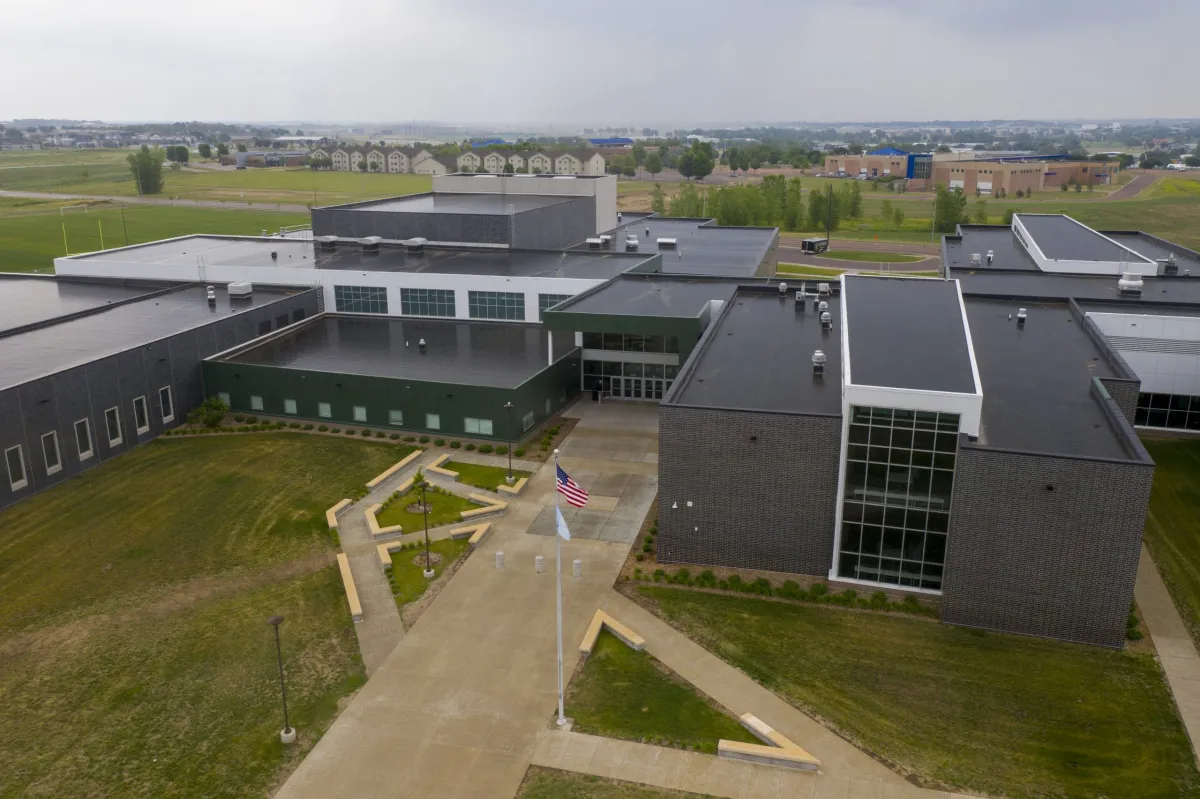 Photo: Jefferson High School, via guaranteeroofingsd.com
These programs didn't just teach technical skills — they instilled a different kind of intelligence. Students learned to diagnose problems through observation and experimentation. They developed spatial reasoning, understood how materials behaved under stress, and mastered the patience required for precision work. They discovered the satisfaction of fixing something broken or creating something beautiful with their own hands.
The Dignity of Skilled Work
In mid-century America, skilled trades carried genuine social respect. The neighborhood electrician, plumber, or machinist was seen as a professional who'd mastered complex knowledge that college graduates couldn't replicate. These workers owned homes, sent their kids to college, and participated fully in middle-class life. The path from high school shop class to skilled employment to suburban prosperity was well-established and socially valued.
Consider Frank Kowalski, who graduated from Cleveland's East Tech High School in 1968 with a certificate in tool and die making. By 1975, he was earning more than many college graduates, owned a three-bedroom house in Parma, and had started his own precision manufacturing business. His high school education had given him not just skills but a complete economic identity that lasted his entire career.
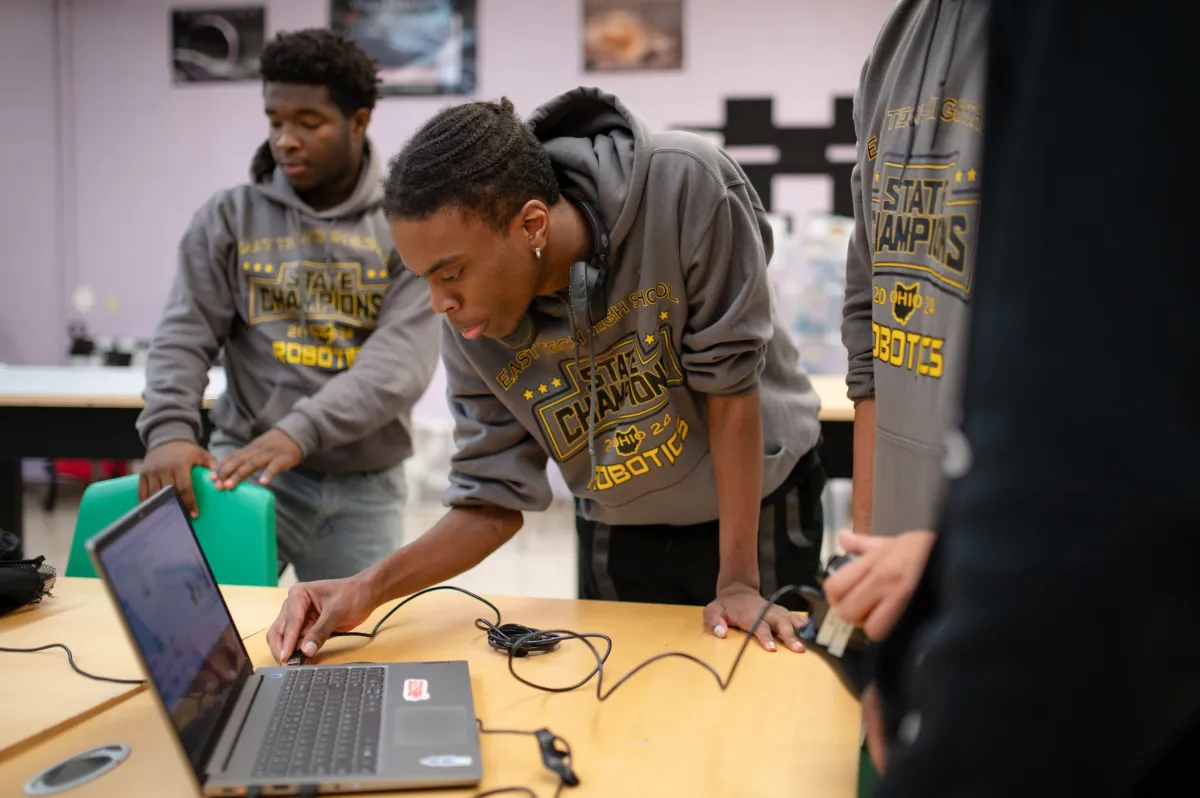 Photo: East Tech High School, via signalcleveland.org
This wasn't an isolated success story. Millions of Americans followed similar trajectories, moving directly from high school vocational programs into apprenticeships, union jobs, or small business ownership. The skilled trades provided what economists call a "middle-skill, middle-wage" pathway that required more than a high school diploma but less than a four-year degree.
The College-for-Everyone Revolution
The transformation began in the 1980s, accelerated by a cultural shift that equated intelligence with academic achievement and success with white-collar work. Policymakers, educators, and parents embraced the idea that every child should aspire to college, and anything less represented lowered expectations or social inequality.
Vocational education became stigmatized as a dumping ground for students who couldn't handle "real" academics. Guidance counselors steered even mechanically gifted students toward college prep courses. School boards, facing budget pressures, found it easier to eliminate expensive shop classes than to defend programs that seemed outdated in an information economy.
By 2000, most American high schools had gutted their vocational programs. The spaces once occupied by wood shops and auto bays were converted to additional computer labs and college prep classrooms. The message was clear: working with your hands was a relic of the past, and smart kids went to college.
The Unintended Consequences
The college-for-everyone push succeeded in one sense — more Americans than ever attend post-secondary education. But it also created problems nobody anticipated. College costs exploded, leaving millions of graduates with crushing debt and degrees that didn't guarantee employment. Meanwhile, skilled trades faced severe labor shortages as an entire generation was diverted away from hands-on work.
Today, the average age of American welders, electricians, and machinists hovers near retirement. Construction projects face delays because contractors can't find qualified workers. Manufacturers struggle to fill positions that require technical skills but not college degrees. The very trades that vocational education once supplied with steady streams of young workers now desperately recruit from shrinking pools of candidates.
The Skills Gap Reality
The irony is stark: while college graduates struggle to find work that justifies their education debt, skilled trades offer some of the most secure, well-paying career paths available. Experienced electricians earn median salaries exceeding $70,000 annually, often without student loans. Skilled machinists, welders, and HVAC technicians command premium wages and enjoy job security that many white-collar workers envy.
But these opportunities remain largely invisible to young people who've been conditioned to see manual work as failure. High schools that once proudly displayed student-built furniture or restored classic cars now showcase college acceptance rates and AP test scores. The message that hands-on skills represent legitimate intelligence has been almost entirely erased from American education.
What We Lost in Translation
Vocational education taught more than technical skills — it developed a particular kind of problem-solving intelligence that's increasingly rare in our digital age. Students learned to work through complex challenges with immediate, tangible feedback. They understood cause and effect in ways that theoretical learning couldn't replicate. They developed confidence that came from mastering difficult, real-world tasks.
These programs also provided alternative definitions of success for students who didn't thrive in traditional academic environments. A teenager who struggled with algebra might discover genius-level aptitude for mechanical systems. Someone who found English class tedious might excel at the precise communication required for electrical work.
The European Alternative
While America dismantled vocational education, other developed countries maintained robust apprenticeship systems that combine classroom learning with hands-on training. Germany, Switzerland, and Austria still graduate significant percentages of students through vocational pathways that lead directly to middle-class careers. These countries enjoy lower youth unemployment, stronger manufacturing sectors, and less student debt than the United States.
The comparison is instructive: societies that maintain respect for skilled trades and provide clear pathways from education to employment tend to have more economic mobility and social stability than countries that funnel everyone toward college.
The Slow Recognition
Recent years have brought growing recognition that the college-for-everyone approach created as many problems as it solved. Some states are reviving vocational programs, and community colleges are expanding technical education offerings. But rebuilding what was dismantled over decades requires more than new funding — it requires cultural change that restores respect for hands-on intelligence.
The students who once learned to rebuild engines and craft furniture weren't receiving inferior education — they were developing different kinds of intelligence that the economy desperately needs. Shop class didn't hold kids back; it opened doors to prosperity that college prep sometimes closes.
America's experiment in treating college as the only legitimate path to success has run its course. The question now is whether we can rebuild respect for the skilled trades and the educational pathways that once made them accessible to every teenager with the aptitude and interest to work with their hands. The middle class that vocational education helped create is waiting for us to remember what we threw away.