A Full Cart Used to Cost Nothing. Now It Costs Everything.
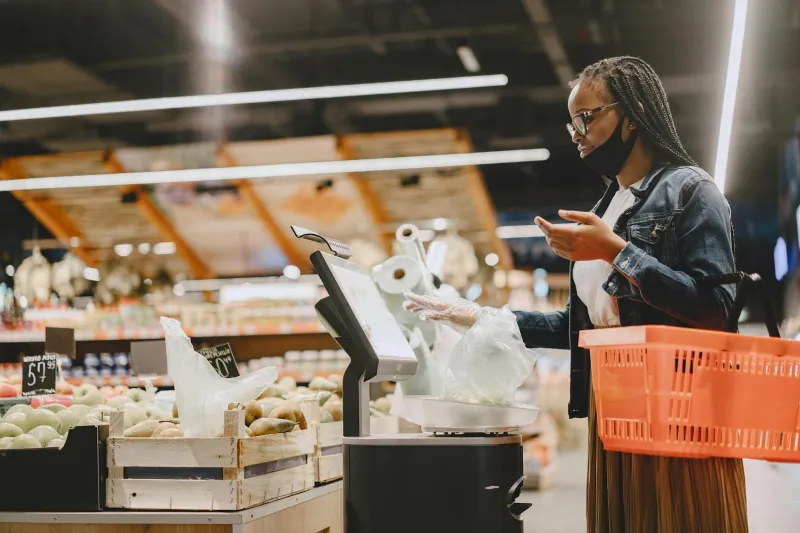
A Full Cart Used to Cost Nothing. Now It Costs Everything.
There's a specific kind of dread that didn't really exist a generation ago. It hits somewhere between the frozen foods aisle and the checkout lane — a quiet, sinking calculation running in the back of your mind as you stack items onto the conveyor belt. Is this going to be bad? It's almost always bad.
The American grocery run used to be a chore. Now it's a financial event.
What the Cart Actually Cost
In 1975, a typical weekly grocery haul for a family of four — ground beef, bread, eggs, milk, canned vegetables, a box of cereal, some fruit — ran somewhere around $35 to $45. That sounds quaint until you adjust for inflation and realize it should translate to roughly $200 in today's dollars. Except it doesn't. That same basket of goods, purchased at a mid-range supermarket in 2024, will run you closer to $320 to $380 depending on where you live.
By the 1990s, the weekly shop had grown slightly more elaborate — more brand variety, more convenience items, the slow rise of the snack aisle — but it still felt manageable. A family could expect to spend around $100 to $130 a week and eat well. In real terms, that's about $220 today. Again, the math doesn't hold.
Something happened between then and now that goes beyond simple inflation. The grocery store itself changed, and it changed in ways designed to make you spend more without quite realizing it.
The Store Was Redesigned Against You
Walk into any major supermarket today and you're navigating a carefully engineered environment. The produce section greets you first — colorful, fresh, psychologically disarming. The essentials (milk, eggs, butter) are buried at the back. The end caps are loaded with items on "sale" that were quietly marked up weeks before. The checkout lane is a gauntlet of impulse buys priced just low enough to seem harmless.
None of this is accidental, and most of it is relatively recent. Supermarkets in the 1960s and '70s were more utilitarian — laid out for efficiency, not psychological manipulation. You went in, found what you needed, and left. The modern grocery store is closer to a casino than a corner market, and the house almost always wins.
Store-brand products used to be the obvious budget option, stacked plainly on lower shelves. Today, even generic labels have been repackaged to feel premium, blurring the line between "saving money" and "still spending a lot of money, just slightly less."
Shrinkflation: The Trick You Didn't See Coming
Here's the part that really stings. It's not just that prices went up. It's that the products quietly got smaller while the prices stayed the same — or went higher.
A bag of chips that weighed 16 ounces in 2010 might weigh 13 ounces today, same bag, same shelf placement, higher price per ounce. A carton of orange juice that used to hold 64 ounces now holds 52. Canned goods that were once a standard 16 ounces have drifted down to 14.5 or 13. This practice — shrinkflation — has been documented across dozens of product categories, and it works precisely because most shoppers aren't weighing packages in the aisle.
The visual experience of a full cart hasn't changed much. The actual value of what's inside has dropped significantly.
The Psychological Weight of the Weekly Shop
In the 1970s, grocery shopping wasn't a source of anxiety for most middle-class American families. It was a routine. Mom (and yes, it was almost always mom) drove to the store, worked through a list, paid without drama, and came home. The transaction was forgettable in the best possible way.
Today, grocery shopping consistently ranks as one of the top sources of financial stress for American households. A 2023 survey found that nearly 80% of Americans reported changing their grocery habits due to cost — buying fewer items, switching brands, skipping meals, or visiting multiple stores to chase sales. That's not a shopping trip. That's a strategy session.
The emotional shift is real. Standing at a register and watching the total climb past $200 for what feels like a modest haul produces a specific kind of helplessness. You didn't buy anything extravagant. You bought food. And somehow it cost a week's worth of anxiety.
What Actually Changed
Several forces converged to turn the grocery store from a mundane errand into a financial pressure point. Supply chain consolidation meant fewer competitors setting prices. Corporate consolidation in the food industry reduced the number of companies actually making what fills those shelves — a fact hidden behind hundreds of seemingly different brand names. The rise of private equity ownership in grocery chains shifted priorities from community anchoring to margin extraction.
And then there's the broader wage story. Grocery prices rising 25 to 30 percent over five years is painful on its own. When wages for working and middle-class families haven't kept proportional pace, the pain compounds.
The Receipt Doesn't Lie
There's a reason so many Americans keep old receipts, or remember specific prices from decades ago with an almost nostalgic precision. A gallon of milk used to be a dollar. Ground beef was 59 cents a pound. These aren't just numbers — they're markers of a time when the grocery store felt like a place that was on your side.
It doesn't feel that way anymore. And the most unsettling part is that the shift happened gradually enough that we almost didn't notice — until one ordinary Tuesday, staring at a total that seemed impossible for what's in the cart, we realized something fundamental had quietly changed.