The Art of Waiting for Someone You'd Never Met
In 1975, thirteen-year-old Susan Miller from Toledo, Ohio, sealed an envelope addressed to Marie Dubois in Lyon, France. The letter contained three pages of careful cursive, a school photo, and weeks of anticipation. Marie would write back two months later, beginning a friendship that would span thirty years, two continents, and hundreds of handwritten pages.
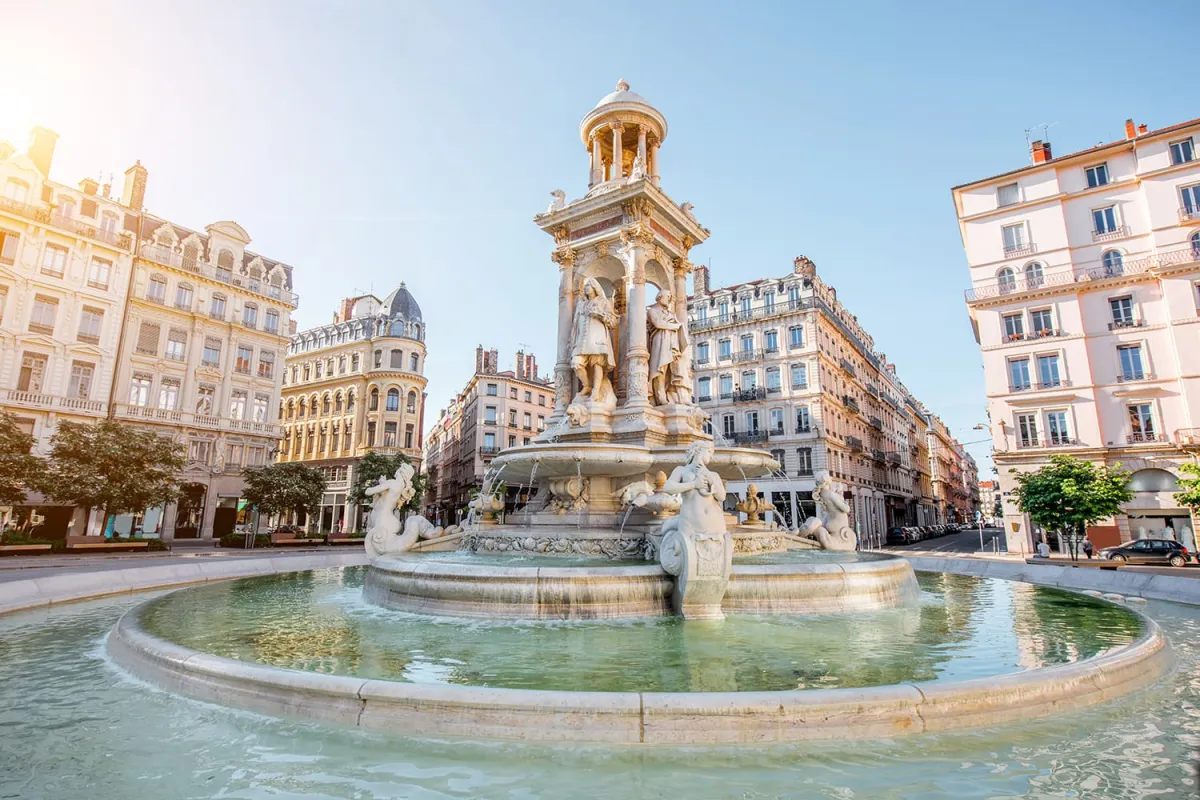 Photo: Lyon, France, via www.roadaffair.com
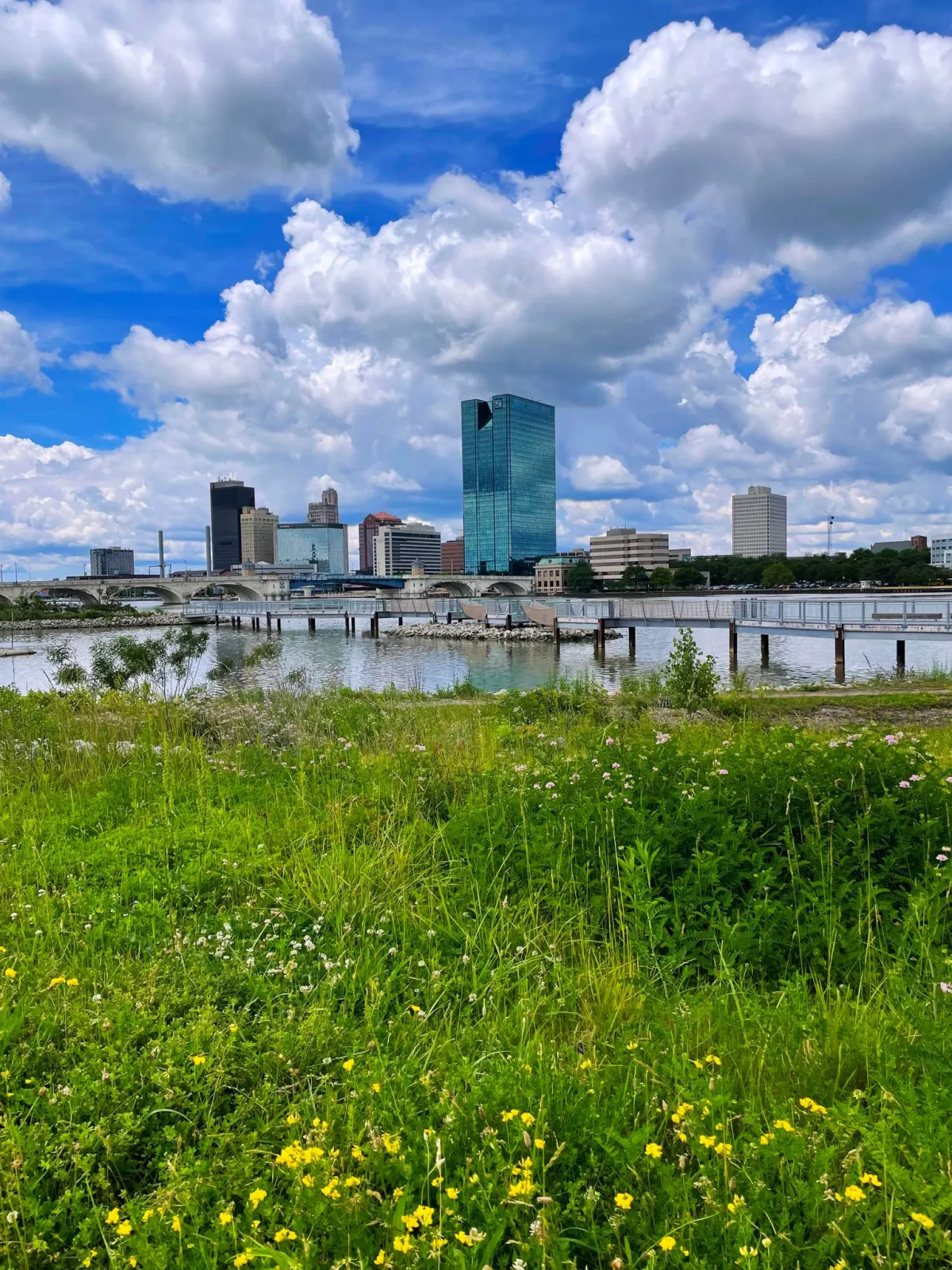 Photo: Toledo, Ohio, via momonthegoinholytoledo.com
This was pen pal culture — and it was everywhere.
From the 1940s through the 1980s, millions of Americans maintained regular correspondence with strangers around the world. Magazines like Pen Pal International and World Pen Friends published page after page of personal ads. "American girl, 16, loves horses and The Beatles, seeks correspondence with European teens." "Retired teacher in Kansas wants to learn about daily life in Japan."
These weren't casual exchanges. Pen pal relationships often lasted decades, surviving marriages, moves, and major life changes. People shared everything: family photos, pressed flowers, local newspapers, even care packages during hard times. Some pen pals eventually met in person, traveling thousands of miles to embrace someone they'd known only through ink and paper.
When Letters Were Events
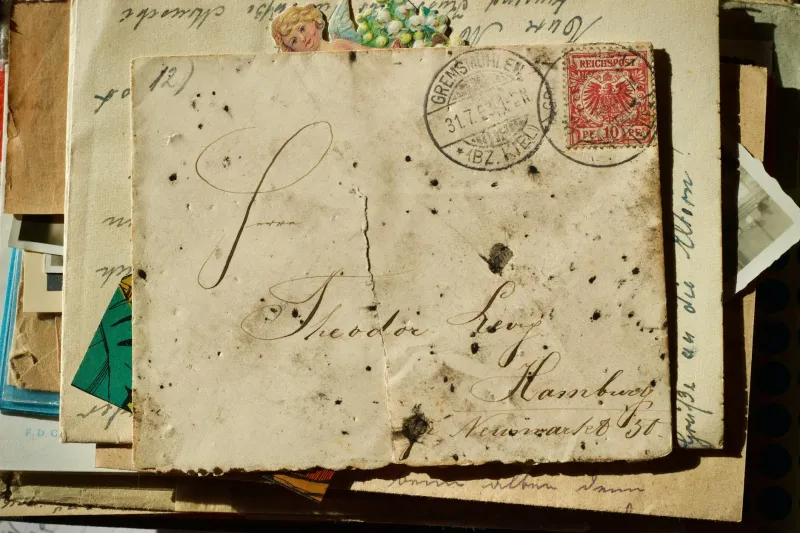
Receiving a letter from a pen pal was an occasion. The envelope, often decorated with foreign stamps, would sit on the kitchen counter until evening when there was time to read it properly. Families gathered to hear news from faraway places. Children learned geography not from textbooks but from descriptions of daily life in places like Reykjavik or Mumbai.
Writing back was equally deliberate. People drafted letters, rewrote them, chose their best stationery. They included local newspaper clippings, photos from school events, pressed leaves from their backyard. Each letter was a small documentary of one person's world, carefully curated and lovingly assembled.
The pace was part of the magic. It took weeks for letters to cross oceans, months for conversations to develop. But this slowness created depth. Without the pressure of immediate response, people wrote longer, thought deeper, shared more honestly. They had to fill pages, so they filled them with details about their daily lives, their hopes, their questions about the wider world.
The Infrastructure of Connection
An entire industry supported pen pal culture. The International Pen Friend Service, founded in 1967, matched over 300,000 people annually. Local libraries maintained pen pal bulletin boards. Schools organized international correspondence programs. The postal service promoted "International Friendship Week" each October.
 Photo: International Pen Friend Service, via www.internationalpenfriends.com
Language barriers weren't obstacles — they were opportunities. Americans studying French found pen pals in Quebec. High school Spanish students connected with families in Mexico. These relationships became living language labs, where grammar lessons turned into cultural exchange and textbook phrases became real conversations about real lives.
Even romance bloomed through letters. Thousands of couples met as pen pals, conducting courtships that lasted years before they ever spoke on the phone or met in person. The divorce rate among pen pal marriages was remarkably low — perhaps because people fell in love with minds and personalities rather than appearances.
When Everything Changed
The internet didn't kill pen pal culture overnight. Email initially seemed like pen pals made faster and cheaper. Early online forums recreated the personal ad format of pen pal magazines. But something fundamental shifted.
Speed killed contemplation. When responses were expected within hours rather than weeks, the careful crafting of letters gave way to quick messages. The scarcity that made letters precious disappeared. Why wait for one special letter when you could exchange dozens of messages with multiple people?
Social media finished what email started. Why write to one stranger when you could broadcast to hundreds of friends? Why wait to learn about life in another country when you could follow Instagram accounts from everywhere? The deliberate mystery of pen pal relationships — knowing someone deeply while never seeing them — felt unnecessary when everyone's life was already on display.
What We Lost in Translation
Today's digital connections are broader but shallower. We follow hundreds of people online but know few of them well. We see constant updates about acquaintances' meals and moods but rarely receive thoughtful letters about their dreams or struggles.
The pen pal era created a different kind of global awareness. Instead of consuming news about distant places, Americans received personal reports from ordinary people living ordinary lives in extraordinary locations. They learned that teenagers in Sweden worried about the same things as teenagers in Seattle, that mothers in Morocco faced similar challenges as mothers in Michigan.
This wasn't cultural tourism or performative diversity. It was genuine human connection across vast distances, maintained through patience, curiosity, and the radical act of caring about someone you might never meet.
The Lost Art of Reaching Out
Pen pal culture taught Americans that strangers could become friends, that distance was no barrier to understanding, that the world was both vast and intimate. It required courage to write to someone unknown, faith to believe they'd write back, and commitment to maintain relationships that demanded time and attention.
These skills — patience, empathy, sustained attention to another person's inner life — seem almost quaint now. We've gained the ability to connect with anyone, anywhere, instantly. But we've lost the inclination to connect with someone, somewhere, slowly.
The last major pen pal magazine ceased publication in 2003. The International Pen Friend Service closed in 2009. The infrastructure of global friendship by mail simply disappeared, replaced by algorithms that connect us to people just like ourselves.
Susan Miller still has every letter Marie Dubois ever sent her — hundreds of them, stored in shoeboxes in her closet. Their friendship continues via email now, but Susan admits it's different. "We used to tell each other everything," she says. "Now we just catch up."
In an age of instant everything, maybe what we need most is the patience to wait for someone worth writing to — and the courage to reach out to someone we don't yet know.